

 admin
adminbefore them.
You may also help yourself to a relative’s groceries without replenishing them. That way you’ll find yourself isolated like an island until you know that relatives are not there to solve your problems because they too have theirs. It is not unusual to find people instructing their children to always tell a certain uncle that they are away on holiday even when they are present.
Some will lock themselves and their children inside their homes to avoid being nagged. And you really can’t blame them. Even at funerals, some people will come shortly before burial and make good their escape immediately after. The same happens at hospitals. There are relatives who come well after visiting time or earlier and vanish before everyone has come.
This they do to avoid being nagged. If you meet certain people, they make sure they demand transport fares, food and cellphone recharge cards.
Some-not-so-considerate relatives will fill your car, leaving no room for your wife or demand your jacket because “uri mwana watete vangu iwewe”.
Rural-based relatives are a particular problem.
They demand your old clothes, cash for transport, food and medication for their grandchildren who are not even close to you.
Such relatives, who in today’s language are called “forenezhi” can demand seed from a sister’s son though their children will also be working elsewhere. Kungodyanana kunoitika pachivanhu.
There are instances when you receive a call from someone and know they are asking for cash or a certain favour even before they say anything.
This Christmas period is notorious for such calls. Instead of being left to enjoy quality time with your family, some people will seemingly be spending sleepless nights plotting how best to wring cash from you.
“Ahh sekuru mati tamborara here? Mwana ari kurwara zvisina akamboona. Manje mari yemishonga ndiyo yaperevedza. Hamukwanise here kungotitseketudzawo tikawana zvatingaitawo nedambudziko riri kuno?” some people will tell you in the dead of the night.
Some will come to your house armed with court orders and all manner of documents just to steal the glitter from your Christmas holiday.
There is something about poverty that strikes me.
There are certain blokes who are always there for you whenever you have problems. Each time you get between a rock and a hard place, they will give you a shoulder to cry on. But do you know that when you leave, they will be talking about you and the rough patches you always travel. Mahwani gumbo rehowa.
Gentle reader, the life we are living nowadays bids us to only commit resources to necessary things and avoid unnecessary problems that require cash to solve.
This life also requires everyone to understand that people who always help us also have their own problems to solve and they actually do not live to help us.
Hapana anoraramira kutakura nhamo yemumwe. The Bible is incomplete. It should have included ‘‘though shall not ask for too much” as one of the commandments. I shall in this installment share an e-mail I received from a dear friend as we draw close to Christmas:
It is that time of the year when many of you travel long distance to the village for the Festive season. One of the most difficult things is to give or be given a lift by a relative, unless you enjoy an extremely comfortable embarrassment-free relationship.
The discomfort makes many of you lie and say “yakazara”; “handisi kuinda kumusha”; “ndiri kuinda kwanaMadam” etc. This is just to avoid having to deal with the discomfort. Much of this discomfort would be reduced if we followed basic rules of etiquette.
I suggest the following Rules:
l Do not offer “kudira” fuel unless you really mean it. Any driver will know from the sound of your voice when you do not mean it. Pretending to read my newspaper at the fuel station is just not funny. If you really mean it, just bring some coupons.
l Do not call me ONLY just before a major holiday and talk aimless and end the conversation with the question “munoinda kumusha here”? If you do not know the names of my children, you probably should not be asking for a lift.
l If I give you the lift, please buy your own beer. The cooler box is for me and my family. Again do not expect me to buy you food. I have a family to feed. Use that money you are saving!
l Do not complain about my driving, speed or lack of it. I married someone precisely to do that!
l No smoking. This applies whether it’s done inside or outside the car. Madison is not a good perfume.
l When the police stop us, please shut up! You are not the driver.
l Use the seat belt. It is there for a purpose. If it makes you uncomfortable, you should really take Musasiwa. They do not have seat belts on their buses.
l Do not throw out rubbish through the window. Neither should you throw it on the floor.
l Please do not relieve yourself on my car wheels. Firstly, my family does not need to see you. Secondly, I will have to change the wheels at some point. It is enough having to deal with dog urine on the wheels!
l If you have a weak bladder please do not drink! Do not compete with the police in stopping me!
l We will leave at the time that I have set. If you are not there by that time, I will not come and look for you at your house, nyangwe muri Sekuru!
l On the way, it is good to chat. But please know what to talk about. My kids do not need to hear you say, “mbuya venyu vakaroiwa naMai Nzviru, nokuti vairima rukweza zvakaoma!”
l When you turn up for the lift, please do not bring additional passengers like your wife and children and say, “tsano, ambuya venyu nerudhende varamba kusara”!
l Do not bring excess luggage. I may have a pick-up but it is not a hired container. You do not decide to carry all the scrap rubbish to the Village simply because I have given you a lift. The same rule applies on return. Do not bring sacks of maize simply because my car is now “empty”.
l “Kuenda humbangu, kudzoka humbangu” does not apply. Do not expect me to take you back simply because ‘takauya tose’! We must have an express agreement on this. Number 13 applies again!
Have a Merry Christmas, and a prosperous 2012.


Online Reporter
- Herald
- September 22, 2026
- 6 views
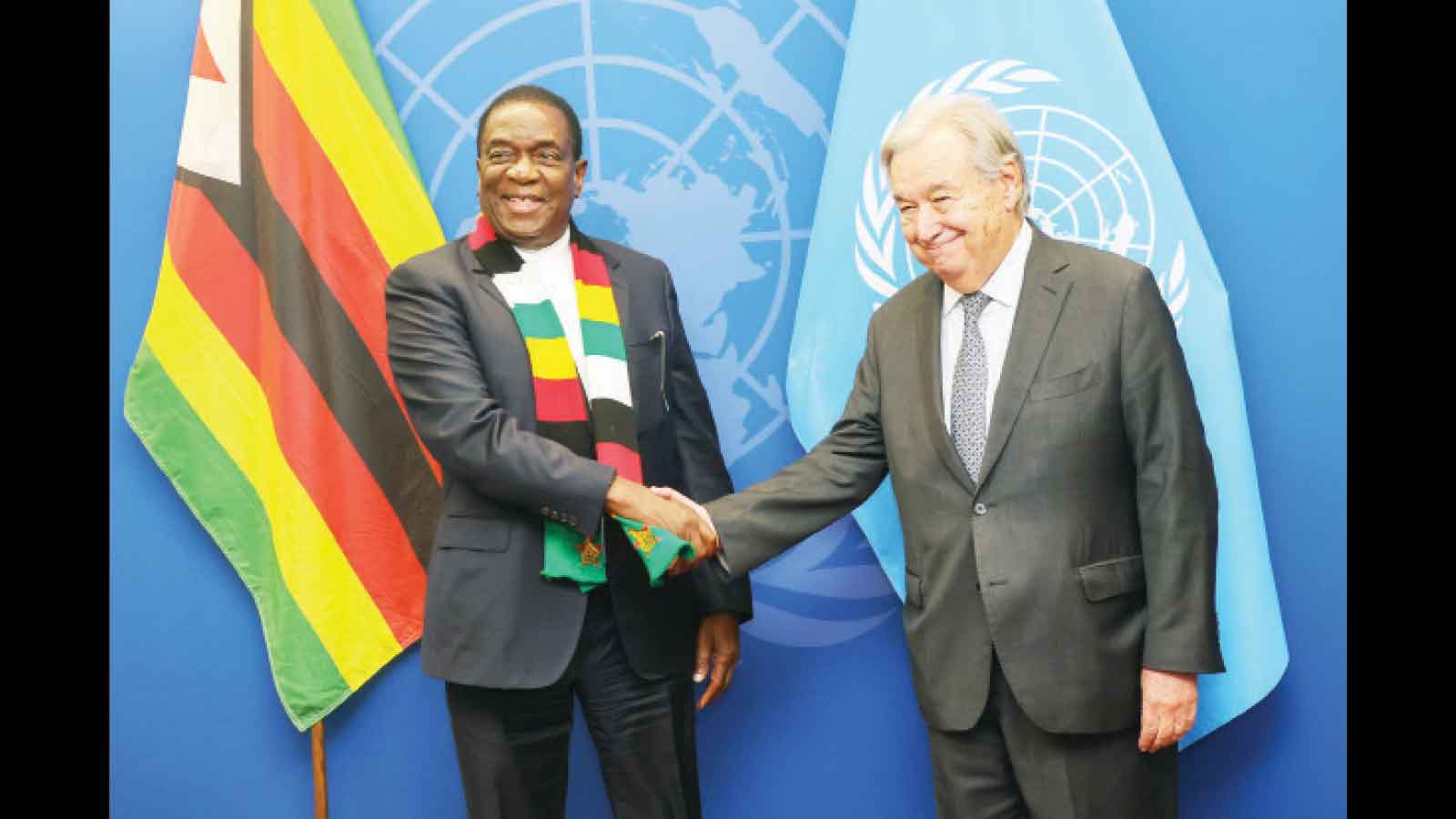
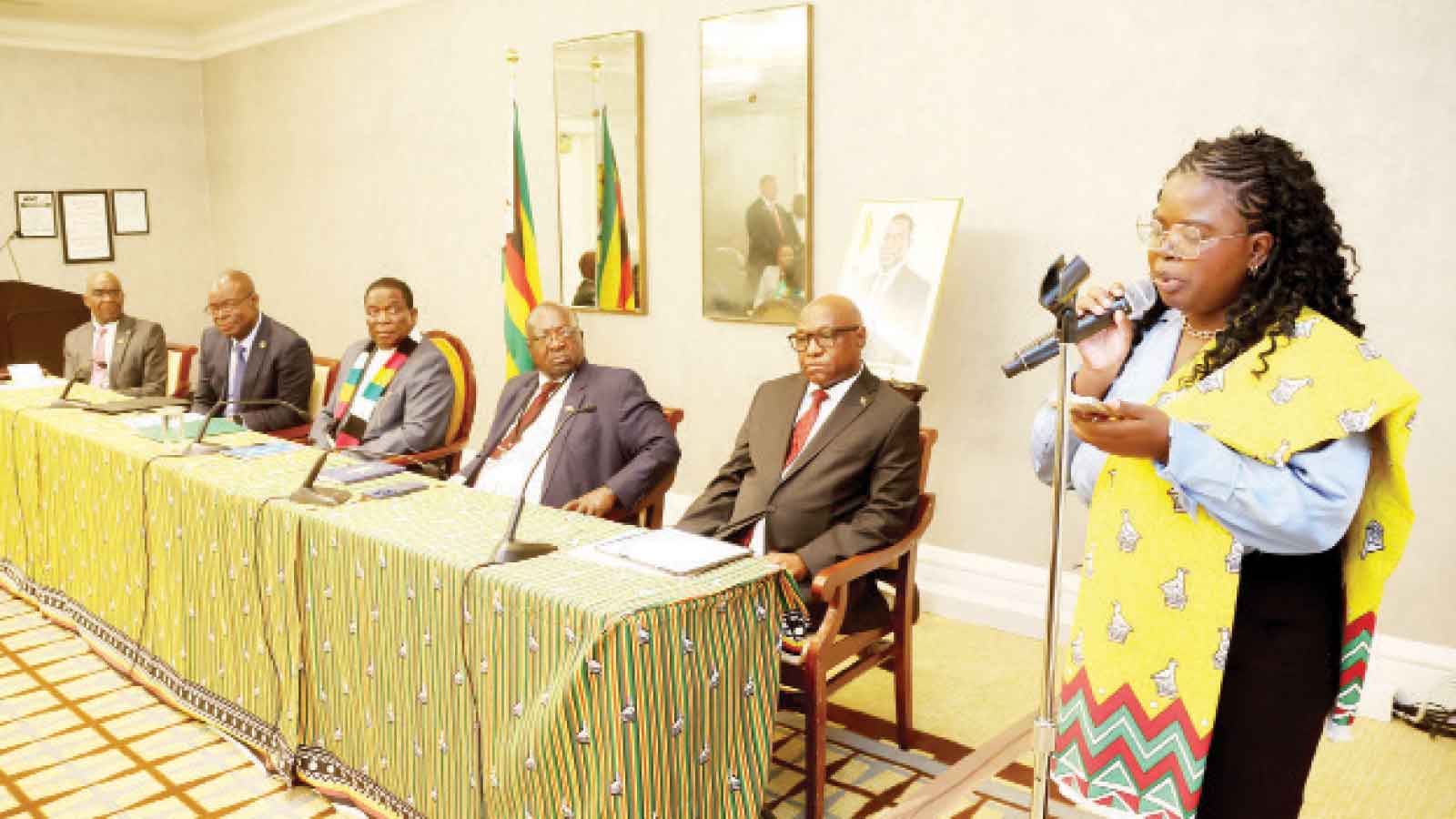
Harness Diaspora capital for Zim good: President . . . holds massive interface in New York
Wallace Ruzvidzo in New York, USA BORDERS must never become barriers to the flow of global knowledge, expertise and best practices back to Zimbabwe, President Mnangagwa has said, urging the…
 dyton mupawaenda