admin
admin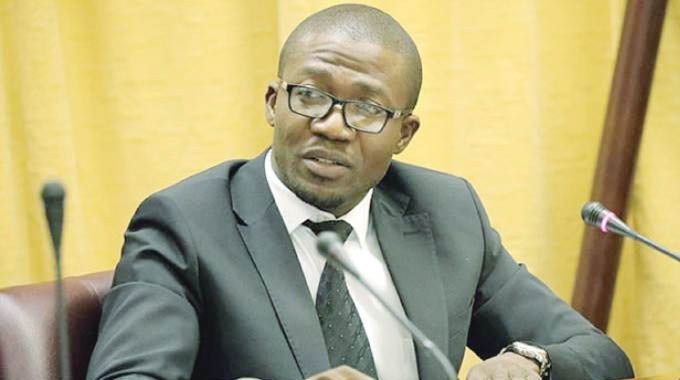
Nqobile Tshili, Chronicle Reporter
Africa should be allowed to benefit from its natural resources as it is also playing its part to mitigate the adverse effects of climate change, Environment, Tourism and Hospitality Industry Minister Cde Nqobizitha Mangaliso Ndlovu has said.
Cde Ndlovu said this on Monday during a BBC HardTalk interview with Stephen Sackur on impact of climate change on the country and its wildlife.
The Minister said forcing Africa to adopt fast track climate change friendly policies could stifle the continent’s industrial growth yet global giants are not as swift to implement the changes themselves. “We are planning to bring more solar farms. For coal we will not move at a faster pace because we still believe our emissions are very insignificant compared to developed nations. You will agree with me that the major emitters have moved slowly out of that because they know that it’s benefiting their economies. I think we need to also give Africa a chance. I think Africa can still benefit from its resources,” said Cde Ndlovu.
He said to address climate change related problems, the country has come up with an ambitious strategy to plant 20 million trees next year.
Cde Ndlovu said Government will respect the Convention on International Trade in Endangered Species of Wild Fauna and Flora (CITES) decisions in selling its wildlife.
This comes following Western outrage over the country’s sale of 200 young elephants to China.
Animal activists have paid more attention to the welfare of animals, ignoring their impact on people and the environment.
Speaking during the same programme, ZimParks spokesperson Mr Tinashe Farawo said the elephant population at Hwange National Park has tripled contributing to an increase in human-animal conflicts.
“So far we have lost at least 33 lives from January due human-animal conflicts through the country. More than 50 percent of the cases involve elephants. At some point we were chased away from a funeral, we attended a funeral where a teacher in the eastern parts of the country was killed by an elephant,” he said.
“The ecological carrying capacity of this park Hwange National Park is 15 000 but we are talking of 45 000 to 53 000 elephants. That’s not a small number we have more than doubled the number.”
Mr Farawo said while some animal activists were making noise over the sale of young elephants, animals were dying at the national parks due to drought.
“I think the situation is very desperate, it’s dire because if you look at the distance that animals are travelling in search of water it is too much for them. Also, if you look at the animals that are succumbing to starvation, they are dying within 100 to 50 metres from the water source. We are not only having water challenges, there is no food. I can give you the data that we have collected between September and October we have lost at least 200 elephants to starvation,” he said.
Mr Farawo said instead of being emotional on the elephants subject, activists should be realistic about the situation on the ground.
He said US$3 million that was obtained from selling young elephants has been channelled towards conservancy and anti-poaching programmes.
“From 2012 to 2016 we got over US$3 million. The breakdown we have used about US$150 000 for training dogs for our anti-poaching units, we have also bought some vehicles for the patrols that we do for anti-poaching. Primarily we have put more money into anti-poaching,” he said.
“The same noise that they were making when we took five to 10 young elephants, they should also make the same noise that climate change is real, trees are destroyed, vegetation is lost. Those are the issues not 10 young elephants in Hwange it’s a drop in the ocean they won’t be felt, even if you take thousands because they are just too many.” — @nqotshili



 Online Reporter