Online Reporter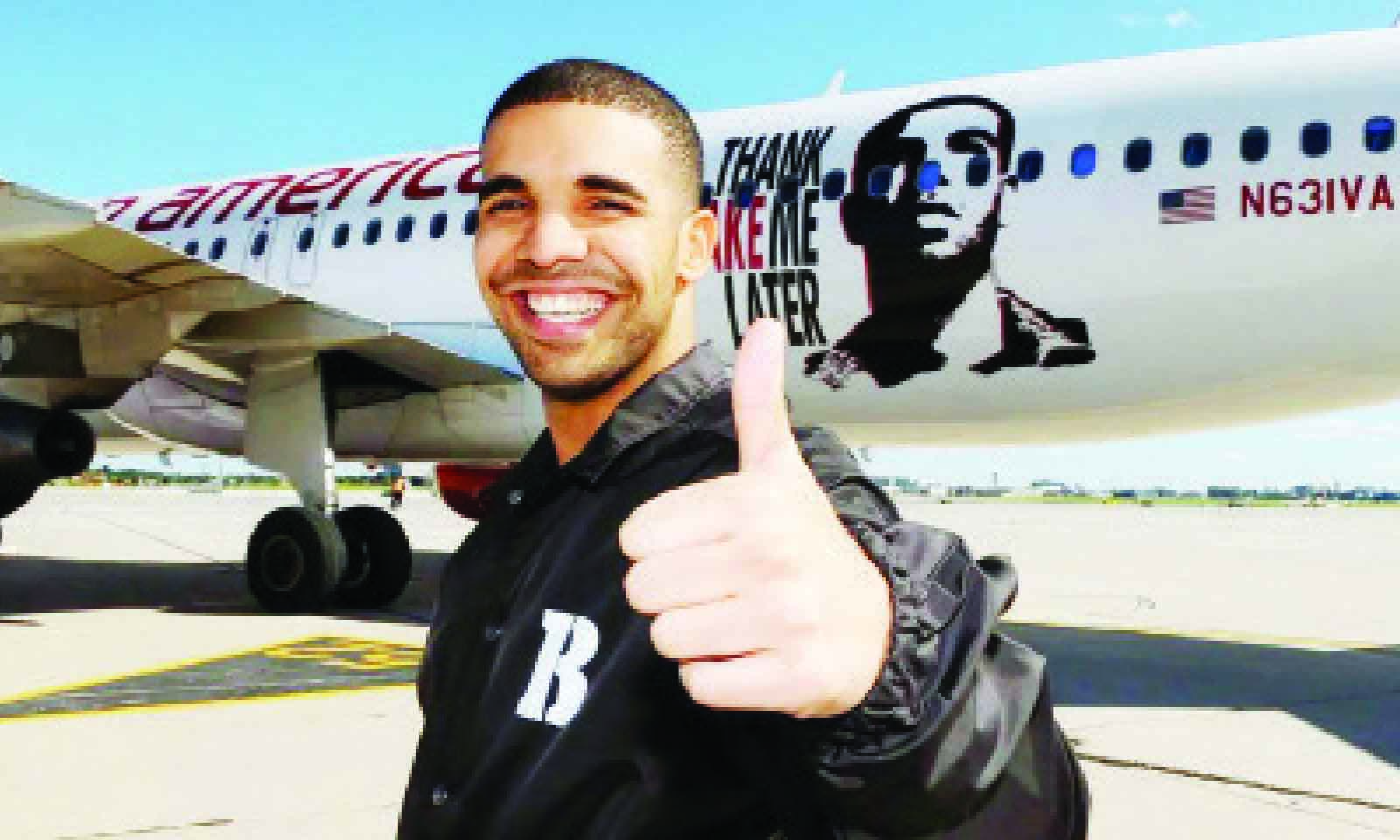
SYDNEY. − “Gimme a hug, Gimme a hug!,” pleads Drake on one track from his new album, $ome $exy $ongs 4 U.
After the month and year he’s had, perhaps it’s no surprise.
As rap battle humiliations go, the rapper’s defeat by hip-hop’s lyrical supremo Kendrick Lamar has become a cultural phenomenon, and saw Drake sue Universal Music Group.
Lamar’s diss track, Not Like Us, a viral hit since last summer, accuses the Canadian star of inappropriate relationships with underage girls − claims Drake denies.
First the track swept up at the Grammys, with Taylor Swift and Beyoncé dancing along. Then came Lamar’s Super Bowl half-time show, with a record 133.5 million people estimated to have tuned in to watch the whole stadium sing the lyrics accusing Drake of being a paedophile.
And on Friday the single finally topped the UK charts nine months after release, matching its stateside success.
But rather than lay low, Drake, the dominant chart-topper of the past 15 years, is coming out fighting with an “intriguing” strategy after being put in a “cultural chokehold”, says crisis PR expert Mark Borkowski.
As Lamar grins through the bright lights of his victory lap, Drake’s chosen to sidestep the beef − bar one embittered freestyle denouncing fake friends − and instead focused on repositioning himself.
Currently on tour in Australia, he’s been loosening up, gently leaning into the softer image he’s spent recent years trying to toughen, even performing an intimate karaoke bar set of early sultry hits. Then on Valentine’s Day, almost a week after the Super Bowl, he returned with $ome $exy $ongs 4 U, a full-length collaboration with PartyNextDoor that harks back to his R&B-tinged rise.
Full of trap-soul beats teasing romantic escapades, Borkowski calls it a “calculated retreat into the familiar, comfortable territory” of the more sensitive “certified lover boy” persona that dominated Drake’s initial breakthrough albums like Thank Me Later and 2011’s Take Care.
In the 2010s, Drake was the most-listened to Spotify artist, racking up more than 28 billion streams, with his most popular song, One Dance, played 1.7 billion times alone.
Even if Not Like Us saw the crown slip, he remained the fourth most-streamed artist on the platform last year.
“His reputation might be in tatters within certain circles, but commercially, he remains bulletproof,” says Borkowski. It helps that Drake harnessed mass appeal by sampling a myriad of genres in his pomp of pop-rap dominance.
His catalogue − boasting 45 UK top 10 singles, (including six number ones), and over 300 hits in the US Hot 100 − inhaled fumes of grime, dancehall and afrobeat.
The camouflage from his status as a commercial chameleon means that “despite the clear L and Not Like Us becoming a defining moment in rap history, Drake keeps moving”, says Borkowski.
On $ome $exy $ongs 4 U’s track Gimme A Hug, Drake seems to wave the white flag in his Kendrick battle saying: “F**k a rap beef, I’m tryna get the party lit.”
It’s worked, too, at least commercially. According to Billboard, Apple Music confirmed $ome $exy $ongs 4 U’s release broke first-day R&B streaming records on the platform.
In Friday’s official UK charts, the album came in at number three.
Three of its songs also made up the top 40 − including Gimme A Hug. − BBC