


 Chronicle Editor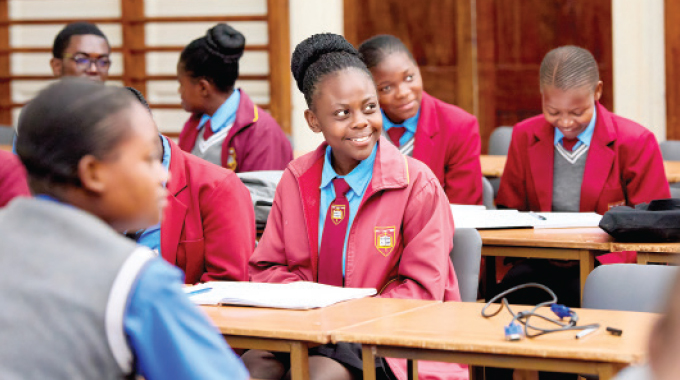
Sunday News Correspondent
IN a world facing complex global challenges, nurturing a generation of digitally savvy, informed and engaged citizens has become more critical than ever.
The recently concluded Global Citizenship Education Project (GCED Project) in Bulawayo has taken a significant stride in this direction, empowering teachers to better integrate GCED and low-cost technologies and learners to become active participants in shaping a more just and sustainable future.
This collaborative initiative was spearheaded by Jobert Ngwenya, an educator and recent graduate with a Master of Arts (Education) from the University of Oulu, Finland.
The project was made possible by the Global Teacher Grant sponsored by the US Department of State’s Bureau of Educational and Cultural Affairs (ECA), with funding provided by the US government and administered by the International Research and Exchanges Board (Irex).
The project brought together humanities/social studies high school educators from schools across the Bulawayo Central District who received comprehensive training on integrating Global Citizenship Education (GCED) and low-cost technologies into their practice.
The training equipped them with the knowledge and resources to address critical issues like human rights, environmental sustainability and digital citizenship within their classrooms.
“The project aimed at equipping teachers with the necessary skills and confidence to integrate GCED into their teaching practice,” explained Ngwenya.
“This approach empowers learners to develop critical thinking skills, empathy and a sense of responsibility towards global issues.” Facilitators for the series of workshops included educationists, Tam Le Hong from Vietnam and Maimbolwa Namuchana from Zambia.
The project culminated in a highly anticipated Student Symposium, held on 12 June 2024 at Eveline High School.
The event provided a platform for learners to showcase the projects they had diligently worked on throughout the programme.
The symposium buzzed with creativity and intellectual energy as learners presented their diverse projects, a testament to their new-found understanding of global issues.
Project presentations incorporated a variety of mediums, reflecting the learners’ ingenuity and diverse learning styles. From thought-provoking write-ups and talk shows, the learners’ work showcased their ability to connect classroom learning to real-world issues.
The projects presented at the symposium offered a glimpse into the future, a future where young minds are actively engaged in shaping a better world. One group of learners, for example, used their artistic talents to create an audio-visual presentation highlighting the impact of climate change.
Another group presented a meticulously researched paper exploring the connection between yester-year leaders and their influence in the 21st century. These projects demonstrated the learners’ ability to not only understand complex historical issues but also relate them to contemporary times.
The GCED Project extended beyond the classroom, fostering a sense of community and collaboration among learners. The symposium provided a platform for learners from different schools to connect, share their perspectives on global issues and learn from each other’s experiences.
This exchange of ideas is crucial for developing a global mindset and growing a sense of shared responsibility for the future of the planet. The side workshop on digital citizenship conducted by Tam Le Hong and one on podcasting facilitated by Nigel Ndlovu were an icing on the cake in support of the skills for the future of work.
The success of the GCED Project lies not just in the exceptional learner presentations but also in the enthusiasm and commitment displayed by the participating teachers.
The project has equipped them with valuable resources and strategies to continue integrating GCED and low-cost digital technologies into their curriculum, but also to be able to implement the new, heritage-based school-based assessment protocol ensuring a lasting impact on future generations of learners.
The project organisers are optimistic that the GCED Project will catalyse change within the educational landscape of Bulawayo.
They are actively exploring avenues to expand the programme, reaching more schools and teachers across the city and the region.
“We believe that by equipping learners with the knowledge and skills to become responsible global citizens, we can create a brighter future for all,” said Thabani Moyo, the project technical lead.
The GCED Project serves as a powerful example of how education can empower young minds to become agents of positive change, not just in their communities but on a global scale.
As these young citizens embark on their journeys, their voices and actions hold the potential to shape a more just, sustainable and equitable world for all.


 Online Reporter