

 Online Reporter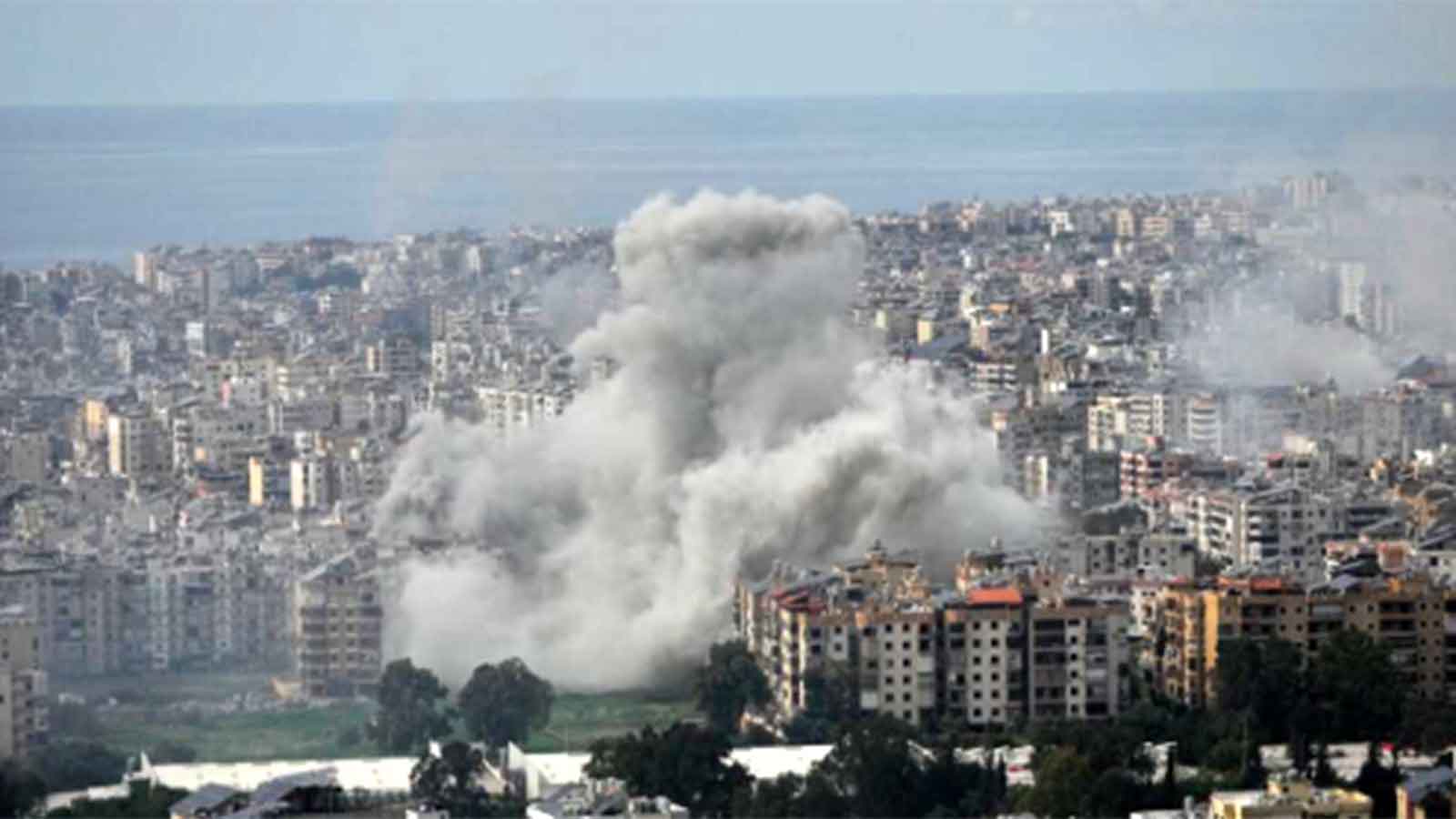
Tichaona Zindoga
Correspondent
THE current truce in the Middle East, after the US and Iran agreed on a ceasefire a fortnight ago, should be a moment for reflection.
The US/Israeli war on Iran has been one of the world’s most perilous moments, dramatised by American President Donald Trump threats of killing an “entire civilisation” in one night – which thankfully did not happen.
However, the around the globe, including countries such as Zimbabwe, people are feeling the impacts of the war with ripple effects in the increase in price of oil, logistics and ultimately felt on people’s dinner tables.
The pause in hostilities is instructive and should inspire the world to reflect on the effects of the breakdown and disfigurement of the international rules-based order and its dire consequences for world peace and security.
The United Nations, formed 80 years ago at the end of the Second World War, has been left shaken to its very foundations and rendered irrelevant and powerless.
A new global architecture or at the very least, a revisit of both the philosophy and framework for global peace and security. Could the Global Security Initiative proposed by China in 2022 offer a panacea?
In launching the concept four years ago, China said: “We are convinced that the historical trends of peace, development and win-win cooperation are unstoppable. Upholding world peace and security and promoting global development and prosperity should be the common pursuit of all countries.”
President Xi Jinping proposed the initiative, calling on countries to adapt to the profoundly changing international landscape in the spirit of solidarity, and address the complex and intertwined security challenges with a win-win mindset.
The GSI aims to eliminate the root causes of international conflicts, improve global security governance, encourage joint international efforts to bring more stability and certainty to a volatile and changing era, and promote durable peace and development in the world.
It is anchored on six core concepts and principles namely, common/sustainable security, respect for sovereignty, adherence to the UN Charter, addressing legitimate security concerns, peaceful resolution through dialogue, and balancing traditional/non-traditional security.
The GSI doesn’t seek to replace the UN, but acknowledges that the purposes and principles of the UN Charter embody the deep reflection by people around the world on the bitter lessons of the two world wars.
It is China’s contention that the “various confrontations and injustices in the world today did not occur because the purposes and principles of the UN Charter are outdated, but because they are not effectively maintained and implemented.”
Some key philosophies in the GSI include a new vision for “common, comprehensive, cooperative and sustainable security, which has been widely recognized and supported by the international community”.
The essence of this vision of security is to advocate a concept of common security, respecting and safeguarding the security of every country; a holistic approach, maintaining security in both traditional and non-traditional domains and enhancing security governance in a coordinated way; a commitment to cooperation, bringing about security through political dialogue and peaceful negotiation; and pursuit of sustainable security, resolving conflicts through development and eliminating the breeding ground for insecurity.
According to China, security will only be firmly established and sustainable “when it is underpinned by morality, justice and the right ideas.” Therefore, the GSI calls on all countries to practice true multilateralism; firmly uphold the international system with the UN at its core, the international order underpinned by international law and the basic norms of international relations underpinned by the UN Charter; and uphold the authority of the UN and its status as the main platform for global security governance.
The GSI decries the Cold War mentality, unilateralism, bloc confrontation and hegemonism, which contradict the spirit of the UN Charter and must be resisted and rejected.
Another key principle, the legitimate security concerns of all countries must be taken seriously, is especially relevant to the current situation in the Middle East. The GSI warns that, “Security of one country should not come at the expense of that of others.” Demonstrably, the unilateral pursuit of Israel’s security, sometimes advanced at all costs and in obvious and shameless disregard to the concerns of other countries, has unravelled spectacularly, as it led to the spread of the war across the region to previously peaceful and secure countries such as United Arab Emirates, Qatar, Bahrain and Kuwait.
China, through the GSI, calls on countries to strengthen strategic communication, enhance mutual security confidence, diffuse tensions, manage differences and eliminate the root causes of crises.
Critically, according to the GSI, major countries (such as the US) must uphold justice, fulfill their due responsibilities, support consultation on an equal footing, and facilitate talks for peace, play good offices and mediate in light of the needs and will of the countries concerned.
As we have seen, the US has acted in a wholly opposite way. It accounts for the situation we are in.
What is to be done?
It is not surprising that the current truce in the Middle East is being largely seen as a brief interlude, without the full promise of resolving matters once and for all. Already, the US and Israel have proved that they do not have a commitment to lasting peace. Meanwhile, conflicts elsewhere from Europe to Africa have not been fully resolved.
Unless the fundamentals are set correctly, the trend of conflicts and unresolved differences will continue to fester until, God forbid, every part of the world is engulfed in permanent war. It is crucial therefore that all countries of the world should pause and reflect about the direction and trajectory of the world.
As a solution, the GSI offers a comprehensive framework that should now be actively touted for consideration and adoption. China has recognised the imperative for humanity to achieve lasting world peace, so that all countries can enjoy a peaceful and stable external environment and their people can live a happy life with their rights fully guaranteed.
Tichaona Zindoga is a commentator on global and local affairs director of Ruzivo Media & Resource Centre



