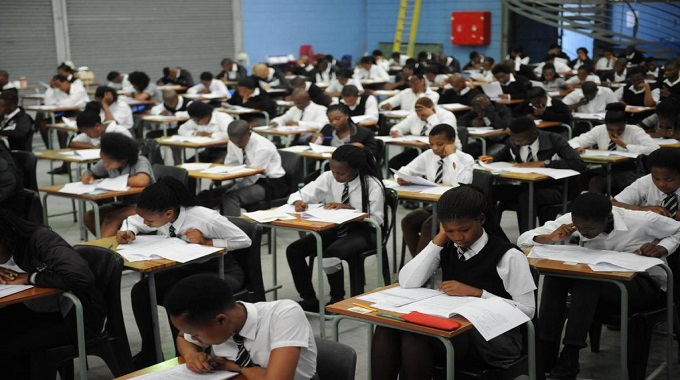
AS the Grade 7 examinations come to an end, thousands of learners across the country are now waiting anxiously for their results. For many, this waiting period brings excitement, uncertainty and questions about the next step in their educational journey.
At the same time, Form 4 and Form 6 learners have started writing their final examinations, marking an important transition in their academic lives. This examination season should not only be a period of writing papers and waiting for results, but also a time for reflection, planning and making informed decisions about the future.
The world of the 21st century is changing rapidly. Education is no longer only about academic qualifications, it is also about developing practical skills, creativity, innovation and the ability to solve real-life problems.
Learners must begin to understand that success comes in different forms. While academic excellence remains important, practical skills are equally valuable in preparing young people for the world of work and entrepreneurship.
As learners wait for their results, they should reflect on their strengths, talents and interests. They should ask themselves important questions: What am I passionate about? What skills do I want to develop? What opportunities exist beyond the traditional classroom?
The future belongs to individuals who can combine knowledge with practical abilities. Skills such as information technology, agriculture, entrepreneurship, design, construction, fashion and beauty, hospitality, motor mechanics, welding, carpentry, digital skills and other vocational areas are becoming increasingly important in today’s economy.
Parents have a critical role to play
Parents should use this period wisely by guiding their children towards suitable career pathways. Results are important, but they should not be the only measure of a child’s potential. Every child has unique abilities, talents and gifts that need to be identified and developed.
For learners who may struggle academically, parents should not lose hope or view them as failures. Instead, they should help them discover practical areas where they can excel. The practical world requires different abilities, and many successful entrepreneurs and professionals have built their careers through skills, creativity and determination.
A child who may not perform well in traditional academic subjects can still become successful through skills development, technical training and entrepreneurship. What matters is finding the right pathway and providing the necessary support.
Parents, schools and communities must work together to expose learners to different career options. Career guidance should not only focus on doctors, lawyers, engineers and other professions that require university degrees. Young people should also be introduced to careers and opportunities in the technical and vocational sectors.
Education must prepare learners for life
Schools have a responsibility to produce learners who are not only examination-ready but also life-ready. The purpose of education is to empower young people with knowledge, confidence, values and skills that enable them to contribute positively to society.
As Zimbabwe moves towards industrialisation and economic transformation, practical skills will play a major role in creating employment opportunities and promoting self-reliance. Learners should be encouraged to see skills as a pathway to success, not as a second option.
This examination season should therefore be a moment of reflection. For Grade 7 learners waiting for results, it is a time to dream, explore and prepare for the next chapter. For Form 4 and Form 6 learners, it is a time to think beyond examinations and consider how their education will translate into meaningful careers and contributions to society.
The message is simple: Go practical, develop skills and prepare for the future.
Success in the 21st century will belong to those who can think, create, adapt and apply their knowledge to solve problems.
Dr Manners Msongelwa is an author, educator and youth coach. He can be contacted on +263 771 019 392