Online Reporter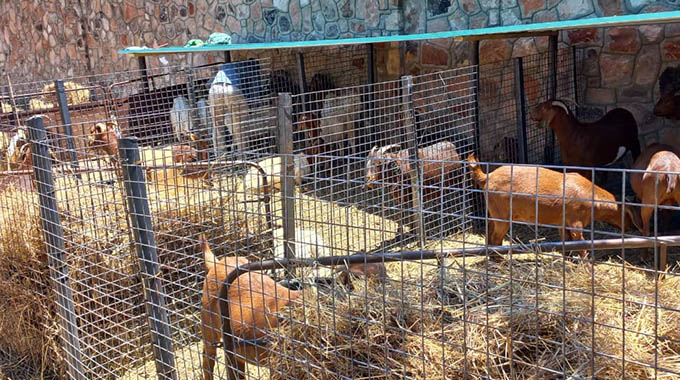
Judith Phiri, Zimpapers Writer
GOAT breeders in the country have been called upon to adopt sustainable practices to mitigate the environmental impact of goat farming and improve long-term viability.
While goats are resilient animals that offer many benefits, poorly managed herds can contribute to overgrazing, desertification, and soil erosion.
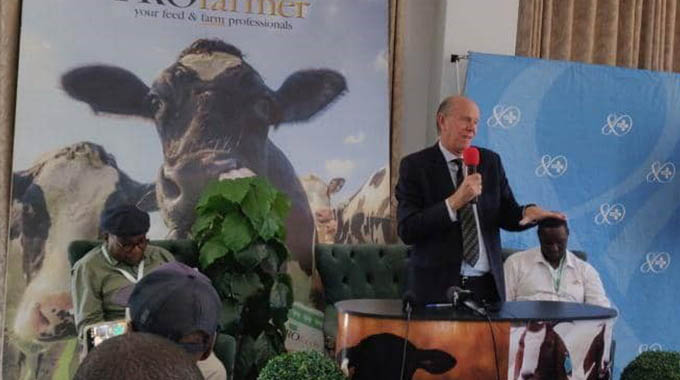
Speaking at the Goat Indaba in Bulawayo on Friday, Bulawayo Mayor, Councillor David Coltart said facts show that when goats are subjected to overgrazing, they do dig up roots and they are particularly effective in digging up roots.
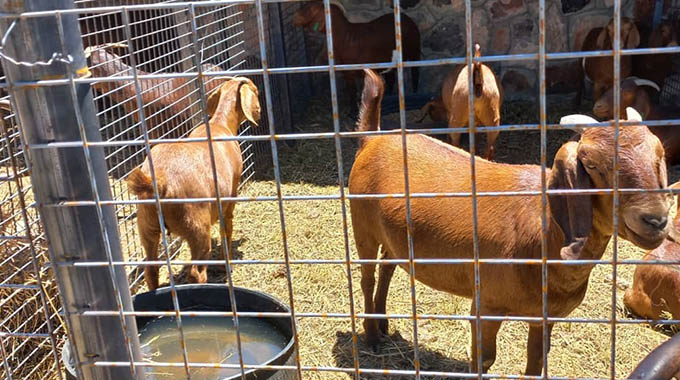
“Your association (Goat Breeders Association of Zimbabwe) has a major role to play in my view, in ensuring that there are environmentally sustainable practices associated with goat breeding. If goat breeding becomes the same as gold panning, in other words, a short-term economic activity, it is not going to be sustainable in the medium and long term.”
He said the city was faced with devastating consequences of short-term approaches to production and the creation of wealth, primarily through gold panning.
The mayor said one of the city’s major dams was sitting at eight percent after an outstanding rainy season last year, while virtually most of the dams were well below 50 percent.
“Now, the fundamental reason for that is because of the devastation of our catchment areas, the devastation of our river systems, primarily by gold panning.
I regret to say that overgrazing, which is exacerbated by goats, which are having to now graze not browse in those circumstances, is contributing to the desertification of our catchment areas. I leave you with a plea as mayor, because that’s my primary responsibility, to provide water to the 800 000 residents of this city, that there needs to be that balance,” he added.
He encouraged goat breeders to look for sustainable ways of breeding and taking up options such as supplementing feed that were environmentally friendly.
The mayor said there was enormous potential for goat breeding, particularly for people in communal areas, while it provided an opportunity for people to transform their lives.
“It needs education and support, but I have a fervent belief that it is one of the aspects of our economy that stands a huge opportunity in totally transforming the lives of people, particularly in communal areas, and particularly in the drier parts of our nation.”
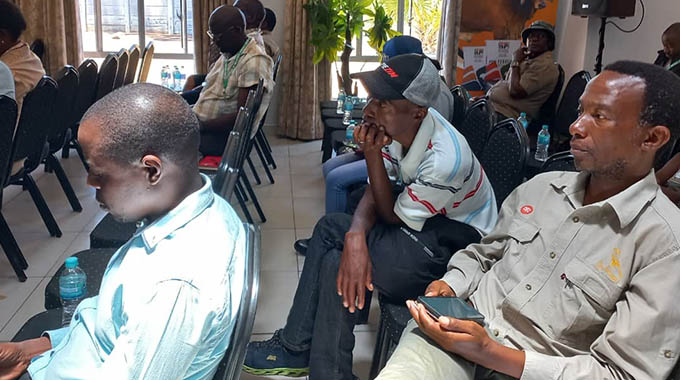
The Goat Indaba was organised by the Goat Breeders Association of Zimbabwe, under the theme “Preserving Our Indigenous Goats: Understanding the Matabele and Mashona Breed Standards.”
The event brought together goat breeders to discuss ways to commercialise goat farming, equip farmers with business skills, and prepare them for export markets with support from ZimTrade.