Talking farming, Sifiso Ndlovu Agbetorwoka
ONE of the most common questions I receive from goat farmers is a simple one: “When is the best time to give my goats supplementary feed — in the morning before grazing, or in the evening when they return?”
This question recently came up in a discussion among goat farmers, and the different responses highlighted an important principle of goat nutrition.
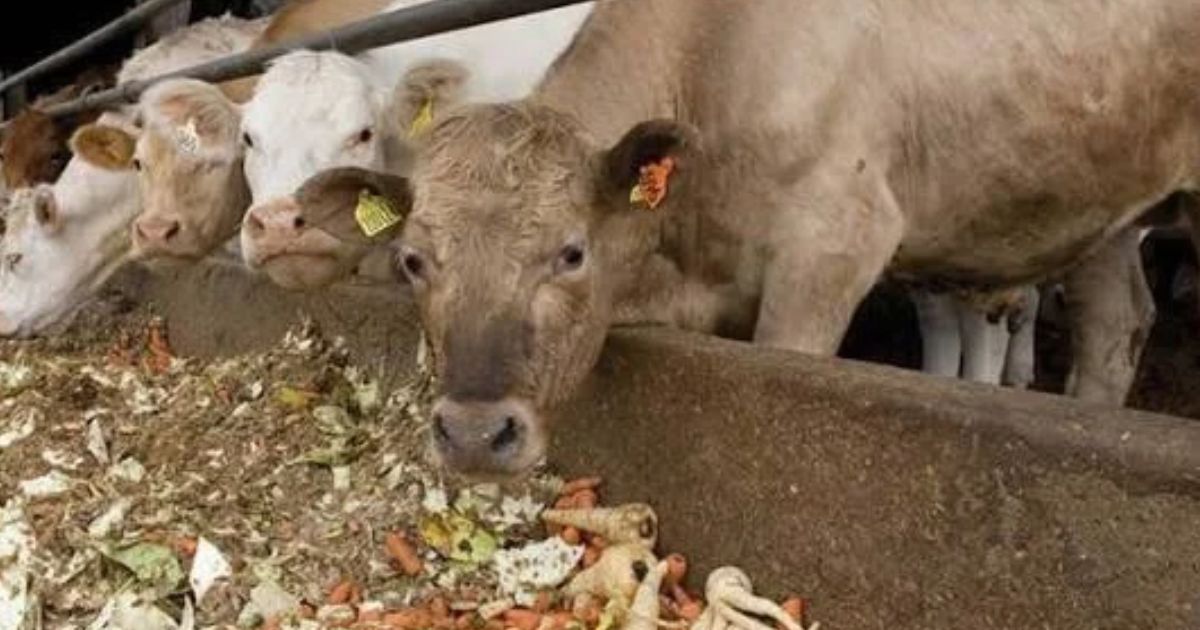
There is no single feeding time that will be perfect for every farm. However, where goats are being managed under a grazing system and the feed is genuinely supplementary, there are several good reasons why evening supplementation can work particularly well.
Let the goat graze first
The first principle is contained in the word “supplementary.”
If goats are being sent out to graze during the day, their grazing is still an important part of their daily diet. The supplementary feed should complement what they obtain from pasture, browse and veld vegetation.
Giving a substantial amount of supplementary feed before releasing goats can sometimes reduce their motivation to graze, particularly where the feed is highly palatable.
A farmer in our discussion made an interesting observation: if goats know that there is no more supplementary feed coming in the morning, they may be more inclined to make full use of the grazing available to them.
This does not mean that goats should be deliberately starved before grazing. It simply means that supplementation should be managed in a way that encourages normal grazing and browsing behaviour.
Why many farmers prefer evening feeding
There are several practical advantages to giving supplementary feed in the late afternoon or early evening.
Firstly, the goats have already spent much of the day grazing and browsing. The supplementary feed can therefore help make up nutritional gaps in the day’s intake.
Secondly, evening feeding can become an excellent management tool.
Goats are creatures of habit. If they learn that supplementary feed is provided at a particular place and time, they quickly associate that routine with returning to the kraal.
This can be particularly useful when introducing new goats into an existing herd. Instead of chasing goats around the veld every afternoon, the farmer can establish a routine:
“Come home — enter the kraal – receive supplementary feed.”
With consistency, the goats can begin returning voluntarily.
This also makes it easier for the farmer to conduct the evening headcount and identify animals that are missing, sick, injured or behaving abnormally.
What about water?
Another important point raised in the discussion was water.
Many supplementary feeds, particularly dry feeds, increase the animal’s need for water. This is especially important during the dry season when the veld is dry and goats may already be consuming a diet with relatively low moisture content.
Farmers must therefore ensure that goats have unrestricted access to clean, good-quality drinking water.
A goat receiving supplementary feed but struggling to access sufficient water is not being properly supplemented.
Water is not an optional extra. It is part of the feeding programme.
But there are exceptions
Evening feeding is not a universal rule.
There are situations where farmers may need to supplement at other times.
For example, heavily pregnant does, lactating does, very young kids, thin animals, sick or
recovering goats and animals under particularly high nutritional demand may require a more carefully structured feeding programme.
During severe drought, grazing may also no longer provide enough nutrients to sustain the herd. At that stage, supplementary feeding becomes much more than simply giving the goats “a little extra feed.”
The farmer may need to provide additional energy, protein, minerals, roughage or other nutrients according to the animals’ condition and production stage.
This is where body condition scoring and regular observation of the herd become important.
Don’t forget the type of feed
Timing is only one part of the equation.
Farmers should also ask:
What am I feeding? How much am I feeding? Why am I feeding it?
A goat receiving an unsuitable supplement at the wrong quantity can still lose condition.
Supplementary feeds should be introduced gradually, particularly where goats are not accustomed to concentrates or high-energy feeds. Sudden changes in diet can cause digestive problems.
Farmers should also avoid assuming that more feed automatically means better goats.
The objective is not to fill the goat.
The objective is to meet the goat’s nutritional requirements.
My practical approach
For a normal grazing herd, I generally favour establishing a consistent afternoon/evening supplementation routine.
The goats graze and browse during the day, return to the farm, receive their supplement, have access to clean water and are then settled for the night.
This approach has another important advantage: it gives the farmer an opportunity to inspect the herd every day.
As the goats come into the kraal, look at them
Is there any limping one?
Who has lost condition?
Are there animals with diarrhoea?
Are the pregnant does coping?
Are the kids growing?
Is anyone standing away from the flock?
Feeding time should not simply be a time to throw feed into a trough. It should become part of your daily herd-management routine.
Ultimately, good goat nutrition is about consistency, observation and understanding the needs of your particular herd.
There is no magic feeding time that will compensate for poor grazing, inadequate water, parasites, poor genetics or poor management.
Feed the goat according to its needs, use supplementation to complement the grazing available, provide adequate water and, above all, observe your animals.
Goat farmers’ take-away
Remember these five points:
If goats are on a grazing system, supplementary feed should generally complement — not replace — their grazing.
Evening supplementation can encourage goats to return voluntarily to the kraal and establish a useful daily routine.
Always provide unrestricted access to clean drinking water, particularly when feeding dry supplements.
Introduce new feeds gradually and avoid suddenly increasing concentrate levels.
Pregnant, lactating, young, thin or recovering goats may have nutritional requirements that differ from the rest of the herd.
The best feeding programme is not simply about WHAT you feed or WHEN you feed it. It is about understanding WHY you are feeding it and matching the programme to the needs of the goat.
* Sifiso Ndlovu Agbetorwoka is the director — Bulembe Livestock CentreEmail: [email protected]/WhatsApp: +263775369910.