Online Reporter
Nelson Gahadza, Zimpapers Business Hub
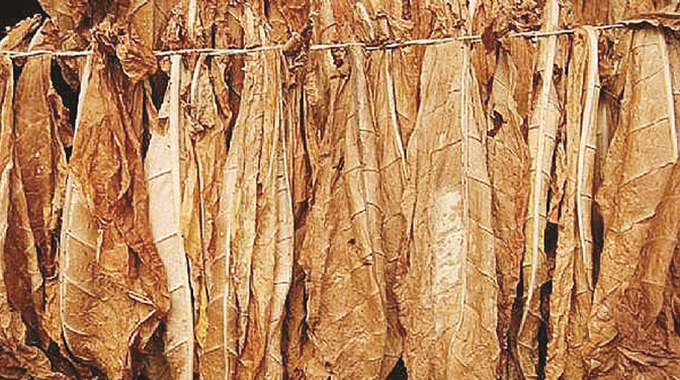
GOLD continues to dominate Zimbabwe’s export basket, accounting for 53,6 percent of total shipments in June, followed by tobacco at 5,7 percent and nickel at 4,7 percent.
According to the latest trade statistics from the Zimbabwe National Statistics Agency (ZimStat), exports for June amounted to US$723,5 million, representing a 0,5 percent decline from US$727,3 million recorded in May 2025.
The country imported goods worth US$882 million, resulting in a 2,9 percent increase in the trade deficit to US$158,5 million.
Presenting the external trade statistics, ZimStat’s Finance and Balance of Payments Statistics manager, Ms Mable Chimhore, said the United Arab Emirates, South Africa, and China remained Zimbabwe’s top export destinations, accounting for 54,8 percent, 23,5 percent, and 8,3 percent of total exports, respectively.

“These three countries accounted for around 87 percent of the total export value of US$723,5 million,” she said.
On the import side, mineral fuels and mineral oils made up 20,5 percent of total imports, followed by machinery and mechanical appliances at 18 percent and cereals at 6,8 percent.
“South Africa, China, Bahrain, and the Bahamas were the country’s major import sources, accounting for 25 percent, 15 percent, 9,8 percent and 5,3 percent of total imports, respectively,” she said.
Exports classified by Broad Economic Category (BEC) show that industrial supplies comprised 92,2 percent of goods exported in June 2025. For imports, 10,4 percent were industrial supplies, while fuels and lubricants accounted for 19,5 percent.
“Among the top 10 products exported in June 2025 were semi-manufactured goods (53,6 percent), nickel (4,7 percent) and tobacco (5,7 percent),” said Ms Chimhore.
Top imports for the same month included mineral fuels and oils (20,5 percent), machinery and mechanical appliances (18 percent), cereals (6,8 percent) and vehicles (6,6 percent).
Ms Chimhore also highlighted trade patterns within regional blocs. In the Southern African Development Community (SADC), the top exports were nickel (42 percent), coal and semi-coal (8,8 percent), semi-manufactured gold (7,9 percent), and chromium ores and concentrates (5,8 percent).

“Cereals (9,8 percent), machinery and mechanical appliances (9,3 percent), plastics (8,8 percent), and mineral fuels (7,7 percent) were among the top 10 products imported from SADC in June 2025,” she said.
Within the African Continental Free Trade Area (AfCFTA), top exports included nickel matte (1,6 percent), coal and semi-coal (8,8 percent), semi-manufactured gold (7,8 percent), and chromium ores and concentrates (5,8 percent).
Imports from AfCFTA included cereals (9,6 percent), machinery and mechanical appliances (9,2 percent), plastics (7,9 percent), and mineral fuels and oils (7,5 percent).
Trade with the European Union (EU) showed tobacco as the leading export (30,9 percent), followed by ferrochromium (25,9 percent), industrial diamonds (24,3 percent) and granite (10,5 percent).
Major imports from the EU included aircraft, spacecraft, and parts (47,9 percent), miscellaneous chemical products (11 percent), machinery and mechanical appliances (10,3 percent), pharmaceutical products (4,7 percent) and perfumery, cosmetics, or toilet preparations (4,7 percent).
In the Common Market for Eastern and Southern Africa (Comesa), top exports included iron or steel products (18,6 percent), tobacco and cigarettes (18,3 percent), coke and semi-coke (10,5 percent) and generating sets with compression ignition engines (7,9 percent).
Imports from Comesa were dominated by cereals (23,4 percent), electrical machinery and equipment (11,7 percent), salt, sulphur, earth and stone (11,5 percent) and manufactured tobacco (11,3 percent).
Economist Mr Malone Gwadu said the dominance of semi-manufactured goods in Zimbabwe’s exports is unsurprising, given the country’s rich natural resources.
“However, the decline in exports and increase in imports is a concern, as it may put pressure on the country’s foreign exchange reserves,” he said.
He also noted the risks of over-reliance on a few key markets.
“The concentration of exports in markets such as the UAE, South Africa and China, highlights the need for Zimbabwe to diversify its export destinations.
The increase in the trade deficit is a worrying trend, and policymakers will need to address the underlying causes — such as boosting domestic production and reducing reliance on imports,” he added.