admin
adminfrom mineral sales for the period to September, according to the Chamber of Mines, which represents most medium- and large-scale miners.
Last year, Zimbabwe produced 12 993kg of gold. Gold production continued to increase despite recapitalisation challenges due to firming prices on global markets. Gold was yesterday trading at a six-week low of US$1 711 an ounce, but reached an all-time high of US$1 795 early this month. Last year, gold closed at US$1 662 per ounce.
Zimbabwe’s gold production fell to an all-time low of three metric tonnes in 2008, at the height of the economic crisis.
Earnings from gold accounted for over half Zimbabwe’s mineral exports in the first nine months of the year. Mineral exports, excluding ferrochrome, diamonds and coal, earned Zimbabwe US$2,01 billion over the same period.
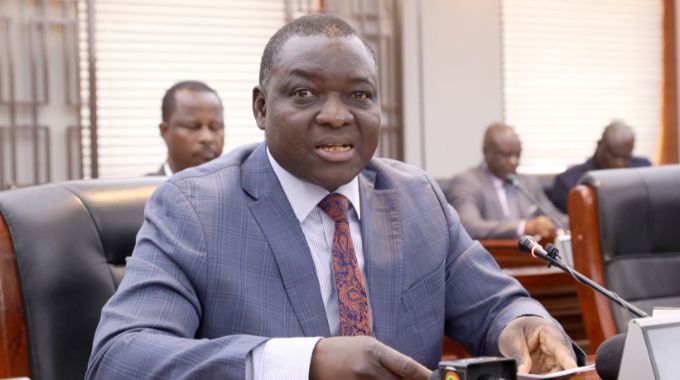
Zimbabwe’s mining sector requires between US$5 billion and US$7 billion over the next five years to recapitalise and increase its mineral output, Chamber of Mines of Zimbabwe president Winston Chitando said recently.
Speaking at this year’s Zimbabwe Mining Indaba, he said the capital injection would enable the country to increase its gold production to 50 tonnes annually, platinum to 21 tonnes, from 12 tonnes expected this year and coal to seven-million tonnes a year, from 2 million tonnes forecast for 2012.
The gold sector was only running at 50 percent of its capacity and production for the year anticipated to reach about 15 tonnes, was still well below the 1990-levels of 28 tonnes per year.
Ferrochrome and chrome production is also running below capacity, owing to low prices and funding woes, while the nickel sector was placed under care and maintenance in 2008, but is now on course to start production.
The sector remains at the heart of Zimbabwe’s economic activities and generates for exports and creates employment. It employs about 45 000 people and accounts for 50 percent of the country’s foreign currency inflows.
Mining is contributing about 13 percent to Zimbabwe’s gross domestic product, matching the manufacturing sector’s 14 percent contribution, and could reach 25 percent by 2020.
Mr Chitando recently said the country had registered increased interest from investors in the past few months, despite concerns over political and regulatory uncertainty. He said the chamber was engaging Government to address challenges of high operational costs, illiquidity, lack of long-term capital, as well as challenges in the mining fiscal environment relating to regulation, taxes and mining fees.


Online Reporter
- Herald
- July 29, 2026
- 87 views
IMF impressed by Zim economy . . . meets all end-March targets . . . rating boon for economy
Nqobile Bhebhe-Zimpapers Business Hub ZIMBABWE has reached another significant milestone in its economic reform and international re-engagement drive after the International Monetary Fund (IMF) Management approved the completion of the…