admin
admin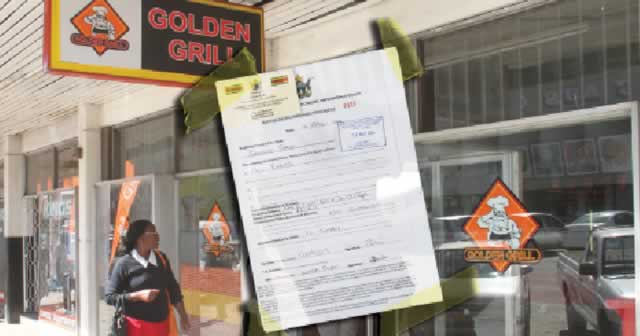

Mernat Mafirakurewa/Sifundiso Ndlovu Chronicle Reporters
FOREIGN companies operating in reserved sectors of the economy have been given seven days to comply with indigenisation laws or risk their operating licences being terminated.
Officials from the National Indigenisation and Economic Empowerment Board (NIEEB) this week visited non-compliant companies in Bulawayo operating in the reserved sectors issuing them with final warnings.
Under the Indigenisation and Economic Empowerment Act, foreigners are not allowed to invest in reserved sectors such as grain milling, barber shops, tobacco processing, bakeries, local transportation and fast food outlets among others.
A notice by NIEEB titled ‘Not Compliant to Indigenous Status’ seen by this paper at one of the fast food outlets in Bulawayo – Golden Grill – gave the company seven days to put its papers in order.
The Notice said under the Indigenisation and Economic Empowerment Regulations Statutory Instrument 21 of 2010 section 9 (A), any business operating in the reserved sector should have obtained a compliance certificate by January 1, 2014.
It said failure to comply is an offence attracting a fine not exceeding level four or imprisonment for a period not exceeding three months or to both such fine and imprisonment.
The law gives the authorities powers to revoke, suspend, or cancel the operating licence of non-compliant businesses.
“This hereby serves as the final notice and should you not comply with the recommendations given within seven days from this date, we will cause the cancellation of your operating licence and you’ll be required to close your shop without further notice to you,” read part of a notice issued to Golden Grill proprietor, Paul Evans, dated May 12.
The fast food outlet’s three branches in the city were not operating yesterday.
It could not be immediately established why the shops were closed.
NIEEB regional manager for Matabeleland North Linda Mpofu referred questions to their head office in Harare.
NIEEB chief executive officer Wilson Gwatiringa said: “No company has been closed. We don’t go there with chains and locks.
“What we’re doing is normal work by visiting companies to check for compliance. Our officers don’t close shops and that’s the truth.
“Just like councils and the Zimbabwe Investment Authority would check for compliance, that’s what we’re doing.
“The affected companies have to start the compliance process within seven days. We want to know their shareholding structure.”
Gwatiringa could, however, not disclose how many companies had been affected but said this was an ongoing exercise meant to ensure compliance.



 derick.khumalo