Online Reporter
Ivan Zhakata
Herald Correspondent
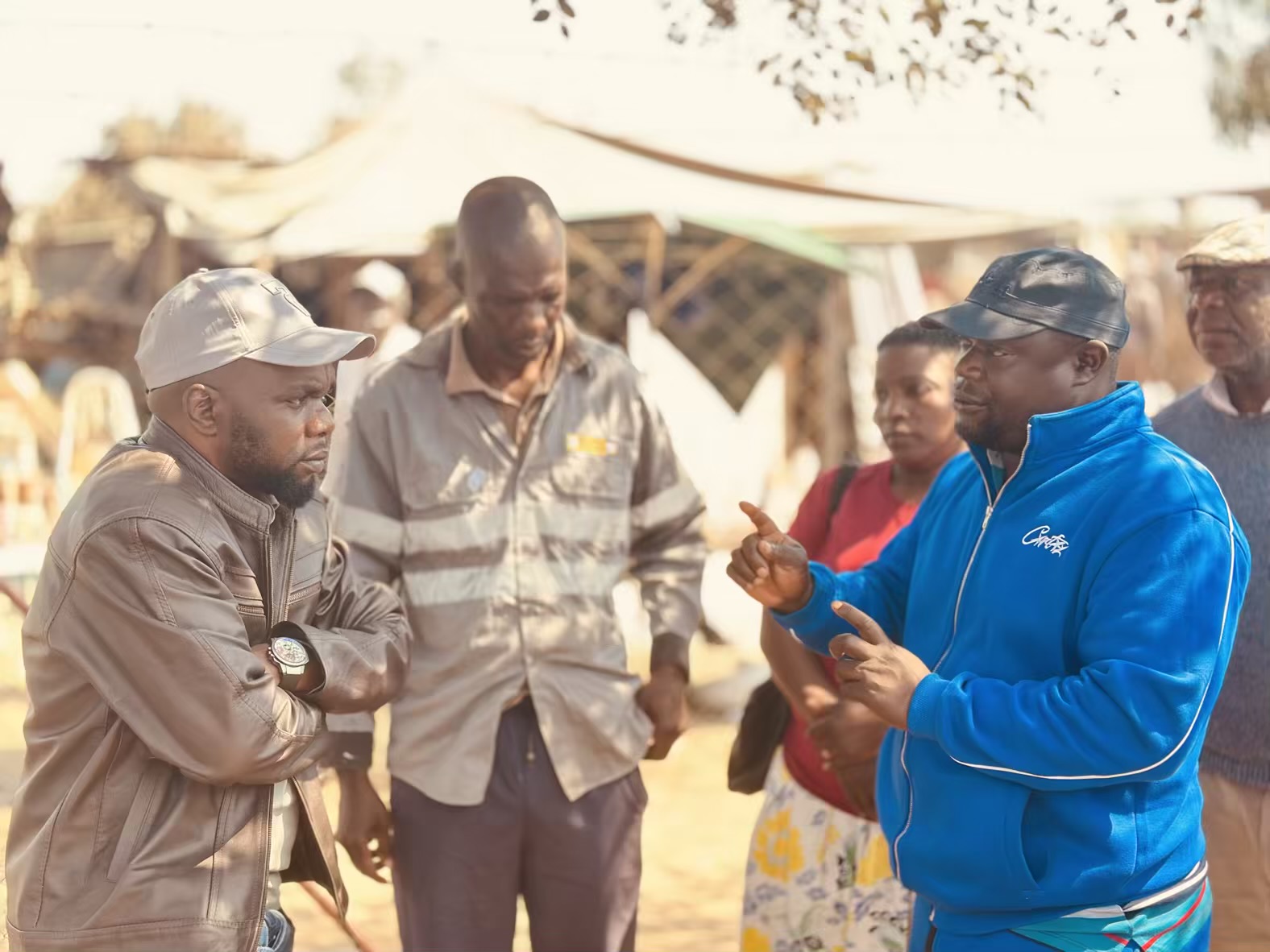
TRADITIONAL leaders and villagers in Goromonzi have revived the age-old rain-making ceremony known as ‘Chipwa’ to pray for good rains and protection of their communities ahead of the 2025/2026 farming season.
Chief Rusike, born Witness Mashawe, said the traditional ritual is an important cultural practice aimed at uniting the people and invoking ancestral blessings for rainfall that brings prosperity rather than destruction.
“We are praying to our ancestors for good rains using our traditional method, which is known as Chipwa in vernacular,” he said.
“We do this ceremony close to the rainy season so that the rain comes without thunderstorms, hailstorms and lightning, which are destructive.
“This is a time where all the houses under the Rusike chieftainship converge in prayer so that it does not rain in one village but in the whole of Goromonzi.”
Chief Rusike said Goromonzi’s prosperity was closely tied to the success of Kunzvi Dam — one of the country’s largest water bodies — which supports irrigation projects in the district.
“For Kunzvi Dam to be filled with water and complement irrigation projects in Goromonzi, we must have good rains,” he said.
“We are also praying for the well-being of our villagers. It is not only about rain-making but also for the protection of our people.
“This ceremony caters for everyone, despite their background, so we hope we will have good rains in the upcoming summer cropping season.”
Chief Rusike’s advisor, Mr Simbarashe Mashawe, said the ceremony also included prayers for the success of crops and seeds that villagers are preparing to plant.
“We are praying for good rains to come so that we have bumper harvests,” he said.
“The villagers have also brought the seeds that are going to be planted to be prayed for so that they have good yields. This is what we want to be done across the country so that the whole nation becomes food sufficient.”
Ward 22 Agriculture Committee chairperson, Mr Stanley Musendo, said the Chipwa ceremony promotes unity and community development through traditional practices.
“I am very happy to be part of this ceremony,” he said.
“It is important because if it rains well, people will have good yields. This ceremony uplifts our villages through our traditional ways. If we have good rains, our people will not be poor.”
Local farmer Mr Rodreck Madzima praised the revival of the cultural practice and said it had been years since such ceremonies were held in Goromonzi.
“We are here to support this rain-making ceremony. It has been years since ceremonies like this have been done in Goromonzi.
“This ceremony enables us to have good rains, which will ensure bumper harvests. We are happy with the traditional leadership here in Goromonzi under the leadership of President Mnangagwa, and we hope that this year we are going to have good rains,” he said.
The Chipwa ceremony, deeply rooted in Zimbabwe’s cultural heritage, reflects a growing recognition of traditional knowledge systems in promoting sustainable agriculture and community resilience.