Online Reporter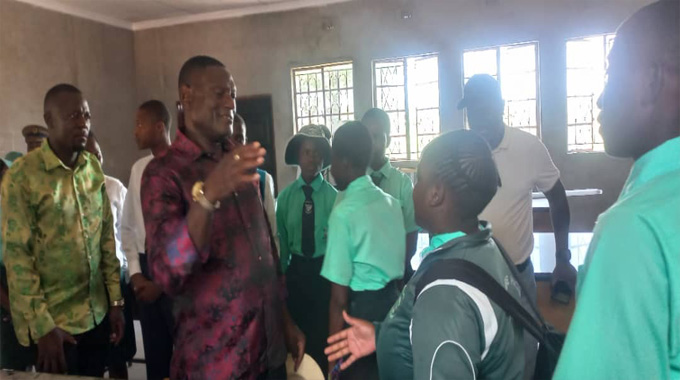
Thupeyo Muleya, [email protected]
THE Government is constructing 40 science laboratories at secondary schools across Matabeleland South Province as part of legacy projects ahead of the province hosting the 2026 national Independence Day celebrations.
The laboratories are part of a broader education-sector development programme aimed at strengthening Science, Technology, Engineering and Mathematics (Stem) education, particularly in remote and underserved rural communities that have long lacked adequate facilities.
The initiative falls under President Mnangagwa’s broader drive to modernise school infrastructure and promote science and technology education as key pillars of national development.
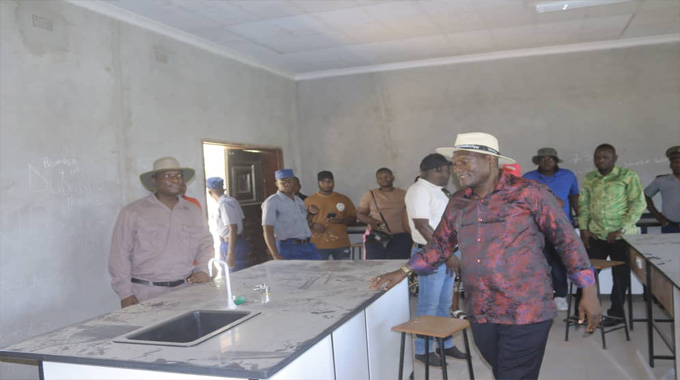
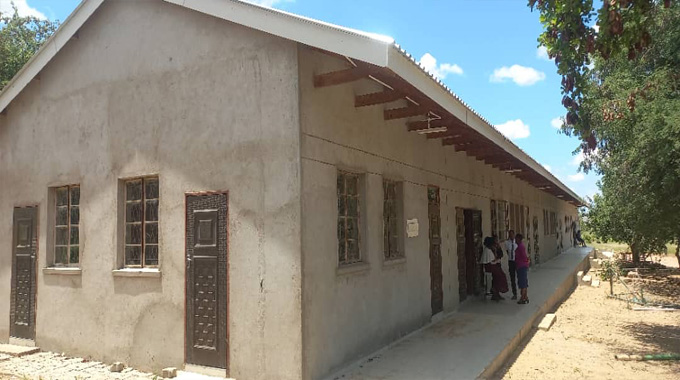
Speaking during a tour of the newly constructed science laboratory at Vhembe High School in Beitbridge on Monday, Minister of State for Matabeleland South Provincial Affairs and Devolution, Albert Nguluvhe, said the project would significantly transform the province’s education landscape.
“These projects will go a long way in improving the teaching and learning of science subjects, which have been affected by a serious shortage of facilities in our region,” said Minister Nguluvhe.
He said the 40 laboratories would be evenly distributed across all seven districts of Matabeleland South to ensure equitable access.
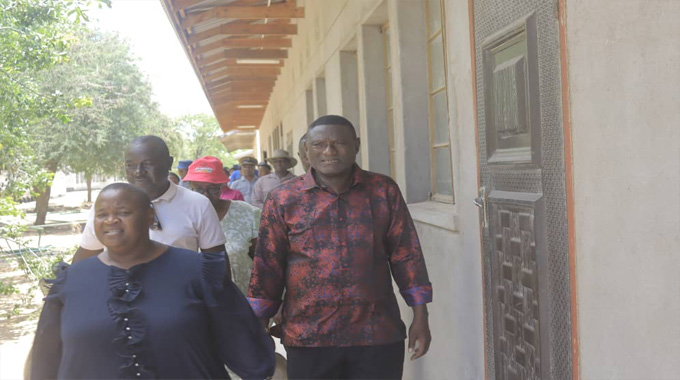
In Beitbridge District alone, civil works are underway at nine secondary schools, with the Rural Infrastructure Development Agency (Rida) serving as the lead implementing agency. The beneficiary schools include Siyoka, Tshitulipasi, Malungudzi, Matshiloni, Malala, Malikuwa, Swereki and Chamnanga secondary schools.
“We are grateful to His Excellency President Mnangagwa for availing these laboratories as part of the legacy projects linked to the hosting of national Independence celebrations,” said Minister Nguluvhe.
“Our children have been struggling to study Stem subjects due to a lack of proper infrastructure. This intervention will help improve pass rates and open pathways for learners to pursue careers in medicine, engineering and other critical fields.”
He emphasised that science and computer skills were essential in building critical thinking, creativity and problem-solving abilities among learners, equipping them to contribute meaningfully to national development.
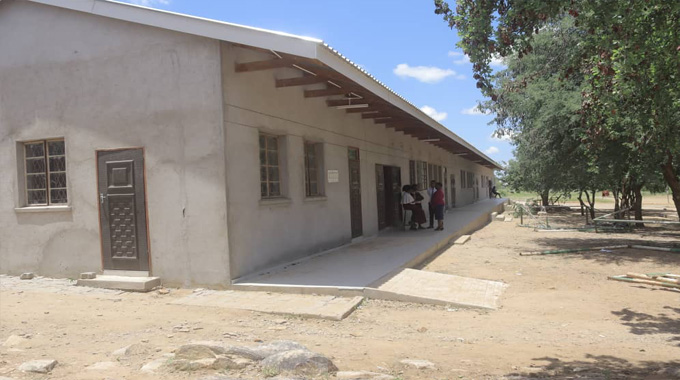
Minister Nguluvhe said construction of the Vhembe High School laboratory was largely complete, with only equipment mobilisation remaining.
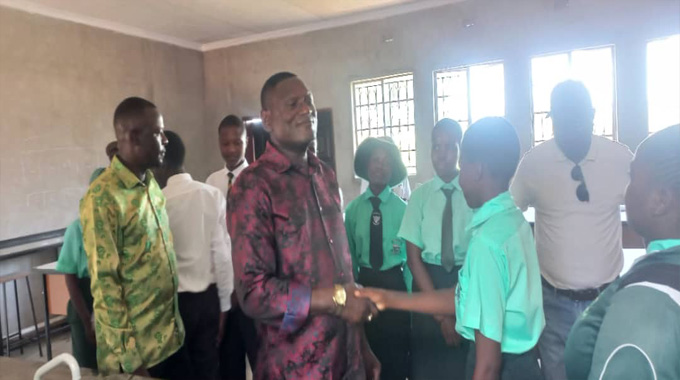
“The facility was built through a combination of community support, devolution funds and Constituency Development Funds. What remains now is to fully equip it so that it becomes operational,” he said.
The minister called on local businesses and community members to continue supporting education development efforts across the province.
“Hosting Independence celebrations has brought meaningful development to our province. Science laboratories are critical learning facilities, and this intervention helps address a serious deficit we have faced for years,” he said.
Beitbridge Senator Tambudzani Mohadi described the Vhembe High School laboratory as a shining example of what collective effort can achieve.
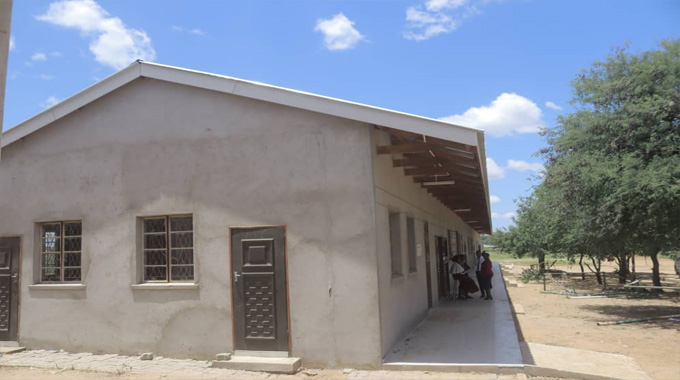
“This project shows what is possible when Government, communities and stakeholders work together towards a shared vision,” she said.
In 2019, President Mnangagwa directed the Ministers of Higher and Tertiary Education, Science and Technology Development, and Primary and Secondary Education to ensure science subjects were taught in most schools in Beitbridge.
The President has consistently urged learners to embrace science subjects and emerging fields of study as Zimbabwe accelerates efforts to modernise the economy in line with global technological advancements.