Online Reporter
Business Reporter
PROACTIVE, data-driven planning and site-specific farming practices are essential to insulating Zimbabwe against El Niño-induced dry spells and preventing a repeat of the severe droughts of 1992 and 2023, Dr Hillary Mugiyo, chief agricultural specialist at the Ministry of Agriculture, Mechanisation and Water Resources Development, has said.
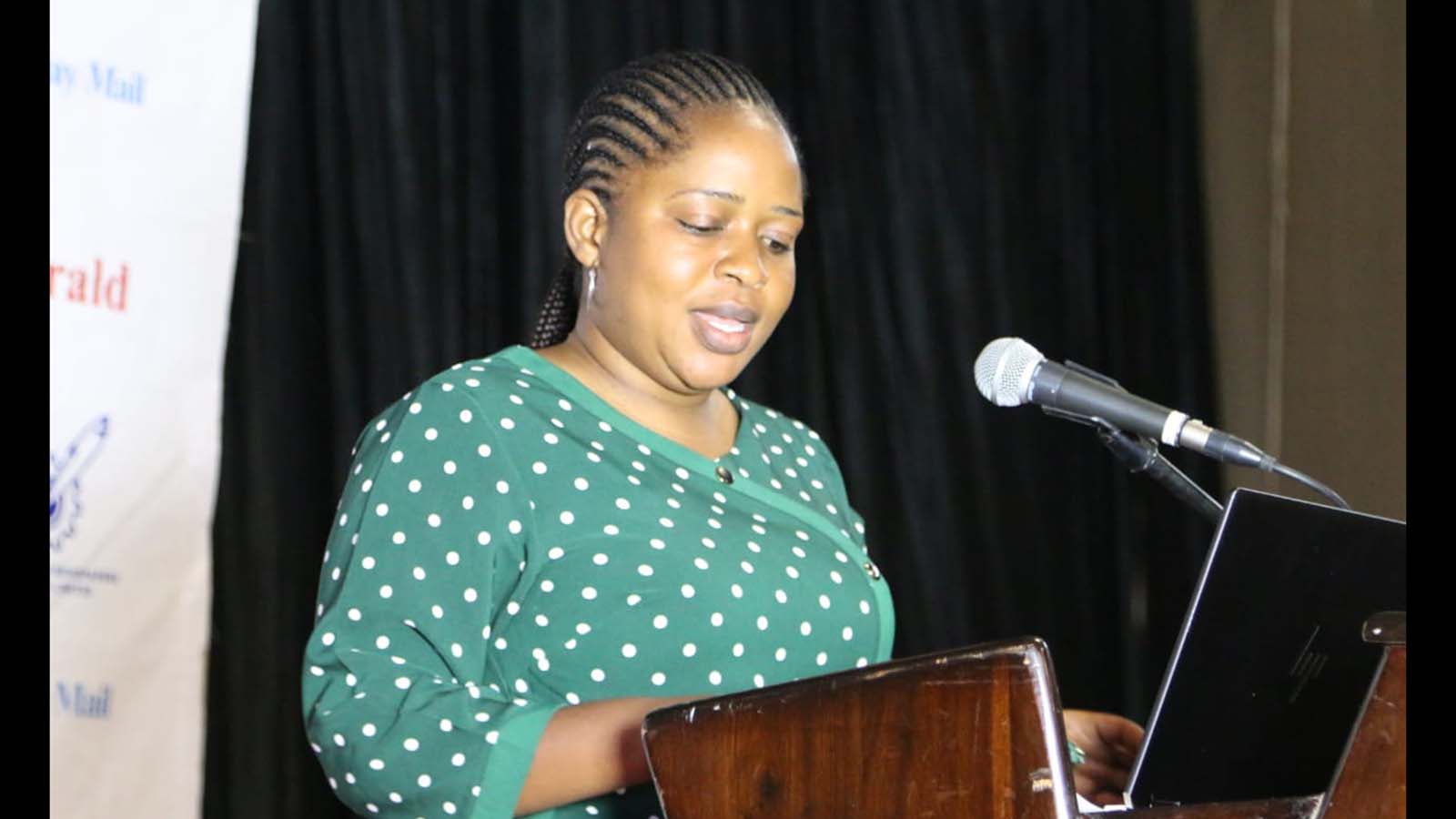
Addressing delegates at the Zimpapers Agricultural Preparedness Summit held at the Zimbabwe Agricultural Society (ZAS) Showgrounds this morning, Dr Mugiyo presented an agro-meteorological outlook and mitigation framework derived from detailed historical rainfall data and seasonal analysis.
Reflecting on past seasonal trends, Dr Mugiyo cautioned against relying solely on initial good rains, highlighting how historical weather shifts demonstrate the need for long-term preparedness rather than reactive crisis management.
“We have done the analysis. We have seen that, despite a very good start in 2023, from 25 January the rains ceased for extended periods,” Dr Mugiyo explained. “This analysis is what we do as a ministry, and we are very aware of what is going to happen. The reason we came up with these drought-plan strategies is to make sure we do not repeat the 2023 event and the 1992 event.”
Dr Mugiyo stressed that the ministry is actively using this data to guide farmers through the October-to-January planning window, equipping them with actionable insights before seasonal dry spells set in.
Drawing a biblical parallel to emphasise the importance of tailored agronomic guidance, Dr Mugiyo urged extension workers and farmers to apply precise, location-specific practices to every field.
“Just as the Bible speaks of rightly dividing the word of truth, we must ‘rightly divide’ our agricultural advice—delivering the exact crop choice, planting date and management practice required for each specific agro-ecological zone,” he said.
Dr Mugiyo outlined three core pillars for farm-level resilience during the upcoming season.
He spoke about the need to spread agricultural risk through crop diversification, moving away from total reliance on single crops and actively integrating traditional small grains alongside drought-tolerant hybrid maize.
Dr Mugiyo also called for the implementation of field-level moisture-preservation structures, including basins, mulching and contours, to sustain crops through extended dry periods.
He also called for continuous farmer education to adapt to shifting seasonal rain onsets and dynamically adjust soil and crop management strategies.
Dr Mugiyo concluded by calling for broad collaboration among government agencies, media platforms and farming communities, reminding participants that climate phenomena affect everyone equally.
“Weather knows no boundaries, and because of that, we need each other to build total resilience,” Dr Mugiyo noted, expressing optimism for the upcoming agricultural cycle if farmers remain disciplined in implementing climate-smart agronomy and moisture-retention techniques.