Online Reporter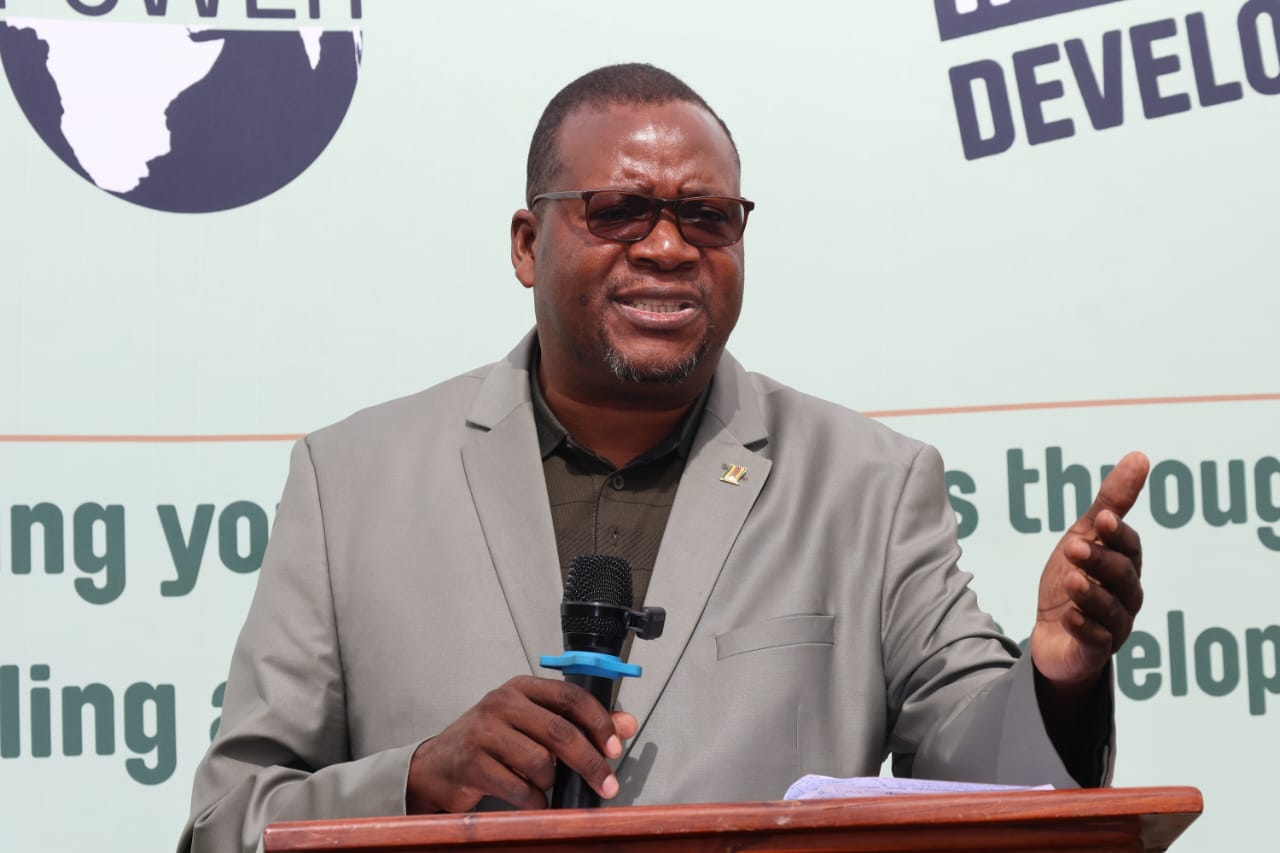
Theseus Mauruki Shambare
GOVERNMENT is developing a youth-focused agricultural investment plan running up to 2030 as part of efforts to domesticate the African Union’s Comprehensive Africa Agriculture Development Programme (CAADP) Kampala Declaration and accelerate agricultural transformation in Zimbabwe.
The development was revealed during the launch of a youth-led research report titled Driving Growth: Catalysing Youth-led Agribusiness for Youth Empowerment and Zimbabwe’s Economic Revival in Harare yesterday.
Speaking on behalf of the Ministry of Agriculture, Mechanisation and Water Resources Development’s Permanent Secretary Professor Obert Jiri, Chief Director of Strategic Planning and Business Development, Mr Clemens Bwenje said the investment plan would be anchored on the Agriculture Food Systems and Rural Transformation Strategy, which is currently being aligned to continental agricultural commitments.
“This launch comes at an opportune time as the CAADP process. The Kampala Declaration is saying that for us to transform agriculture in African countries, we must use agriculture as the foundation of everything. We must invest in agriculture and then that will see development,” he said.
He said Government was translating the continental framework into national policies and programmes that place young people at the centre of agricultural development.
“We are in the process as the Ministry of Agriculture of domesticating that document into our Agriculture Food Systems and Rural Transformation Strategy. That is also going to be translated through value chain analysis into an investment plan for the period that is going up to 2030,” he said.
The official said youths, who constitute more than 60 percent of Zimbabwe’s population, are critical to the country’s economic future and must be fully integrated into agricultural policies.
“How can you develop a country without 60 percent of the population? You can not. So, if we are going to have agriculture policies that will transform this economy, we must have policies that ensure that they benefit the youth,” he said.
He noted that agriculture remains one of the most important sectors for employment creation and poverty reduction.
“You want to attack poverty, go to agriculture. You want to attack poverty, go to rural areas. You want to attack poverty, go to smallholder farmers,” he said.
The research launch brought together Government officials, development partners, researchers and young agripreneurs to discuss barriers and opportunities facing youth participation in agriculture.
According to the study, young people require access to land, finance, markets and mentorship to thrive in agribusiness.
Speaking at the same event, Restless Development Zimbabwe Hub Director Mr Lesley Garura said the research was launched at a time when nearly half of Zimbabwe’s youths remain outside employment, education and training.
“Young people constitute more than 46 percent of Zimbabwe’s total population. Yet an estimated 49.2 percent of these young people are classified as NEET — Not in Employment, Education or Training,” he said.
Mr Garura said agriculture already employs about 37 percent of young people and presents significant opportunities for job creation, economic empowerment and inclusive growth if the right support systems are put in place.
The findings are expected to inform ongoing policy discussions on youth empowerment, agricultural transformation and Zimbabwe’s broader economic development agenda.