Agriculture Reporter
THE Ministry of Agriculture, Mechanisation and Water Resources Development through the Directorate of Veterinary Services, has decentralised laboratory services across the country to bring diagnostic services closer to livestock farmers and practitioners as well as reduce costs and delays associated with sending samples to central laboratories.
This is part of the Government’s efforts to strengthen animal health service delivery by expanding and modernising the country’s veterinary laboratory network in line with the national devolution agenda.
According to the DVS, an expanding network of laboratories is playing a critical role in disease surveillance, rapid diagnosis, vaccine production and emergency disease response, contributing significantly to national livestock development and food security.
So far, veterinary laboratory services have been established in Midlands, Bulawayo, Gwanda, Mutare and
Masvingo, complementing the Central Veterinary Laboratory (CVL) in Harare, which remains the country’s national reference laboratory.
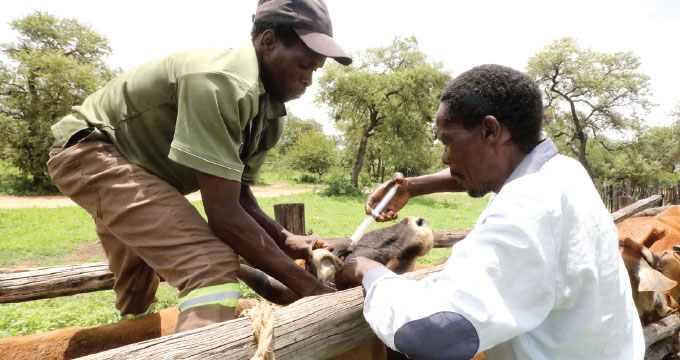
Through decentralisation, livestock farmers are now able to access quicker diagnoses, faster treatment decisions and improved disease control interventions.
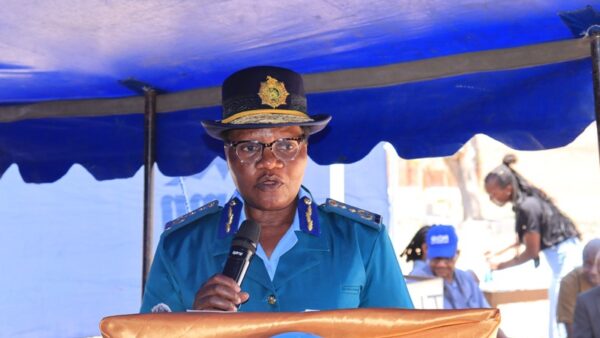
Director of Veterinary Technical Services, Dr Lawrance Dinginya, said the decentralisation programme was designed to improve accessibility of laboratory services while strengthening Zimbabwe’s national animal disease surveillance system.
“Additional diagnostic capacity will continue to be introduced at provincial laboratories to ensure that more diseases can be diagnosed closer to farming communities, thereby improving response times during disease outbreaks and enhancing livestock productivity.
“The Directorate of Veterinary Services encourages livestock farmers, veterinary practitioners, researchers and other stakeholders to make full use of the Government’s veterinary laboratory network by submitting samples for laboratory examination whenever disease is suspected,” he said.
As Zimbabwe continues to modernise its veterinary diagnostic infrastructure, expand vaccine production and strengthen laboratory quality systems, the veterinary laboratory network remains one of the country’s most important pillars in safeguarding animal health, protecting public health, facilitating livestock trade and supporting national food and nutrition security.
“The Midlands veterinary laboratory currently offers a range of diagnostic services, including haemoparasite examinations for Tick-Borne Diseases (TBDs), Rose Bengal Test (RBT) for Brucellosis screening, Rapid Diagnostic Testing (RDT) for rabies and production of Autogenous Wart Vaccines.
“The laboratory joins other strategically positioned provincial laboratories established by the Department of Veterinary Technical Services, including facilities in Bulawayo, Gwanda, Mutare and Masvingo,” he said.
Dr Dinginya said plans were underway to further expand the diagnostic capacity of the Midlands Provincial Veterinary Laboratory to cater for a wider range of animal diseases and conditions.
The veterinary laboratory network has an annual target of testing 30 000 animal samples from across Zimbabwe.
These samples support surveillance and diagnosis of major livestock diseases, including Foot and Mouth Disease (FMD), tick-borne diseases, rabies, brucellosis, Newcastle disease, anthrax, avian influenza, lumpy skin disease and many other economically important livestock diseases.
The veterinary laboratory services also serve as the country’s principal veterinary biological production centre, manufacturing vaccines that protect millions of livestock and poultry each year.
The annual vaccine production targets include: 30 million doses of Newcastle Disease vaccine for the protection of indigenous and commercial poultry, 300 000 doses of Bolvac (Theileria) vaccine to protect cattle against January Disease (Theileriosis), 100 000 doses of Babesia vaccine for the prevention of Redwater disease and 100 000 doses of Anaplasma vaccine for the control of Gallsickness.
“These locally produced vaccines reduce reliance on imports, strengthen national biosecurity and ensure the country can rapidly respond to disease outbreaks while supporting sustainable livestock production,” he said.
To maintain internationally recognised laboratory standards, the Directorate continues investing in staff development.
“Recently, 20 laboratory personnel from the Central Veterinary Laboratory and provincial laboratories successfully completed specialised training on the development and implementation of ISO/IEC 17025:2017, the international standard for testing and calibration laboratories. The training strengthens the directorate’s commitment to producing accurate, reliable and internationally accepted laboratory results,” he said.