

 Online Reporter
Nqobile Bhebhe, Zimpapers Writer
THE Ministry of Lands, Agriculture, Fisheries, Water and Rural Development has extended the critical deadline for the destruction of all non-oriental tobacco plants to June 5, 2025. This decision directly addresses the “exceptional weather conditions” that severely disrupted transplanting schedules for the ongoing 2024/25 agricultural season.
Ordinarily, tobacco growers are required to destroy all tobacco stalks in the field by May 15 each year to prevent the spread of pests and diseases into the next season. However, a delayed start to the 2024/25 rainy season disrupted the usual transplanting schedule, particularly for rain-fed smallholder farmers.
“In January 2025, the ministry extended the field transplanting period by 10 days, to January 10, to accommodate growers who were unable to transplant their seedlings by the usual destruction date of December 31, 2024,” said Lands, Agriculture, Fisheries, Water and Rural Development Minister, Dr Anxious Masuka, in a notice.
In light of this, the ministry has invoked Section 5(1) of the Plant Pests and Diseases (Tobacco) Regulations of 1979, formally revising the plant destruction deadline solely for the 2024/25 growing season.
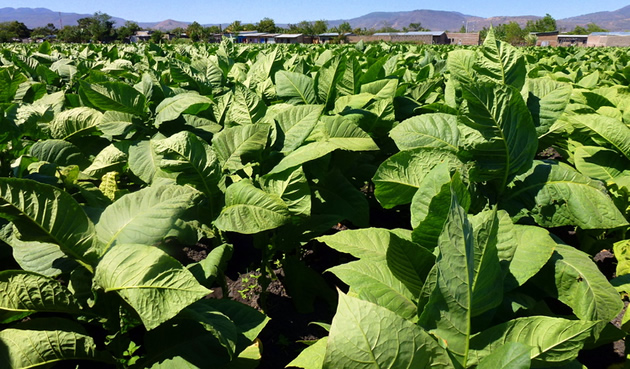
“The last date for destroying all tobacco plants in the field shall be June 5 in the case of plants of a type other than oriental,” the ministry announced.
The ministry emphasised that this is a one-off extension, and all farmers must comply with the revised deadline to safeguard Zimbabwe’s vital tobacco sector from the risk of disease and pest infestations.
Farmers unable to meet the new deadline are required to apply in writing for an extension to the Chief Director responsible for the National Plant Protection Organisation of Zimbabwe (NPPOZ) before June 5.
Failure to destroy tobacco plants within the stipulated timeframe carries serious penalties. Offenders risk fines of up to US$100 per hectare or imprisonment for up to one year for a first offence. Repeat offenders may face fines of up to US$200 per hectare, imprisonment for up to two years, or both.
The destruction of tobacco stalks at the end of the season is a critical phytosanitary measure, aimed at breaking the life cycle of destructive pests such as aphids and weevils, and reducing the spread of fungal and viral diseases that threaten yield and export quality.
Zimbabwe is the largest producer of flue-cured tobacco in Africa, and tobacco is the country’s second-largest foreign currency earner after gold. More than 134 000 growers are registered for the 2024/25 season, reflecting the significant role of smallholder farmers who have entered the industry since the land reform programme began at the turn of the century.
By day 51 of the marketing season, statistics from the Tobacco Industry and Marketing Board (TIMB) showed that 190,3 million kilogrammes of tobacco valued at US$641,5 million had been sold through contract arrangements, while 10,3 million kilogrammes worth US$36,7 million had been sold via auction floors.
The 2025 marketing season opened on March 5, with a projected 220,6 million kilogrammes of flue-cured tobacco expected to be sold through both contract and auction systems — representing a 21 percent increase in value compared to US$559,7 million earned from 159,3 million kilogrammes over the same period last year.
Among the auction facilities supporting independent growers is the Marula Auction Floors in Bulilima District, Matabeleland South Province. Officially opened last Thursday, the floors were established to bring marketing services closer to farmers in southern Zimbabwe, reducing transport costs and post-harvest losses — especially for small-scale producers.
The floors have played a pivotal role in empowering communal farmers without contract arrangements, allowing them to access fair market prices for their crop. Marula has also enhanced the decentralisation of tobacco marketing, ensuring greater inclusivity and improved service delivery in line with the country’s rural development agenda.
The facility is part of broader efforts by Government and private players to boost tobacco production in non-traditional growing areas, diversify the farmer base, and strengthen the tobacco value chain across all provinces.
Over 120 smallholder farmers, the majority of them women and widows, gathered at the Bitumen World Training Centre in Marula to sell their crop — a golden leaf not traditionally associated with the southern region. The occasion marked a major milestone in Matabeleland’s transformation under a pioneering commercial tobacco farming project now in its second year.
The initiative, which began in the 2023/24 season with just 17 farmers, has seen exponential growth, attracting 122 growers from villages across Bulilima and Mangwe.
Spearheaded by TIMB and private partner Atlas Agri, the project is not only introducing a new cash crop to the area but also redefining what’s possible in semi-arid zones long dismissed as unsuitable for tobacco.
Traditionally, tobacco production has been concentrated in the Mashonaland provinces, which typically receive high rainfall and have suitable soils for flue-cured tobacco. Matabeleland South, by contrast, is one of the driest regions in the country, with erratic rainfall patterns, frequent droughts, and degraded soils.


