Online Reporter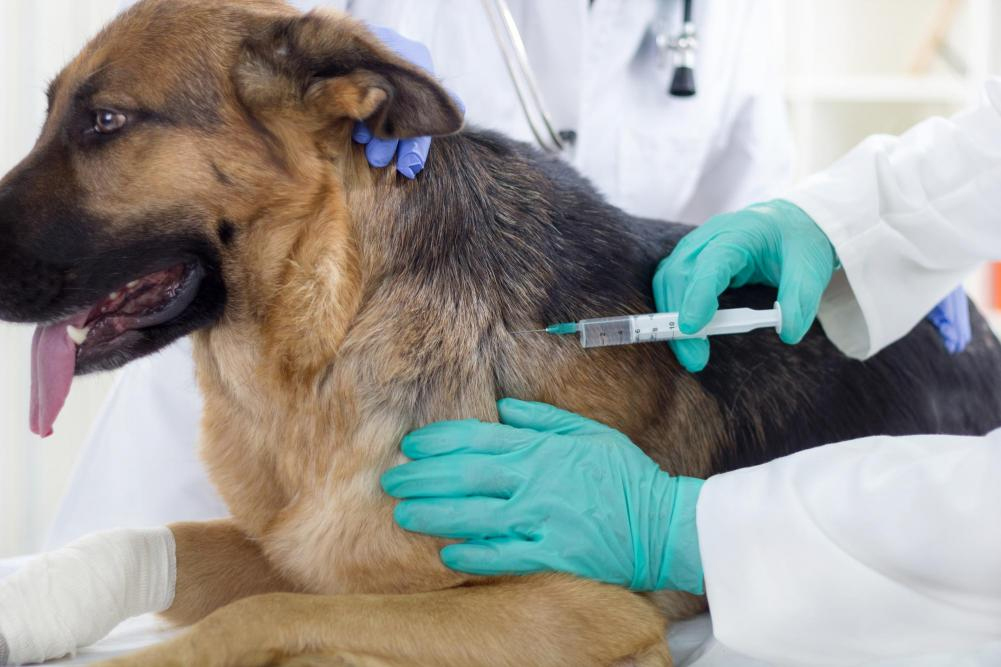
Elita Chikwati, Agriculture News Editor
THE Directorate of Veterinary Services (DVS) in the Ministry of Agriculture, Mechanisation and Irrigation Development has so far vaccinated more than 2 700 dogs in Hwange, Matabeleland North, as part of efforts to control and contain the spread of rabies.
The campaign follows recent confirmed and suspected cases of rabies in the district.
Rabies is a viral disease affecting the nervous system. It can infect all mammals, including humans and is highly fatal to all species.
In Zimbabwe, rabies is a common disease in dogs, cattle and jackals, being the main host species.
Clinical signs of rabies in all animals are a behaviour change. They may become aggressive or unusually placid.
DVS chief director, Dr Pious Makaya, said at least 12 cases of rabies involving dogs and cattle were recorded in Hwange.
“Hwange has experienced a surge in dog-mediated rabies cases over the last few months, prompting the department to scale up control measures to contain the spread.
“So far, 2 763 dogs have been vaccinated in Hwange against a target of 4000,” he said.
Hwange Veterinary Officer, Dr Zanele Matatu, said the Government’s response was focused on preventing human exposure by controlling the disease at its principal domestic source.
She confirmed that the Government had adequate stocks of rabies vaccine to support the national vaccination programme targeting 500 000 dogs.
The availability of vaccines presents an opportunity to reduce dog-mediated rabies, provided pet owners actively participate by presenting their dogs for vaccination.
“We have adequate rabies vaccines to support the vaccination of dogs across the district; Vaccinating dogs is one of the most effective ways of protecting both animals and people from rabies. We therefore encourage every dog owner to take advantage of the vaccination programme and ensure that their dogs are protected,” said Dr Matatu.
The DVS advised members of the public to treat every dog bite as a medical emergency and seek treatment immediately, regardless of whether the dog appears healthy or the wound appears minor.
“Anyone bitten or scratched by a dog or other animal suspected of having rabies should at once seek medical attention at the nearest health facility for assessment and proper management.
“Delays in seeking treatment can have devastating consequences because once clinical signs of rabies develop in a person, the disease is invariably fatal,” said Dr Matatu.
Matabeleland North veterinary director, Dr Sitokozile Sibanda, said teams were strengthening surveillance while encouraging communities to become active participants in rabies prevention.
“Our veterinary teams are actively working in communities to vaccinate dogs and investigate suspected cases. However, successful rabies control requires partnership with the public. We need communities to report suspected rabies cases at once to their nearest veterinary office so that our officers can investigate, collect proper samples where necessary and set up a diagnosis,” she said.
Veterinary reports from the affected areas have documented suspected animals displaying signs including aggression, biting people and attacking other dogs, reinforcing the importance of recognising unusual behavioural changes in animals and reporting them promptly.
“Communities should therefore be particularly alert to dogs that suddenly become unusually aggressive, bite without provocation, attack people or other animals, show abnormal behaviour or develop other signs suggestive of rabies.
“People should not try to catch, restrain or kill a suspected rabid animal themselves, as doing so may unnecessarily expose them to infection. Instead, the nearest veterinary office should be contacted for professional investigation,” she said.
The DVS said the risk was particularly high in communities close to wildlife areas.
Veterinary investigations have highlighted interaction between domestic dogs and wildlife, including jackals, as a potential pathway for rabies transmission.
“Government’s investment in vaccines, surveillance and veterinary response can achieve its greatest impact when accompanied by responsible pet ownership.
“Dog owners are urged to ensure that their animals are vaccinated against rabies and receive the required booster vaccinations,” the directorate said.
Owners were also advised to keep dogs under appropriate control rather than allowing them to roam freely; provide adequate food, water, shelter and veterinary care; and avoid keeping unmanageable numbers of dogs.
Members of the public were also urged to immediately report unusual behaviour, unexplained aggression or suspected rabies to veterinary authorities.
“Rabies prevention starts with responsible pet ownership.
“If every owner vaccinates and properly manages their dogs, and communities report suspected cases early, we can dramatically reduce the risk of rabies to our families, livestock and animals,” said the DVS.
The directorate said it was continuing to work with public health authorities, local communities, and other stakeholders through a One Health approach, recognising that protecting animal health is fundamental to protecting human health.