Vusumuzi Dube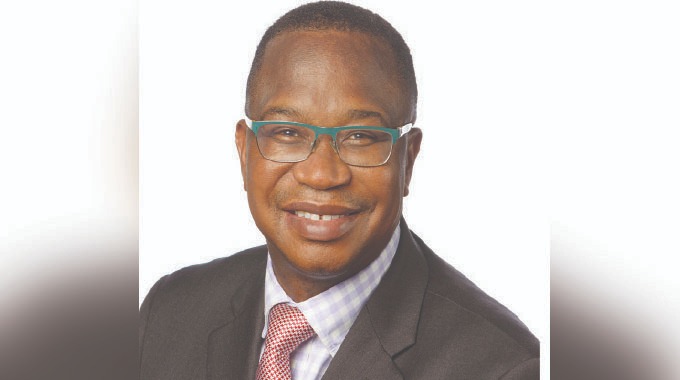
Vusumuzi Dube, [email protected]
GOVERNMENT is exploring fiscal measures that would reduce fuel prices, aiming to cushion households and businesses against the impact of global oil volatility linked to the ongoing Israel-United States war with Iran.
Finance, Economic Development and Investment Promotion Minister, Professor Mthuli Ncube, outlined the approach in Bulawayo yesterday on the sidelines of the Ingutsheni Central Hospital fundraising luncheon, which was graced by President Mnangagwa.
He said authorities are already reviewing taxes, levies and subsidies to shield consumers from rising international fuel costs.
Prof Ncube said Government’s immediate priority is to secure consistent fuel supply while cushioning businesses and consumers, with a particular focus on targeted support for diesel, which is critical for production and transport.
“As you know, we are all affected by the geopolitical situation in the Middle East, which has pushed up our oil prices, which then impact the final product price, the price of petrol, price of diesel in the main. So, we are price takers because we import fuel.
“But as Government, we’ve decided that we need to ensure that there is an adequate supply of fuel, at least over the next three or so months. So, we’ve negotiated with the suppliers, and they’ve assured us, but also through the financial structures we’ve put in place, that this fuel supply will be available. So, we won’t have a shortage of fuel,” said the minister.
Prof Ncube said the Treasury is also scrutinising the basket of fuel taxes and levies to determine whether downward adjustments are possible, with the objective of easing pump prices.
“As Government, we are currently again looking at various taxes and levies to see if we can do further adjustments going forward, so as to cap the impact of this hike in global prices. So, citizens can always expect us as Government to act in their interests, and they should watch the space as we go forward.
“There is indeed a possibility that we will reduce (the fuel prices), but we’re just looking at ways to do it, because we have to do it in a way that is responsible. We don’t want to reduce it and then prices keep rising, and then we are now caught in a quandary. We have to balance everything and see how to do it, but we have every intention to contain the increase in the prices using our taxes, our levies and our subsidies,” said Prof Ncube.
He further indicated that increasing local blending is another lever under consideration, with plans to move the current five percent ethanol blend towards 20 percent to help contain costs at the pump.
“We have had conversations with the companies that offer blending services for the sector. So, currently they are blending at a level of five percent in terms of biofuel, ethanol. We would like them to increase this if they’re able to. I think they’ve got a decent crop, so if they could increase it maybe to 20 percent blending, which is what we typically have, that will also go a long way in reducing the price of petrol.”
Prof Ncube said Government has already acted to cushion diesel users, noting that, instead of a US$2,20 charge, the price has been contained at US$2,05.
He stressed that diesel remains a key cost driver for industry and logistics, with downstream effects on shop prices.
On concerns that recent percentage increases place Zimbabwe among the highest in SADC, Prof Ncube said the ranking was not the core issue. He added that the priority is to manage prices amid a difficult global backdrop and to contain further increases where possible.



 Online Reporter