Chronicle Editor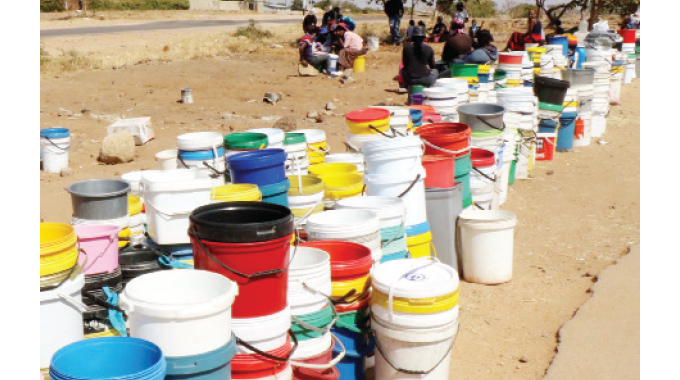
Lungelo Ndhlovu, Sunday News Correspondent
Along with the Government’s attempts to halt the spread of cholera, development partners such as Mercy Corps, which operates in cholera-affected districts such as Manicaland Province’s Buhera District, have stepped up efforts to support the government to combat the outbreak.
Since February 2023, the country has been dealing with an ongoing cholera outbreak that has resulted in over 100 deaths and around 6 000 probable cases. All of the country’s 10 provinces have reported suspected and confirmed cases of cholera, which have spread to 43 districts, including Harare, the nation’s capital.
Dr Jenfan Muswere, Minister of Information, Publicity, and Broadcasting Services said the country was using interventions such as borehole drilling, as one of the strategies to stop the spread of cholera, during a recent post-Cabinet briefing.
“In response to the cholera challenges, 14 boreholes were drilled in Buhera, Chimanimani (2) and Zaka (8), through a borehole drilling project under the Ministry of Health and Child Care. Cabinet reports that health education on cholera prevention and control measures, including hygiene promotion, is ongoing in provinces,” he said.
Ms Mildred Makore, Mercy Corps’ Country Director for Zimbabwe said, “Despite a significant decline in cases from July to August, we now witness a worrying spike of cholera cases, particularly among women and children. In Manicaland, many people have to use crowded water facilities, while others must rely on unsafe wells and rivers for drinking water, putting them at further risk.”
As part of Mercy Corps’ ongoing efforts to give Buhera residents access to clean drinking water through communal water points and borehole rehabilitation, 134 boreholes have been restored to date, according to Ms Makore.

“Mercy Corps is actively working in 16 wards of Buhera District to improve water points and rehabilitate boreholes. Supporting these actions is crucial for effective epidemic control. In a challenging economic environment marked by high inflation, failure to promptly contain the outbreak poses significant risks due to poor sanitation and limited access to clean water, increasing the infection risk. Clean water, timely healthcare support and hygiene education are our key defences against this threat,” she said.
Ms Makore said Government has increased its efforts to combat the cholera outbreak in conjunction with health and humanitarian organisations such as theirs in Buhera district. Mercy Corps has been working in Zimbabwe since 2002, providing community and household access to safe drinking water, sanitation, and environmental hygiene, and their teams, according to Ms Makore, are also assisting with agricultural growth, increasing access to safe drinking water in urban and rural areas, and building long-term resilience to climate and economic shocks and stressors.
“We are calling on donors to increase their financial support to stop the spread, save lives, and prevent a repeat of the catastrophic epidemic we witnessed in 2008. We must ensure adequate investments are made to improve living conditions and strengthen community resilience to prevent future deadly cholera and other disease outbreaks.
“Communities in cholera stricken areas are reminded to wash their hands thoroughly with soap and running water after using the rest-room or before eating to prevent the spread of cholera. This simple action can significantly reduce the risk of sickness. Another thing you may do is avoid eating raw or undercooked meat. To avoid contamination, make sure that all food is properly cooked and handled in a sanitary manner. To lower the danger of cholera transmission, consume treated or boiling water. Maintain proper personal hygiene by following basic sanitation practices such as utilising clean latrines and disposing of rubbish in designated areas. Educating communities on the need of basic hygiene is crucial to minimising cholera transmission.”
Mercy Corps, according to Ms Makore, is also spreading hygiene messaging in the district through community health clubs, village health workers, road shows, and local community radio in conjunction with the Ministry of Health and Child Care, Care International, and the Red Cross.
“In addition, we are strengthening disease surveillance efforts with the Ministry of Health and Child Care and the Rural Infrastructure Development Agency (RIDA) in collaboration with UNICEF. Mercy Corps is assisting in the repair of motorcycles used by Environmental Health Trainers, who are the first responders to suspected cases, in order to teach district Rapid Response Teams and boost disease surveillance activities.”
According to a Press statement issued by the Africa Health Organisation (AHO) on October 29, 2023, Zimbabwe had 5 964 suspected cholera cases, 1 055 confirmed cases, 5 696 recoveries, 43 confirmed deaths, and 123 suspected fatalities.
There were 108 new suspected cholera cases, three suspected fatalities, and two laboratory verified results. Chitungwiza (34), Buhera (31), Harare (11), Mutare (11), Gutu (11), Zaka (4), Chipinge (3), Chegutu (2), and Sanyati (1) were among the locations where instances were documented.
So far, 43 districts have reported cholera cases, with 102 hospitalised; in Chiredzi (2), Zaka (3), Gutu (6), Bikita (3), Buhera (38), Chipinge (13), and Mutare Rural (14), Chimanimani (1), Makoni (2), Chitungwiza (4); Uzumba (1); Sanyati (3) and Bindura (1). The country recorded 34 new recoveries, a 97 percent national recovery rate, and 102 patients in care.


 Online Reporter