Online Reporter
Farirai Machivenyika, Senior Zimpapers Reporter
FEES and charges at private health institutions will now be subjected to set maximums and percentage increases unless approved by the Minister responsible for health.
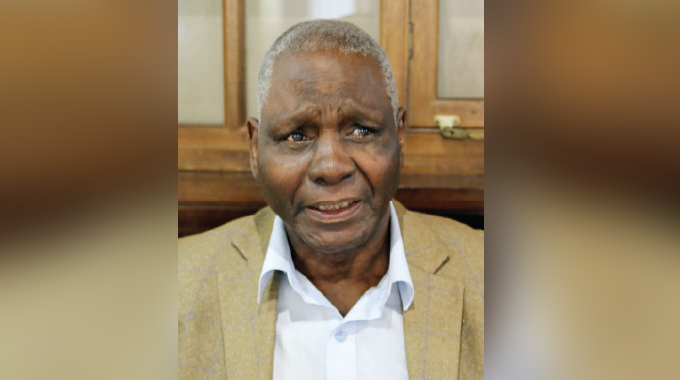
This was said by Justice, Legal and Parliamentary Affairs Minister, Ziyambi Ziyambi said while steering the Medical Services Amendment Bill during the second reading stage in the National Assembly on Tuesday.
He said the Bill sought to align the Medical Services Act with the fundamental principles enshrined in the Constitution.
“This Bill, Mr Speaker Sir, is a testament to our commitment ensuring that every citizen and permanent resident of our nation has access to essential health services. “The memorandum accompanying this Bill clearly outlines its primary objective, that is to uphold constitutional rights related to health and these rights are clearly stipulated in the Constitution,” he said.
Minister Ziyambi said Clause 9 of the Bill proposes amendments to the principal Act regarding fees and charges at private health institutions. “Subsection 1 stated that no responsible authority at a private hospital should impose fees above a prescribed amount or increase them by more than a prescribed percentage except with the approval of the minister. It also included a proviso that paragraph A, imposing fees above a prescribed amount, would not apply to fees already being charged immediately before a fixed date.
“The amendment in this Bill repeals this proviso. Fees and charges at private health institutions, regardless of when they were first introduced, will be subject to the prescribed maximums and percentage increases unless specifically approved by the Minister.
“This change ensures greater oversight and control over the cost of private healthcare, aiming to protect patients from exorbitant charges,” Minister Ziyambi said.
He added that Clause 10 of the Bill empowers the Minister to make regulations concerning health care for children, persons with chronic illnesses, veterans of the liberation struggle and persons with disabilities.
“It also provides for the establishment of health care packages at various service level platforms and the formation of the National Consultative Health Forum for public consultation,” he said.
Other notable provisions in the Bill include Clause 7, which extends the grounds of non-discrimination in healthcare, aligning with Section 56, Subsection 3 of the Constitution and reinforces Government’s commitment to inclusive healthcare for all.
“Perhaps, Mr Speaker, one of the most impactful provisions is the new Section 12(a), inserted by Clause 8, which prohibits the refusal of emergency medical treatment by private health institutions, aligning with Section 76, Subsection 3 of the Constitution.
“This mandates private institutions to admit patients suffering from life-threatening conditions for a period of not less than 48 hours for stabilisation, even if they cannot afford treatment.
“This is a lifeline for many and the Bill also allows for agreements between the Minister and private institutions for cost recovery,” he said.
Minister Ziyambi said Bill was a progressive and essential piece of legislation that strengthens the country’s legal framework, ensuring that health care is not a privilege but accessible to all.