Online Reporter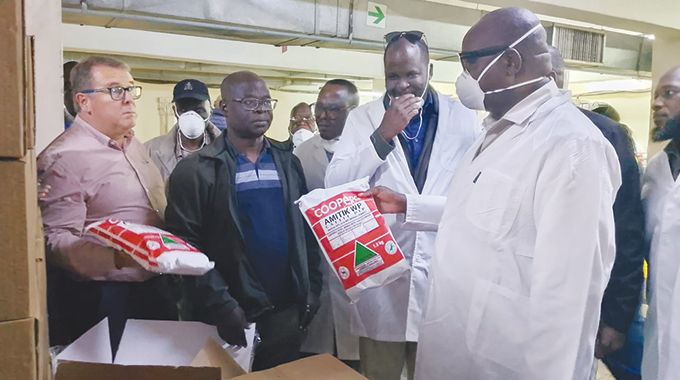
Sikhumbuzo Moyo, [email protected]
THE Government has released US$2 million to livestock chemical suppliers to boost production of acaricides used in the national cattle dipping programme as part of efforts to intensify curbing tick-borne diseases during the peak rainy season and safeguard the country’s livestock productivity.
With rainfall driving a surge in tick populations, the Department of Veterinary Services has intensified dipping as the first line of defence against production-limiting and economically devastating diseases such as theileriosis, heartwater, anaplasmosis (gallsickness) and babesiosis (redwater).
Since the beginning of the summer cropping season, Zimbabwe has lost approximately 10 000 cattle to tick-borne diseases, underlining the urgent need for sustained and co-ordinated dipping interventions.
The availability of acaricides, therefore, strengthens the Integrated Tick and Tick-Borne Disease Control Programme, which places vector control at the centre of disease management.
The strategy has already saved countless animals and will continue to reduce mortalities by up to 80 percent where vaccination is promptly applied.
The release of funds comes as the Government has intensified efforts to contain the diseases affecting the national herd, targeting the procurement and distribution of close to 200 tonnes of dipping chemicals over the next three months
Speaking during a tour of Coopers Zimbabwe, a leading animal health products manufacturer and distributor in Bulawayo yesterday, Lands, Agriculture, Fisheries, Water and Rural Development Deputy Minister Davis Marapira said the country has enough acaricide stocks as manufacturers continue producing more to meet national demand.
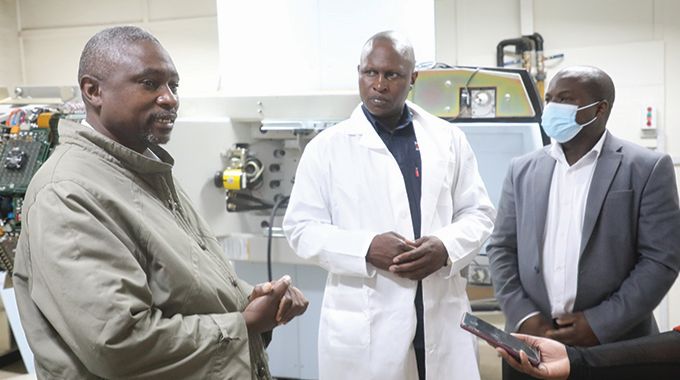
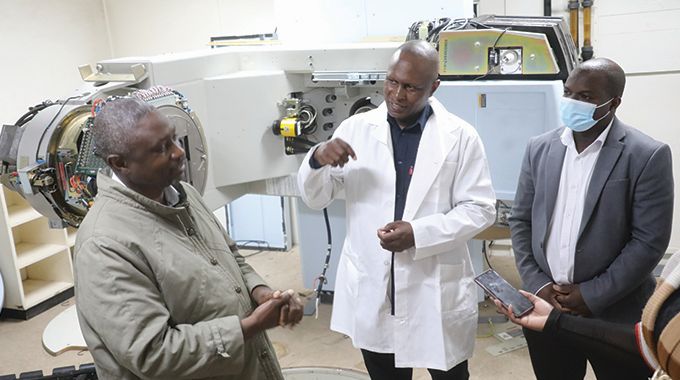
He said the release of funds by the Treasury is expected to help suppliers scale up production to ensure the chemical reaches dipping facilities across the country, starting this week.
“We are here to check the level of production of acaricides meant for dipping livestock in our rural communities. I am happy that we have enough product, which will carry us for the next two weeks, with the manufacturer continuing with production,” said Dep Minister Marapira.
He assured farmers that supplies of the chemical will soon be available at community dipping points.
“We want to promise our farmers that help is coming, acaricides will be in their communities starting from this week,” said Dep Minister Marapira.
Farmers were also urged to play their part in sustaining the programme by contributing towards the dipping levy, which is pegged at US$2 per animal per year, while the Government supplements with an additional US$1 per animal.
“I am happy that in the past two weeks, US$2 million was released by the Treasury meant for our suppliers, even though it is what was collected last year. If our farmers can give us more, the suppliers will also be able to produce the chemical as per requirement,” said Dep Minister Marapira.
This strategic investment is designed to unlock production lines at domestic firms like Coopers Zimbabwe to ensure bulk availability, stabilise the supply chain for over 4 211 communal dip tanks nationwide
Dep Minister Marapira urged farmers to religiously adhere to livestock dipping schedules to safeguard their herds from tick-borne diseases, which continue to threaten cattle production in many rural areas.
Government has also committed to ensuring that livestock remain a critical and secure “walking bank” for Zimbabwean farmers.
The high-risk areas include Masvingo, Midlands, Matabeleland North and Matabeleland South.
Beyond tick-borne diseases, Government continues to monitor major transboundary and zoonotic threats such as foot-and-mouth disease, Newcastle disease and rabies.
Rabies remains a particular concern in urban areas and communities bordering conservancies and national parks, where jackals act as a key reservoir. Vaccination campaigns are ongoing to protect both human and animal populations.
Livestock plays a vital role in Zimbabwe’s agricultural economy, providing draught power, meat, milk and a critical source of wealth for rural households.
The Government has therefore stepped up efforts to ensure consistent dipping of cattle at community dip tanks, with regular supplies of chemicals and increased monitoring of dipping programmes.
Under the National Development Strategy Two (NDS2), the country is aiming to grow the herd to achieve national nutrition security and grow rural economies.

Foot and mouth disease is another highly contagious viral infection that affects cattle, sheep, goats and pigs, causing fever, blisters in the mouth and hooves, reduced milk production and in severe cases death, a development that can lead to devastating economic loss for the farmers and disrupt the national livestock industry.
In 2025, over 60 000 communal cattle were vaccinated against Theileriosis in identified hotspots, while 40 000 received inoculations for Babesiosis and Anaplasmosis.
To ensure all dip tanks remain functional, the Government is rehabilitating 200 existing facilities, constructing 40 new tanks and providing boreholes at strategic points to guarantee water availability.
Trained veterinary extension officers are stationed at the ward level to guide farmers and respond rapidly to disease outbreaks.