Online Reporter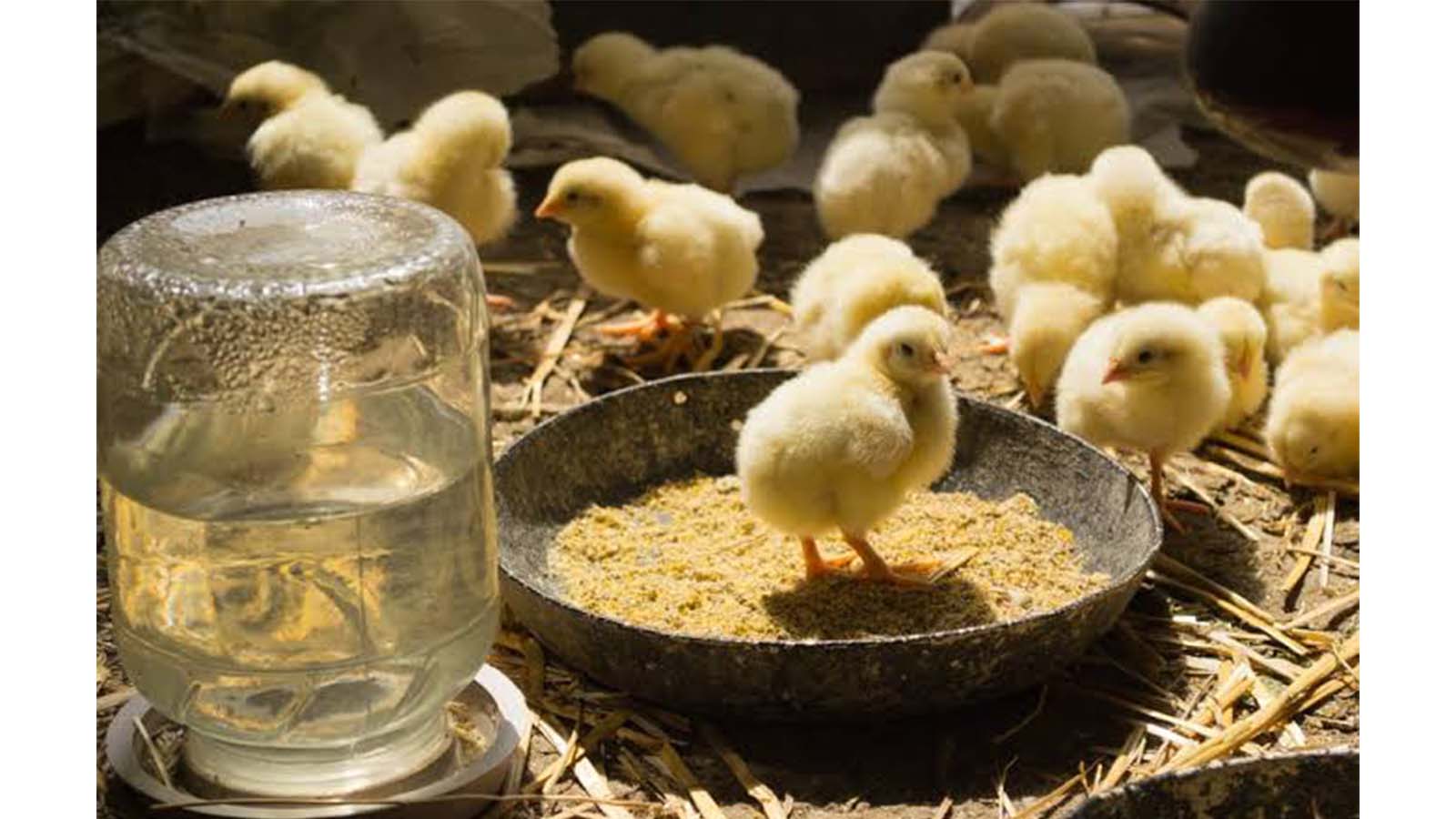
Tawanda Musarurwa
GOVERNMENT has repealed Livestock Development Levy Regulations, effectively removing the statutory framework that has governed the levy on key livestock-sector activities since 2017.
The repeal was effected through Statutory Instrument 139 of 2026, which was published in a Government Gazette Supplement dated August 21, 2026.
The new regulations, cited as the Agricultural Marketing Authority (Livestock Development Levy) (Repeal) Regulations, 2026, were made by the Minister of Agriculture, Mechanisation and Water Resources Development under section 50 of the Agricultural Marketing Authority Act (Chapter 18:24).
The instrument consists of two substantive provisions, with the second repealing the Agricultural Marketing Authority (Livestock Development Levy) Regulations, 2017, which were introduced through Statutory Instrument 129 of 2017.
The move brings to an end the regulatory instrument under which levies were imposed on producers of day-old chicks, buyers of raw milk and cattle slaughtering businesses.
Under the 2017 regulations, producers of day-old chicks were required to pay US$0,01 per chick, buyers of raw milk US$0,01 per litre, while abattoirs were required to pay US$10 per animal slaughtered, based on the value of the animal’s fifth quarter.
The levy was collected into three sub-funds – beef, dairy and poultry – under the Agricultural Marketing Fund. Its stated purpose was to finance livestock-sector development activities, including animal disease surveillance and control, research, livestock grading and classification, orderly marketing, veterinary infrastructure and sustainable animal husbandry.
The repeal therefore marks a significant policy change in the financing of livestock development and comes after years of debate over the levy, including concerns from sections of the industry about its cost and effectiveness.
The Livestock and Meat Advisory Council previously reported concerns among livestock-sector participants over the levy, including its impact on the cost of doing business and questions about the benefits derived from the charges.
At the same time, the Agricultural Marketing Authority had defended the levy as an important source of support for the livestock industry.
In 2024, AMA said the levy was intended to complement Government programmes aimed at rebuilding the national herd and combating livestock diseases, particularly tick-borne diseases. The authority also said resources from the levy were important for veterinary infrastructure and disease-control interventions.
The repeal is particularly significant for the livestock sector because Zimbabwe continues to face animal-health challenges that can affect herd numbers, productivity and the viability of livestock production.
However, SI 139 of 2026 itself does not state why Government has repealed the 2017 regulations, whether an alternative livestock-development financing mechanism will replace the levy, or what will happen to funds already collected under the previous regime.
The policy implications could therefore depend on whether the Government intends to replace the levy with another funding mechanism or absorb livestock-development programmes into existing public-sector financing.
The repeal also removes the specific statutory basis for the charges created under SI 129 of 2017. That instrument had provided for the collection and remittance of the levy and prescribed penalties for failure to pay, collect or remit it.
For livestock producers and processors, the immediate significance is the removal of a levy that had been part of the industry’s regulatory and cost structure for almost nine years.