

 Online Reporter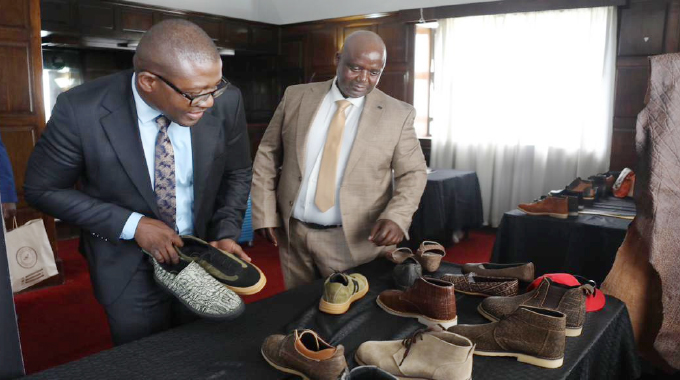
Judith Phiri, [email protected]
GOVERNMENT has said Bulawayo is strategically positioned to play a leading role in revitalising Zimbabwe’s leather sector and restoring vibrancy across its value chain.
The assertion comes as the country intensifies efforts and implements a number of high priority initiatives aimed at rejuvenating the leather industry, shifting away from the export of raw hides towards the production of high value finished products.
These initiatives are anchored on the Zimbabwe Leather Sector Strategy (2021–2030), which targets an increase in capacity utilisation from the current 30 percent to 75 percent by 2030.
In a speech read on her behalf by Principal Development Economist Mr Tawanda Chikomo at the recent Zimbabwe Leather Value Chain Stakeholders’ Workshop in Bulawayo, Minister of State for Bulawayo Provincial Affairs and Devolution, Judith Ncube, said the city — historically recognised as Zimbabwe’s industrial hub — occupies a central position in the national leather sector revival agenda.
“Bulawayo is strategically positioned to play a leading role in revitalising the leather sector and rejuvenating value chain. With its existing industrial infrastructure, skilled workforce and proximity to livestock rich regions, the province possesses all the key elements required to anchor the growth of a vibrant and competitive leather industry,” she said.
Minister Ncube said collaboration among stakeholders was critical in driving industrial development, adding that the workshop’s theme, “Strengthening Collaboration to Address Systemic Bottlenecks and Unlock Inclusive Growth in the Leather Value Chain,” spoke directly to national priorities of industrialisation, value addition and economic transformation.
The leather sector continues to face several challenges, including limited access to quality raw materials, outdated machinery, inadequate financing, skills shortages and fragmented coordination among key players.
“Addressing these bottlenecks requires a collective and well coordinated effort from Government, industry, financial institutions and development partners. This workshop, therefore, comes at a critical time, providing a platform for open dialogue, knowledge sharing and the development of practical, actionable solutions to unlock the full potential of the leather value chain,” she said.
Minister Ncube said Government remains fully committed to creating an enabling environment for industrial growth, adding that through the devolution agenda, provinces are being empowered to leverage their unique economic strengths to drive decentralised development.
“In this regard, Bulawayo Metropolitan Province stands ready to support initiatives that promote value addition, beneficiation and inclusive industrial growth. Let us move beyond dialogue and focus on implementation,” she said.
African Leather and Leather Products Institute (ALLPI) executive director Mr Nicholas Mudungwe also stressed the need for collaboration among Zimbabwe’s leather sector players to address persistent challenges such as poor quality and low capacity utilisation.
“If we go to economic history, you will notice that all countries that have developed, that are now the first world, they use the leather and textile sectors to build a foundation for growth and development. So, if we cannot develop the leather and textile sectors as well as the clothing value chain, we will never have a foundation,” he said.
Mr Mudungwe called for the revival and development of Zimbabwe’s leather industry, noting that it was once a producer of high quality products for global markets.
“The most important thing that is difficult to replace is the human element. The technology is absolute. I think most of the machines in the factories, some are more than 70 years old, but we are lucky that we still have people like who have been in the sector for a while as the brains. As you aware software is more important than the hardware, so let us utilise that software that is still available,” he said.
The two day workshop ran under the theme “Strengthening Collaboration to Address Systemic Bottlenecks and Unlock Inclusive Growth in the Leather Value Chain” and was organised by ALLPI.
The leather value chain is regarded as a strategic industrial sector with significant potential to contribute to value addition, employment creation, export diversification and inclusive economic growth.
However, despite Africa’s vast livestock resource base, the sector continues to face persistent structural challenges across raw material supply, processing, manufacturing, standards compliance, trade, investment and market access.


