Judith Phiri and Nqobile Bhebhe, Zimpapers Business Hub
Finance, Economic Development and Investment Promotion Minister, Professor Mthuli Ncube, has highlighted that the Government will be able to issue long-term bonds once annual inflation falls into single digits in 2026.
Long-term bonds in Zimbabwe are debt instruments issued by the Government, such as Treasury bonds, or through institutions like the Infrastructure Development Bank of Zimbabwe (IDBZ) for financing infrastructure projects. They typically have tenors ranging from three to seven years or longer, offering higher returns than money market instruments, though with varying credit risks. These instruments are accessible through banks or investment funds and are used for capital preservation and income generation.
The annual local currency inflation is projected to reach single-digit levels by the first quarter of next year, a milestone not achieved since 1997.
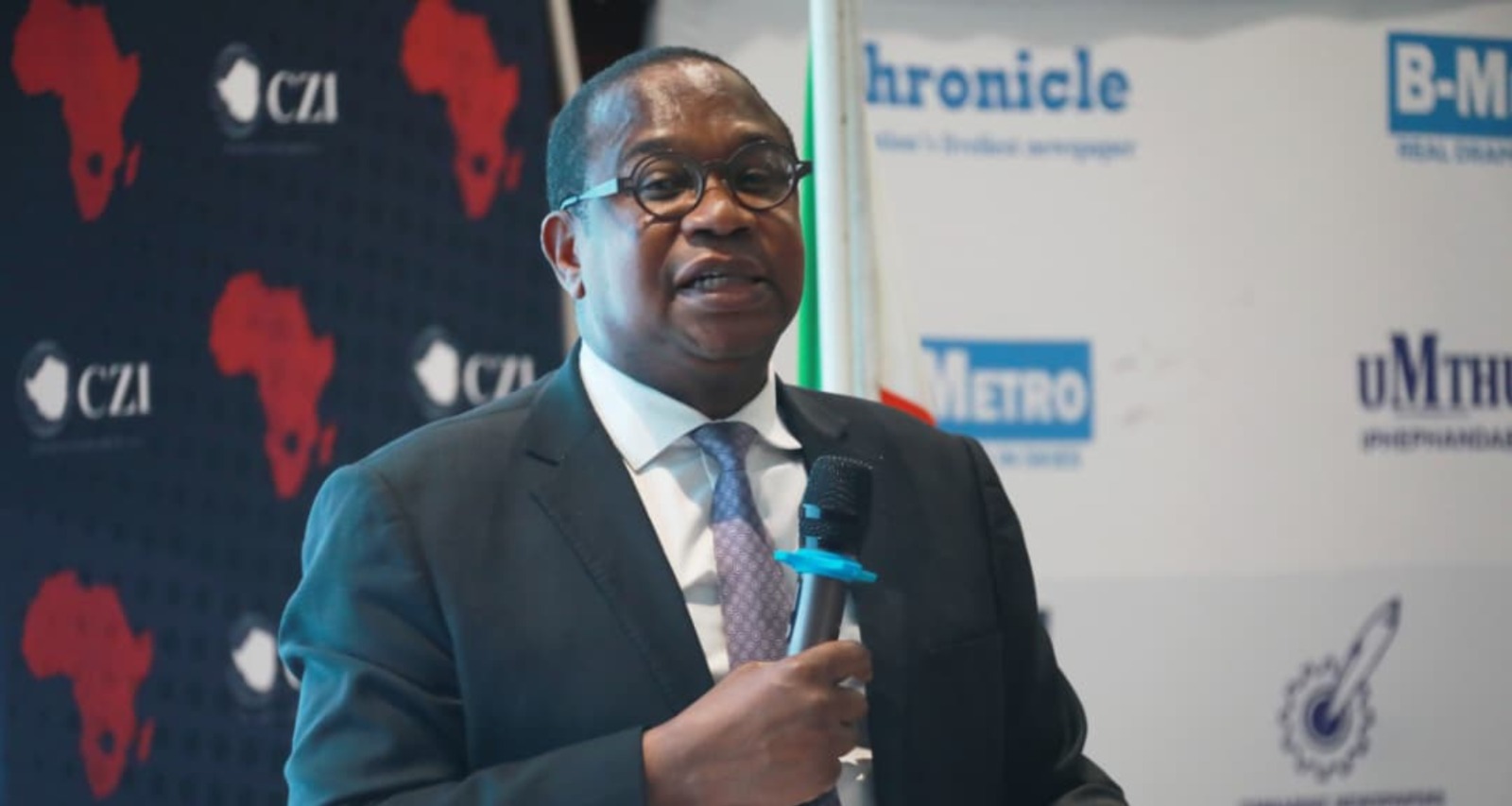
Speaking at the 2026 Post-Budget Breakfast Meeting in Bulawayo, Prof Ncube expressed strong confidence in Zimbabwe’s economic outlook. He said inflation is expected to fall to around 10 percent by the end of this year, paving the way for the crucial drop into single digits in early 2026.
The Minister also hinted that Government is expected to announce a series of telecommunications sector reforms tomorrow as part of the ongoing ease of doing business drive.
“We should have completed all sectors in ease of doing business by the first quarter of 2026. We will do mining last; we want to take our time,” he said.
He added that the banking sector reforms are also forthcoming, acknowledging impatience over statutory instruments. “I know most of you are now impatient with Statutory Instruments. This is a complex issue, but they are coming,” Prof Ncube said.