Online Reporter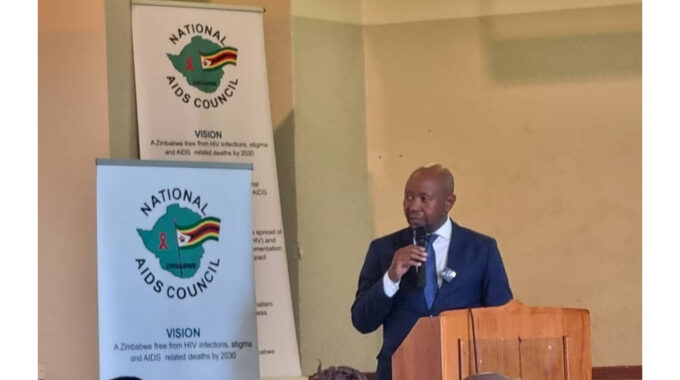
Rumbidzayi Zinyuke
THE Ministry of Health and Child Care is planning wide-ranging reforms to Zimbabwe’s blood supply system aimed at improving access and affordability — particularly in public hospitals — amid growing concern over high costs and persistent shortages of blood products.
In an interview, Health and Child Care Permanent Secretary Dr Aspect Maunganidze said the Government remained committed to ensuring that no patient loses their life simply because they cannot afford a unit of blood.
He outlined several reforms already underway to address deep-rooted challenges in the country’s blood supply chain.
“We are seized with the issue of blood availability in our hospitals. There are ongoing consultations to review the operating model of NBSZ, with a focus on transparency, affordability, and broader stakeholder representation. The Ministry is committed to ensuring that blood services operate in the public interest,” he said.
In the short term, Dr Maunganidze said the Government was intensifying public awareness and mobile blood donation campaigns to secure a steady supply of blood across the country.
Over the long term, however, structural reforms are being pursued to improve the governance and financing of blood services — ultimately aimed at enhancing affordability and accountability.
He explained that recurring shortages were largely driven by seasonal declines in donations — especially during school holidays when student donors, who make up the bulk of the donor base, are unavailable. These shortages are compounded by logistical hurdles in the collection, processing, storage, and distribution of blood products.
Dr Maunganidze also emphasised that the timely release of funds to support the entire chain — from safe collection to transfusion — was essential in ensuring uninterrupted supply.
To mitigate these challenges, the Government is expanding mobile blood drives and awareness programmes to help maintain adequate reserves year-round.
Addressing concerns over the high cost of blood — which continues to put life-saving transfusions out of reach for many low-income patients — Dr Maunganidze reiterated that blood was free in public hospitals through a Government-funded coupon system. While the full cost of a pint of blood is estimated at around US$250, the subsidy covers the entire amount. However, patients in private health care have to pay out of pocket if they do not have medical insurance.
“No patient in public hospitals should pay for blood. This subsidy is part of our commitment to universal health access, particularly for patients in critical need. We are, however, working on reducing the cost of blood so as to ease the burden on the fiscus,” he said.
He added that the Government was strengthening the subsidy system while exploring public-private partnerships and donor support to cover the high costs of testing, screening, and processing. This strategy is aimed at guaranteeing that no public patient pays out of pocket for blood — especially in emergencies.
The ministry is also pushing for long-term structural reforms to improve governance and pricing in Zimbabwe’s blood services. A key focus is reviewing the operating model of the National Blood Service Zimbabwe (NBSZ), which is an independent private entity responsible for most of the country’s blood collection and distribution.
Although NBSZ operates without Government shareholding, Dr Maunganidze stressed that the Ministry exercised policy oversight to ensure ethical, transparent, and patient-focused service delivery.
“This is meant to protect the public from overpricing and other potential risks associated with unsafe blood transfusion. While NBSZ operates independently, the ministry is involved in monitoring pricing, quality standards, and service equity — particularly for public patients,” he said.
Consultations are ongoing to broaden stakeholder representation within NBSZ and to ensure its policies and pricing reflect national health priorities.
Alongside strengthening subsidy mechanisms, the ministry is actively exploring funding partnerships and donor engagement to secure sustainable financing for the testing, processing, and distribution of blood products in the public health sector.
Dr Maunganidze reaffirmed that the Government’s ultimate goal was to prevent avoidable deaths due to lack of access to safe blood.
“To any family that has lost a loved one because of the high cost of blood — we share in your pain and grief,” he said.
“It is precisely why the Government has committed to providing blood for free in public hospitals. We are working tirelessly to make sure this promise is fully realised across the country.”