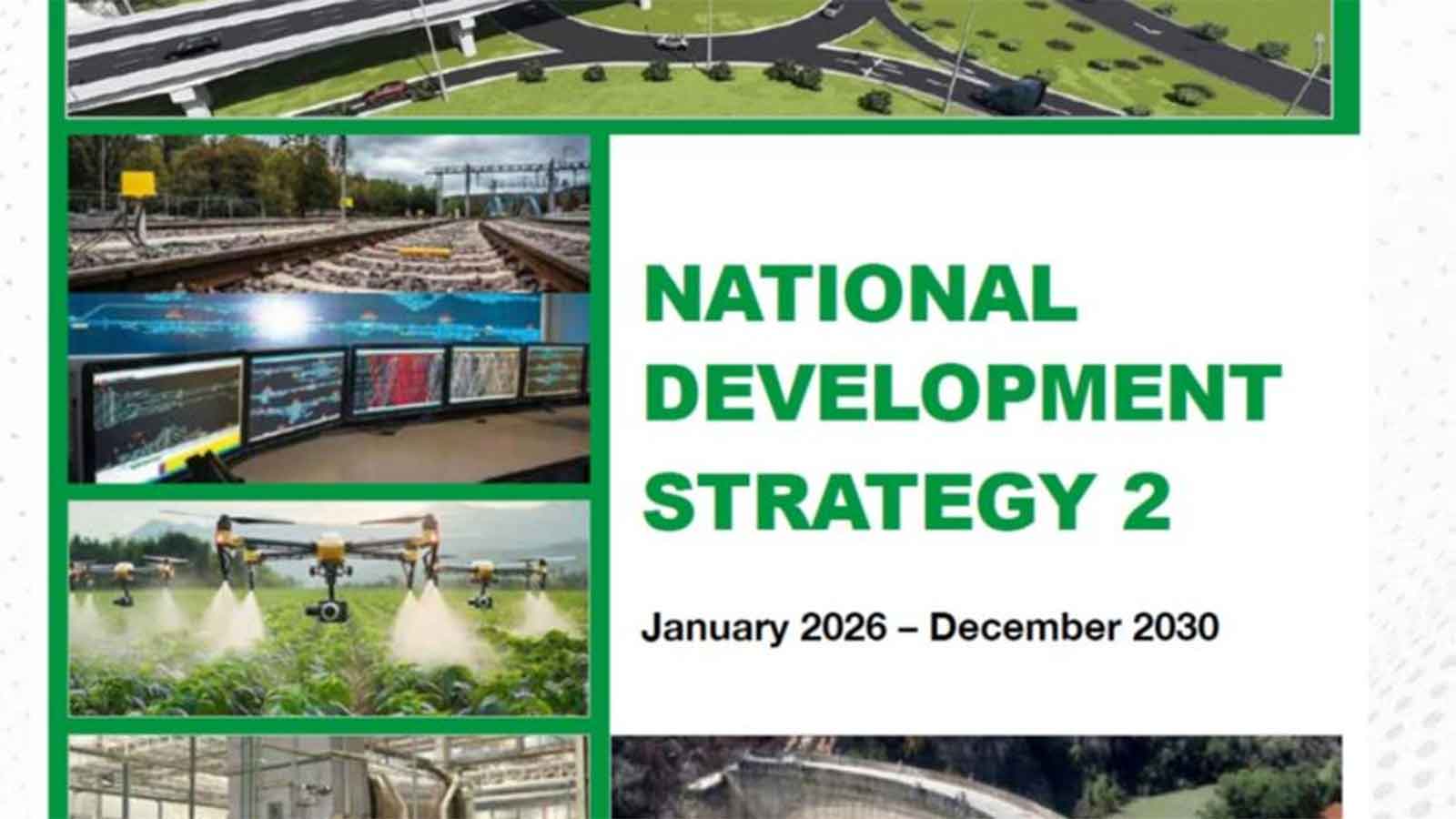
GOVERNMENT’S decision to pursue a comprehensive Urban Policy under the National Development Strategy 2 (NDS2) marks a timely and necessary intervention in Zimbabwe’s development trajectory. For decades, the condition of many of the country’s urban centres has stood in stark contrast to their economic potential. Ageing infrastructure, unchecked urban sprawl and underutilised central business districts have constrained productivity and diminished the quality of urban life. The new blueprint signals a clear intention to reverse this decline and reposition cities as engines of inclusive growth.
Urban renewal is not merely an aesthetic exercise. Well planned cities are central to economic competitiveness, investment attraction and social cohesion. By committing to smart technologies, sustainable construction and universal access to services such as housing, transport, energy and sanitation, Government is laying the groundwork for cities that work for people and businesses alike.
Modern urban environments reduce the cost of doing business, support innovation and improve labour productivity, all of which feed directly into national economic performance.
The emphasis on repurposing underutilised buildings in central business districts is particularly welcome. Across Zimbabwe, prime urban property lies dormant, even as housing shortages persist and informal settlements expand. Mixed use developments that combine residential, commercial and recreational spaces can restore vitality to city centres, boost rental markets and create new employment opportunities. Revitalised CBDs also reduce long commuting distances, cutting congestion and transport costs while improving work life balance for residents.
International experience shows that such approaches yield tangible dividends. In Rwanda, the modernisation of Kigali through compact development, strict planning standards and green building policies transformed the city into one of Africa’s most liveable capitals, attracting tourism, conferences and foreign investment. Ethiopia’s urban renewal initiatives in Addis Ababa, including the regeneration of inner city areas and investment in light rail transport, have stimulated industrial growth and improved urban mobility. South Korea, after decades of rapid urbanisation, famously restored Seoul’s Cheonggyecheon stream, replacing a concrete overpass with green public space, resulting in higher property values, improved environmental quality and increased citizen well-being.
Closer to home, South Africa’s inner city regeneration projects in parts of Johannesburg and Cape Town demonstrate how densification and adaptive reuse of buildings can revive once declining urban cores, supporting small businesses and creative industries. These examples underscore a simple truth: cities that plan deliberately tend to prosper.
Zimbabwe’s commitment to urban densification under NDS2 reflects an understanding that horizontal expansion is unsustainable. Densification preserves agricultural land, lowers infrastructure costs and facilitates efficient service delivery. High rise flats, cluster housing and mixed use developments not only optimise limited urban land but also promote social integration. When accompanied by quality public spaces and reliable services, densification enhances both the functionality and the visual appeal of towns and cities.
The focus on smart construction methods such as prefabrication and modular housing is equally significant. These approaches reduce construction timelines, lower costs and allow for greater quality control. By prioritising locally produced building materials, Government is also stimulating domestic industry, supporting value chains and creating jobs. This approach strengthens economic linkages while ensuring that urban development remains affordable and context appropriate.
Beyond economic gains, modernised urban areas directly improve citizens’ quality of life. Reliable water and sanitation systems reduce disease, efficient transport networks ease daily commuting, and well designed housing fosters dignity and safety. Smart, sustainable cities are more resilient to climate shocks and better prepared to serve future generations.
The success of this ambitious agenda will depend on disciplined implementation, strong coordination between national and local authorities, and meaningful private sector participation. Urban renewal must be inclusive, ensuring that low income households, informal traders and small enterprises are integrated into formal urban economies rather than displaced by progress.
Nevertheless, Government deserves commendation for recognising that national development begins where people live, work and interact. By modernising urban areas through a coherent, forward looking policy framework, Zimbabwe is taking a decisive step towards building cities that are not only functional and attractive, but economically productive and socially inclusive. In doing so, the country affirms that sustainable urban development is not a luxury, but a foundation for long term prosperity and shared national progress.