admin
admin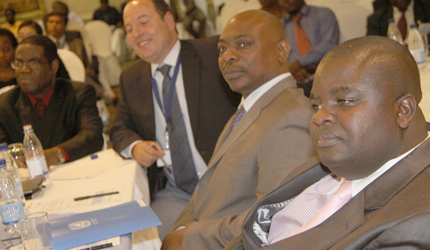
a Cabinet minister has said.
Officially opening the United Nations Day symposium in Harare yesterday, Economic Planning and Investment Promotion Minister Tapiwa Mashakada said Government was working hard to create jobs and restore the economy’s capacity to produce goods and services competitively.
“One of the biggest challenges facing Zimbabwe is the high incidence of poverty.
“The Government of Zimbabwe’s major goal is therefore to transform the economy with a view to reduce poverty, create jobs, maintain macro-economic stability, restore the economy’s capacity to produce goods and services competitively to achieve environmental sustainability,” he said.
Minister Mashakada said Government’s Medium Term Plan 2011-2015 was aimed at transforming Zimbabwe’s economy.
“As such the Medium Term Plan, our national development blueprint, aims at economic and social transformation of the country.
“The plan clearly guides all other Government policy documents, the national budget and sets out clearly the national priorities and investment opportunities and programme.”
He said Zimbabwe was still in the early stages of integrating its industrial, social and economic sectors.
“I believe this forum will provide an opportunity for all stakeholders on how we can capitalise on each other’s experience, knowledge, resources and forge strong partnership as we map a way forward,” Minister Mashakada said.
The minister said it was Government’s desire that Zimbabwe becomes a green economy promoting economic growth.
Minister Mashakada highlighted the co-operation between Government and the United Nations pledging to continue working together with the international organisation.
Minister Mashakada said the main target of the MTP was to ensure that the economy remained on a sustainable growth path.
UN resident and humanitarian co-coordinator Mr Alain Noudehou said the day was marked to celebrate the 67th Anniversary of the founding of the UN.
He commended the Zimbabwean Government for implementing the sustainable development agenda.
“The Government of Zimbabwe has indeed underlined that the implementation of the sustainable development agenda should be mainstreamed into key development programmes through its Medium Term Plan,” he said.
He said Zimbabwe was facing several challenges including limited access to clean water, lack of access to energy and high unemployment.
“These challenges can lead to persistent food insecurity, diseases, environmental degradation, social instability and ultimately to delayed development.
“Therefore the country’s ability to reduce the current access to energy gaps and the level of unemployment would greatly contribute to Zimbabwe’s ability to reach its sustainable and human development potential,” he said.
Mr Noudehou said the UN was committed to supporting Zimbabwe in pursuing its national sustainable development objectives.
“Our assistance will continue to be provided through the Zimbabwe United Nations Development Assistance Framework on sustainable development growth, basic social services, good governance, food security, gender equality, environment management and agriculture as well as fighting HIV and Aids ” he said.
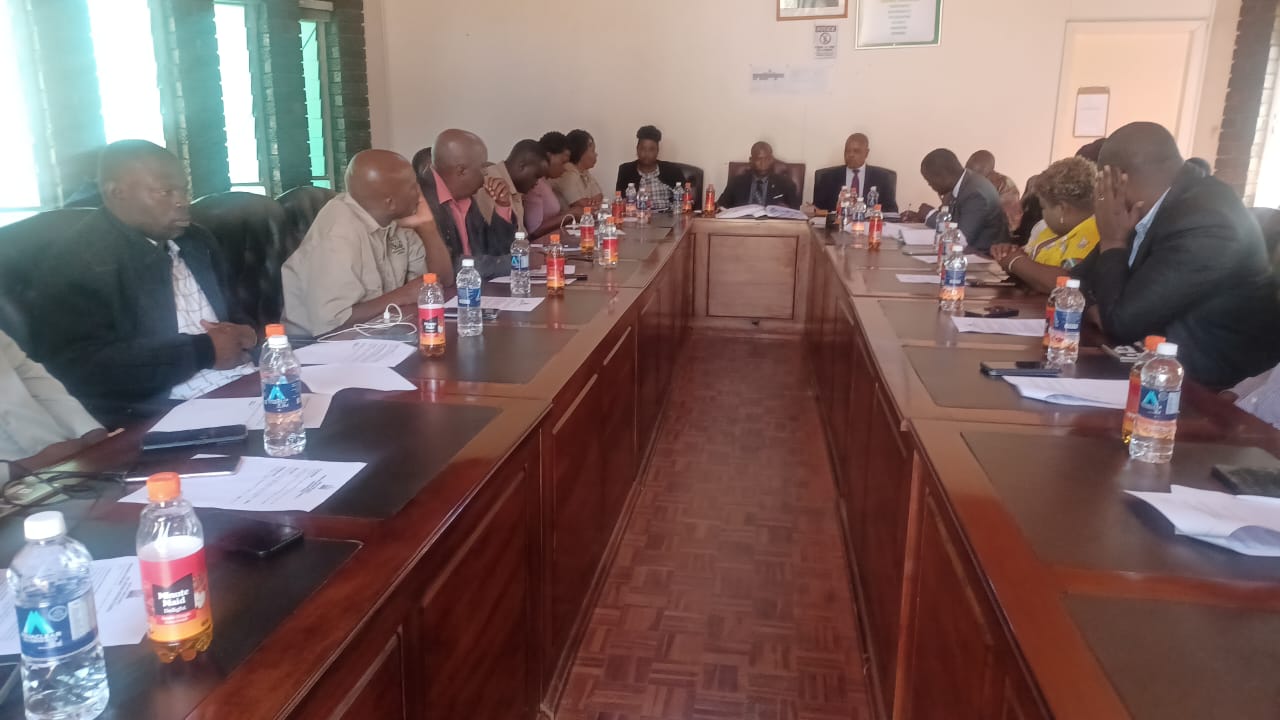
The key objective of the symposium under the theme “Green Economy for Sustainable Development and Poverty Eradication” was to raise awareness among stakeholders on the need for a green economy to accelerate the progress towards MDGs.
A green economy would result in improved human wellbeing and social equality while significantly reducing environmental risks and ecological scarcities.


 Online Reporter