dyton mupawaenda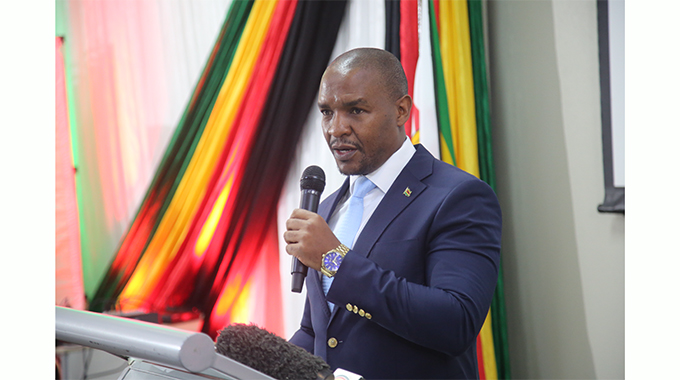
Freeman Razemba-Senior Reporter
More than 50 000km of roads have been rehabilitated while 2 000 structures have been attended to since the start of the Emergency Road Rehabilitation Programme (ERRP2) in 2021
Zimbabwe has an estimated road network of 84 000km, out of which 93 percent was in fair or poor condition and in need of rehabilitation or periodic maintenance. Government is also in the process of negotiating with potential investors for the rehabilitation of some of the country’s roads.
Soon, Government is expected to roll-out another massive road restoration exercise targeting not only highways, but those roads in communities and other feeder roads to ensure no one and no place is left behind.
In a statement this week, the Ministry of Transport and Infrastructural Development said infrastructure development and road rehabilitation continues countrywide.
Road marking was also in progress on Chitungwiza road rehabilitation, and another 2,5km stretch was under base compaction on the same road.
The Ministry said seal coating was in progress on the Bulawayo-Beitbridge road particularly at the Makado section. Recently, about 5km were opened to traffic on the Beitbridge-Bulawayo-Victoria Falls Road rehabilitation at the Hwange Section.
The reconstruction of an 8km stretch of Alpes Road in northern Harare was also done through CMED (Private) Limited and the Government has moved on to repair and reconstruct other roads in residential areas countrywide.
Alpes Road, which stretches for about 17km up to Hatcliffe Extension was rehabilitated after the Government bought equipment to rehabilitate roads in urban areas. The remaining 9km will also be reconstructed.
CMED has also implemented a number of road projects throughout the country since the Construction and Civil Works Unit began operations in March 2021.
This month, Transport and Infrastructural Development Minister Felix Mhona said negotiations between the Government and a potential investor for the rehabilitation of the Harare-Nyamapanda Highway and the Nyamapanda Border Post were underway.
The 235,8km Harare-Nyamapanda highway, which links Zimbabwe with Mozambique and Malawi, has been affected by an increase in traffic, especially haulage trucks transporting black granite from Murehwa and Mutoko.
Government has prioritised rehabilitation of major highways that include the Harare-Masvingo-Beitbridge highway, where the rebuilding is almost complete, and now the Harare-Chirundu highway, the northern leg of the same main north-south highway.
The Harare-Mutare dualisation is also in progress, with a 46km stretch between Harare and Marondera already completed and opened to traffic.
Many other key highways are being rehabilitated, including the Beitbridge-Bulawayo-Victoria Falls highway, as good roads are critical for the movement of goods.
Infrastructure development is at the heart of the Second Republic, which is in line with the aspiration of attaining an empowered upper middle income society.


 Online Reporter