Online Reporter
Ivan Zhakata
Herald Correspondent
GOVERNMENT and education stakeholders have called for strengthened disability-inclusive policies and institutional reforms.
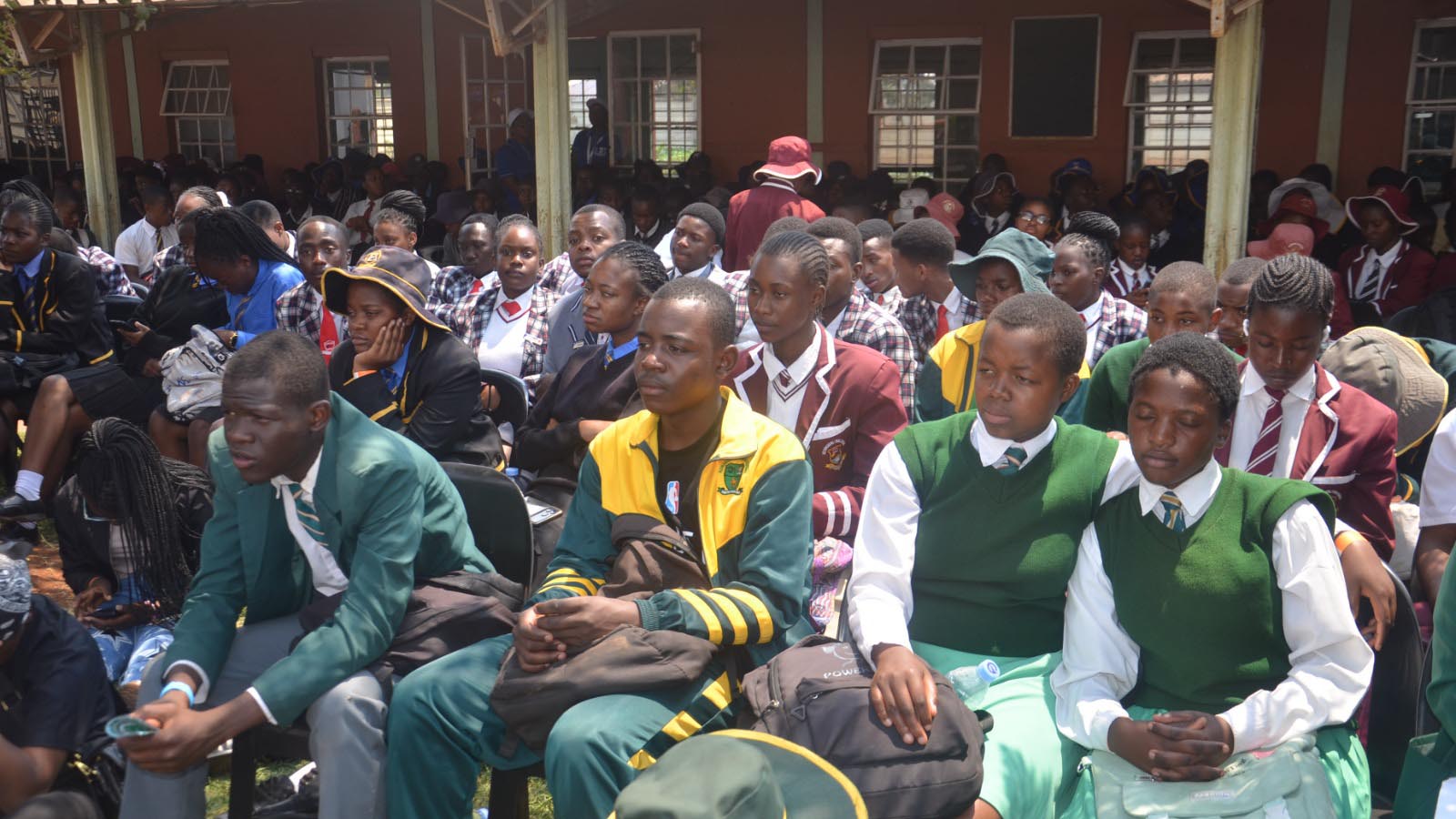
Speaking ahead of the International Day of Persons with Disabilities held at Danhiko Industrial Training College and organised by FAWEZI, Mrs Kundayi Kamutseta, Human Capital, Planning and Skills Development Officer in the Ministry of Higher and Tertiary Education, said persons with disabilities should have expanded access to education and skills development.
“Today we celebrate the leadership of persons with disabilities in education and skills development,” she said.
“Their resilience and innovation remind us that disability is not an inability. As a ministry, we are committed to promoting disability inclusion through science, technology and education.”
She said upcoming ministry initiatives included creating more opportunities for indigenous communities, increasing access to international education platforms and strengthening local institutions to support disability inclusion.
Mr Tafadzwa Mapolisa of the Tertiary Education Services Council said the commemorations provided a practical platform for institutions to address inequalities.
“This workshop allows us to update and expand perspectives on employment and leadership,” he said.
“It is about understanding the challenges faced by women, particularly in the education sector, and dismantling barriers.”
He said tertiary institutions must build structures that guarantee equity and diversity in leadership and reflect the communities they serve.
Danhiko Industrial Training College principal Mrs Flora Jaure said the institution continues to equip persons with disabilities with technical and vocational skills aligned with national development goals.
“Our college is committed to creating an inclusive environment that empowers students with physical disabilities to thrive,” she said.
“We provide training in Information Technology, Clothing Design Technology, Electrical Installation, Wood Technology, entrepreneurship and life skills.”
She said Danhiko had operated on inclusive principles since its establishment in 1981, supported by universal design infrastructure and assistive devices.
Vision Ability Zimbabwe director Dr Deborah Tigere said disability inclusion required coordinated action beyond commemorations.
“FAWEZI works to remove financial, social and institutional barriers is central to inclusive development,” she said.
“We call for continued collaboration and strong alliances to ensure no person with a disability is left behind.”
Leonard Cheshire Disability project officer, Mr Martin James, said disability inclusion must be embedded in economic and institutional planning.
“We expect a system where accessibility is not an afterthought but a foundation. Disability is not inability.”
The event included exhibitions by students showcasing technical skills and innovations developed through disability-inclusive training programmes.