Online Reporter
Sunday Mail Reporter
AS part of sweeping new measures to overhaul the country’s road accident compensation system, the Government is fast-tracking the establishment of a State-administered Road Accident Fund (RAF) to guarantee faster medical and financial assistance to crash victims without requiring them to prove who was at fault.
There is growing concern over continued carnage on the country’s roads.
A head-on collision involving a commuter omnibus and a haulage truck on August 28 along the Harare-Masvingo highway claimed 28 lives and injured six others.
President Mnangagwa subsequently declared it a State of Disaster.
Preliminary police investigations indicated that the haulage truck was attempting to overtake another vehicle when the accident occurred.
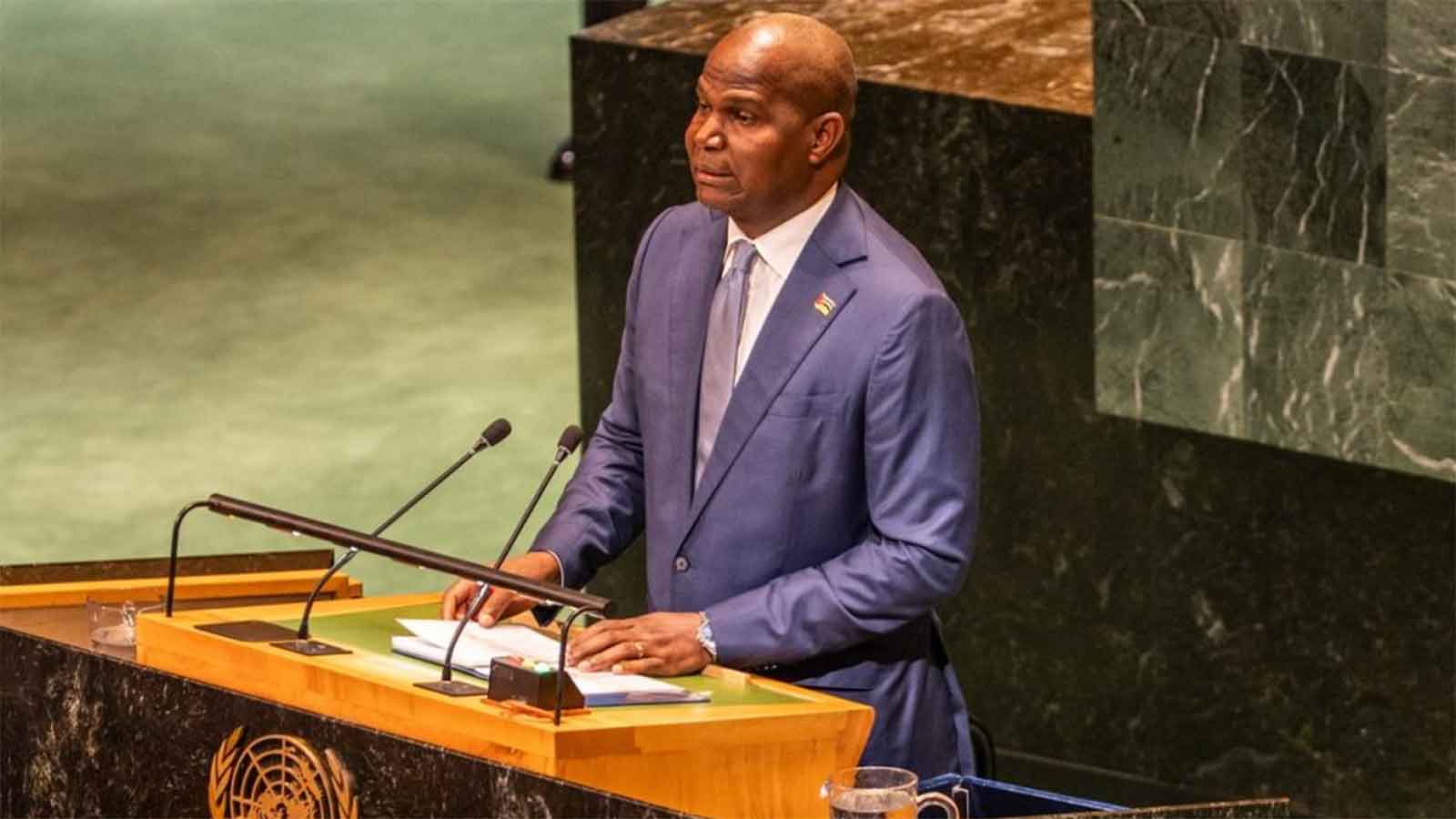
In an interview with The Sunday Mail, Transport and Infrastructural Development Minister Felix Mhona said the Road Accident Fund Administration Bill is now at an advanced stage following recent nationwide consultations.
The proposed law represents a major shift from the current system, under which compulsory third-party motor insurance is provided and administered by private insurance companies.
Third-party insurance is mandatory under the Road Traffic Act and is intended to provide protection against death, injury and property damage arising from accidents involving passengers and other road users.
Under the proposed RAF, however, compensation for people injured or killed in road crashes would be administered through a State-run system based on a no-fault principle.
This means a victim would not first have to prove that another driver was negligent before receiving assistance.
Instead, the fund would provide support for expenses such as evacuation, medical treatment and funerals, with the specific amounts to be capped through regulations.
The policy is intended to remove some of the legal and administrative delays that can leave injured people and bereaved families waiting for assistance while responsibility for a crash is being established.
The proposed system would be funded from the existing compulsory motor insurance premium.
Minister Mhona said the current standard premium of US$35,65 would be restructured, with 35 percent allocated to the Road Accident Fund.
Another 34,3 percent would remain with insurance companies to cover liabilities relating to vehicle damage and other claims.
The remaining 30,7 percent would cater for brokerage fees, contributions to the Traffic Safety Council of Zimbabwe, stamp duty and the Insurance and Pensions Commission levy.
The fund is expected to be reviewed periodically in consultation with Treasury, with the Government also exploring additional sources of funding.
But while the RAF would address the needs of victims after crashes occur, the Government is simultaneously seeking to strengthen the institutions responsible for preventing accidents in the first place.
Minister Mhona said the country needs an integrated road traffic authority or agency bringing together key players currently involved in road traffic management.
The proposed institution would strengthen enforcement, vehicle inspections, accident investigations, route management and cross-border transportation.
It could also bring together functions currently spread across institutions such as the Vehicle Inspectorate Department (VID), Road Motor Transportation (RMT) and the Central Vehicle Registry (CVR).
“Road traffic management, administration and safety remain a national priority and a shared responsibility. We have to do more on this front,” Minister Mhona said.
The Government, he added, was reviewing its policies, legislation, institutional arrangements and infrastructure financing models to create a more coordinated road safety system.
The need for such reforms has been underscored by the scale of the country’s road safety problem.
Zimbabwe loses an estimated US$400 million to US$406 million every year through road traffic accidents, equivalent to roughly 3 percent of gross domestic product, official data shows.
The losses include medical expenses, lost productivity and damage to infrastructure, while the human toll runs into more than 2 000 deaths and 30 000 injuries annually.
A Road Safety Performance Review launched by President Mnangagwa in 2022 found that a traffic crash occurs approximately every 15 minutes in Zimbabwe, with more than 35 000 crashes, at least 1 800 deaths and over 10 000 injuries recorded annually.
The figures help explain why Government is pursuing reforms beyond compensation.
The broader package includes strengthening the Traffic Safety Council of Zimbabwe with enforcement powers, digitising traffic management systems, introducing a penalty points system for drivers and tightening regulation of driving schools and public service vehicles.
The Government is also working on the re-establishment of road maintenance units and increased resources for remedial work on weather-damaged roads and highways.
The measures follow President Mnangagwa’s directive in May for the Government to take “drastic measures and lasting solutions” in response to the latest spate of accidents, with particular attention to irresponsible behaviour, unroadworthy vehicles and deteriorating roads.