

 Online Reporter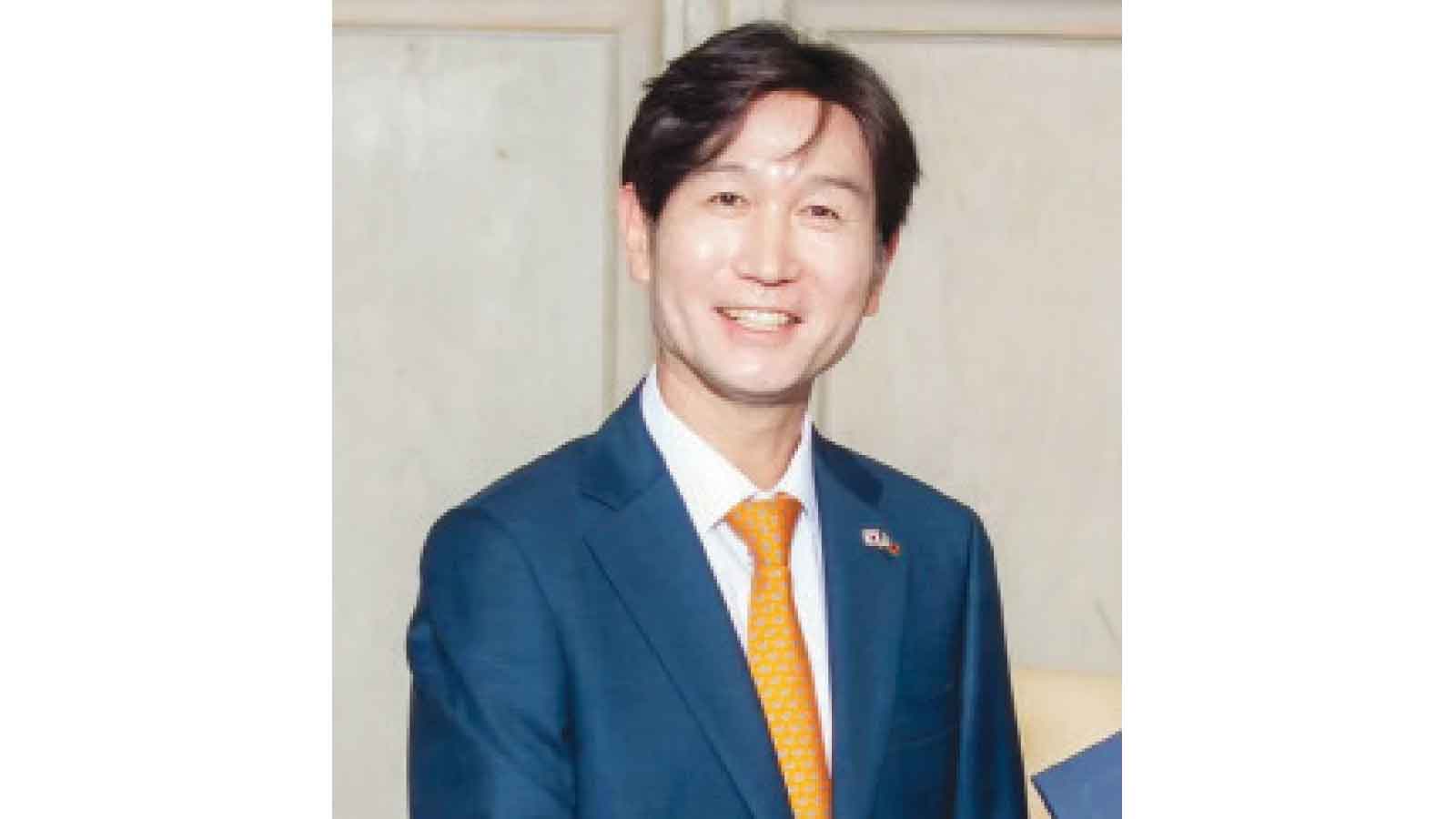
Victor Maphosa-Mashonaland East Bureau
The Government has praised South Korea for its support of youth empowerment projects in Marondera.
These initiatives provide significant platforms for young people to contribute to the country’s economic development.
The initiatives funded include cattle fattening and breeding, horticulture, piggery and poultry.
Seventeen youths have benefited from financial backing from the South Korean government through the Korea International Cooperation Agency, with technical assistance from the Food Agriculture Organisation.
A high-powered delegation that included Korean Ambassador to Zimbabwe Park Jae Kyung, Permanent Secretary for Youth Empowerment, Mr Solomon Mhlanga, and representatives from FAO, visited the projects in Ward 17, Marondera, to assess their progress.
The initiative, named “Green jobs for rural youth employment”, is viewed as transformative for youth empowerment and critical for national development.
Mr Mhlanga spoke about how the initiative aligns with governmental goals of job creation.
He expressed gratitude to the partners involved, saying: “This partnership is not only timely but strategic and impactful.”
Mr Mhlanga emphasised that a significant number of youths classified as “Not in Education, Employment or Training” (NEET), are in rural areas.
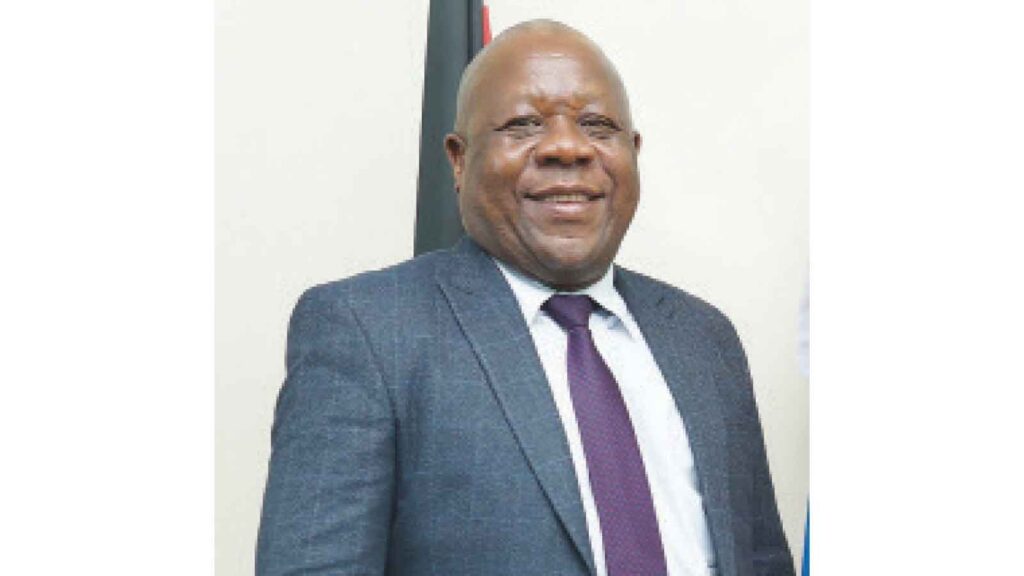
Permanent Secretary for Youth Empowerment, Mr Solomon Mhlanga
He stressed the importance of these projects in addressing such challenges.
The minister noted that initiatives like these restore dignity and offer purpose to youths, linking them to productive sectors like horticulture and livestock production, while promoting sustainable practices.
“There is a clear and urgent need to replicate and expand such models across many rural districts,” he said.
The Government is committed to creating a conducive environment for youth-focused initiatives and recognises FAO and KOICA as vital partners.
“We view FAO and KOICA not merely as funders, but as strategic partners in our shared vision of a productive, empowered and self-reliant youth population,” said Mr Sibanda.
Ambassador Park noted the importance of assessing the long-term impacts of projects.
“What you are doing now is not easy, but it matters. Keep moving forward, step by step,” said the Ambassador.
In his remarks, Director Rural Development in the Ministry of Lands, Agriculture, Fisheries, Water and Rural Development Mr Leanard Munamati, who was represented by acting director Agriculture and Rural Development Advisory Services for Mashonaland East Province, Mr Calisto Masiwa, said the initiatives answer to National Development Strategy 2 (NDS2) expectations, of prioritising youth empowerment.
“By deliberately training youths in green skills, we are tackling unemployment and cultivating a vanguard generation poised to lead Zimbabwe toward a low-carbon, green economy.
“Furthermore, this project serves as a practical implementation vehicle for our Agriculture Food Systems and Rural Transformation Strategy 2.
“This sectoral strategy provides the roadmap for transforming our agrifood systems to drive the nation toward an empowered and prosperous upper-middle-income society by 2030,” said Mr Munamati.
Secretary for Mashonaland East Provincial Affairs and Devolution, Mr Tavabarira Kutamahufa, stressed the importance of youth empowerment in national development.
“The majority of the population is the youth. Therefore, the process of transferring various entrepreneurial skills, business skills and many others, is so fundamental,” he said.
“We have seen this kind of realisation that we must ensure our youths are truly capacitated, engaged and they become responsible citizens and masters of their destinies because Zimbabwe lies squarely on their shoulders.
“If they have an idle mind, the consequences socially, economically even politically, will be bad.”
Beneficiaries such as Messrs Tinei Matanga and Luckson Madzivanzira shared their success stories, demonstrating how these initiatives have transformed their lives.
Mr Matanga, who is engaged in horticulture production on a hectare of land, said: “When I received the funds, I hit the ground running.
“I grew potatoes, tomatoes and carrots, and I have made accomplishments, from buying cattle to sending my children to good schools.
“I realised there is money in farming.”
Mr Madzivanzira, who is involved in cattle fattening, also praised the initiative.
“After receiving funds, I partnered with a colleague. We started with four cattle, and now we have 27.
“This project is bearing fruit, allowing us to improve our living conditions,” he said.
The support from South Korea is seen as instrumental in fostering a new generation of agripreneurs in Zimbabwe, paving the way for sustainable economic development and improving the living conditions of rural youths.
The commitment from both governments and partnerships with organisations like FAO and KOICA are vital for the future of Zimbabwe’s youth and the agricultural sector.



