Online Reporter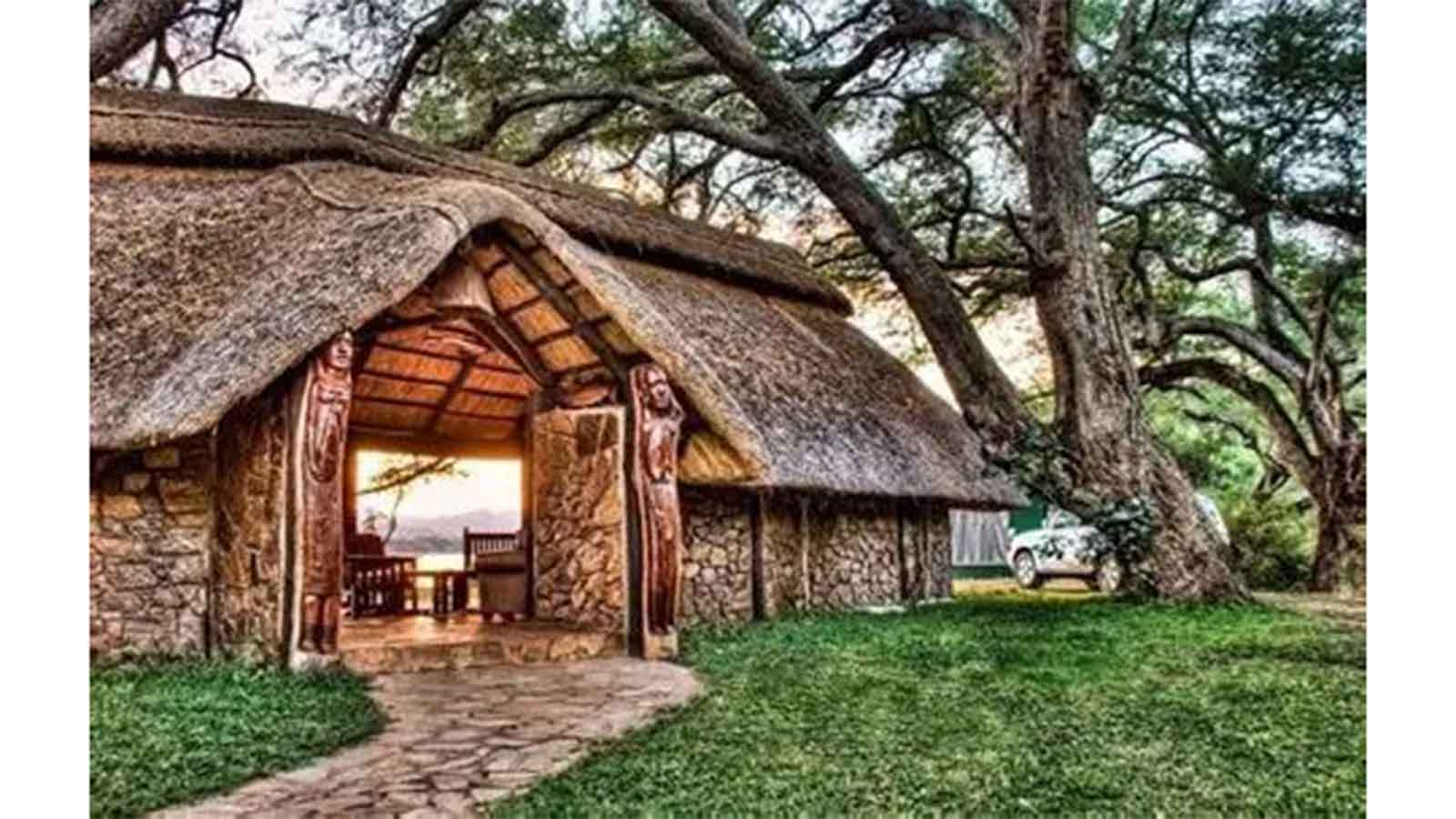
Ivan Zhakata-Herald correspondent
THE Government has stepped in to mediate the long-running Chewore Safari Lodge dispute following a Supreme Court ruling that upheld the nullification of the lodge’s lease, a decision that effectively ends the current operator’s legal claim to the property.
The Ministry of Environment, Climate and Wildlife said in a statement last week it had engaged all parties involved in the dispute in an effort to facilitate dialogue and reach an amicable resolution after the Supreme Court dismissed an appeal against a High Court ruling that declared the lease invalid.
“The Government of Zimbabwe, through the Ministry of Environment, Climate and Wildlife, has engaged with all parties involved – Suscaden, Big Five and the Zimbabwe Parks and Wildlife Management Authority – with a view to facilitating dialogue and fostering an amicable resolution to the ongoing issue regarding Chewore Safari Lodge,” the ministry said.
The engagements followed a Supreme Court judgment that upheld a March 2025 High Court ruling by Justice Tawanda Chitapi, which declared the 2010 lease agreement for Chewore Safari Lodge null and void and ordered the operator to vacate the premises by June 2025.
Chewore Safari Lodge, a popular fishing and tourism destination in the Zambezi Valley, has been operated by Mr Terry Kelly through Suscaden Investments (Private) Limited in partnership with the Zimbabwe Parks and Wildlife Management Authority (ZimParks).
The validity of the lease has, however, been contested for several years.
In its ruling, the Supreme Court agreed with the High Court’s finding that the 25-year lease was invalid from inception because it lacked mandatory ministerial approval, as required under Section 37 of the Parks and Wildlife Management Act.
The judgment was delivered by Justices George Chiweshe, Chinembiri Bhunu and Joseph Musakwa.
The legal dispute pitted Suscaden against ZimParks, the Ministry of Environment and rival operator Big Five Safaris, with the central issue being whether the lease complied with statutory requirements governing leases in designated safari areas.
Suscaden argued that the lease carried the required ministerial signature, a claim rejected by ZimParks and the ministry, which maintained that the purported approval was not authentic.
Following the Supreme Court ruling, the ministry said its engagements with the parties had been constructive.
“The engagements have been constructive, and all parties have expressed a shared commitment to resolving the matter within the shortest possible time frame, in a manner that is fair, mutually beneficial and aligned with the applicable legal and policy frameworks,” the statement said.
Government said its intervention was intended to manage the implications of the court ruling without undermining the authority of the judiciary, particularly in light of concerns around investor confidence in the tourism and conservation sectors.
“Consistent with the guiding principles of the Second Republic, the ministry reiterates that Zimbabwe remains open for business and affirms its continued commitment to the promotion, facilitation and protection of investment.”