Online Reporter
Rumbidzayi Zinyuke
Senior Health Reporter
Zimbabwe is set to significantly increase the number of community health workers (CHWs) and integrate them into the formal health system as part of a broader African Union initiative to bolster primary healthcare delivery across the continent.
This comes as the Africa CDC recently released results of a landmark study, “Continental Community Health Programmes Landscape in Africa,” which outlines the current state of community health systems and showed the structural challenges affecting most African countries.
The findings of the study were presented during a high-level side event at the 78th World Health Assembly by Dr Ngashi Ngongo, Principal Advisor to the Africa CDC Director General.
The Africa CDC study called for African countries to scale up CHW recruitment to meet the two million target by 2030, a commitment made by African Union member states.
With about one million CHWs already on the ground, another million is needed urgently, particularly in communities with low access to health services. The report also highlighted that while most countries have made strides in CHW policy development and training, gaps remain in financing and remuneration. CHW salaries across Africa vary significantly, from as little as US$10 to as much as US$300 per month, with a median of US$50.
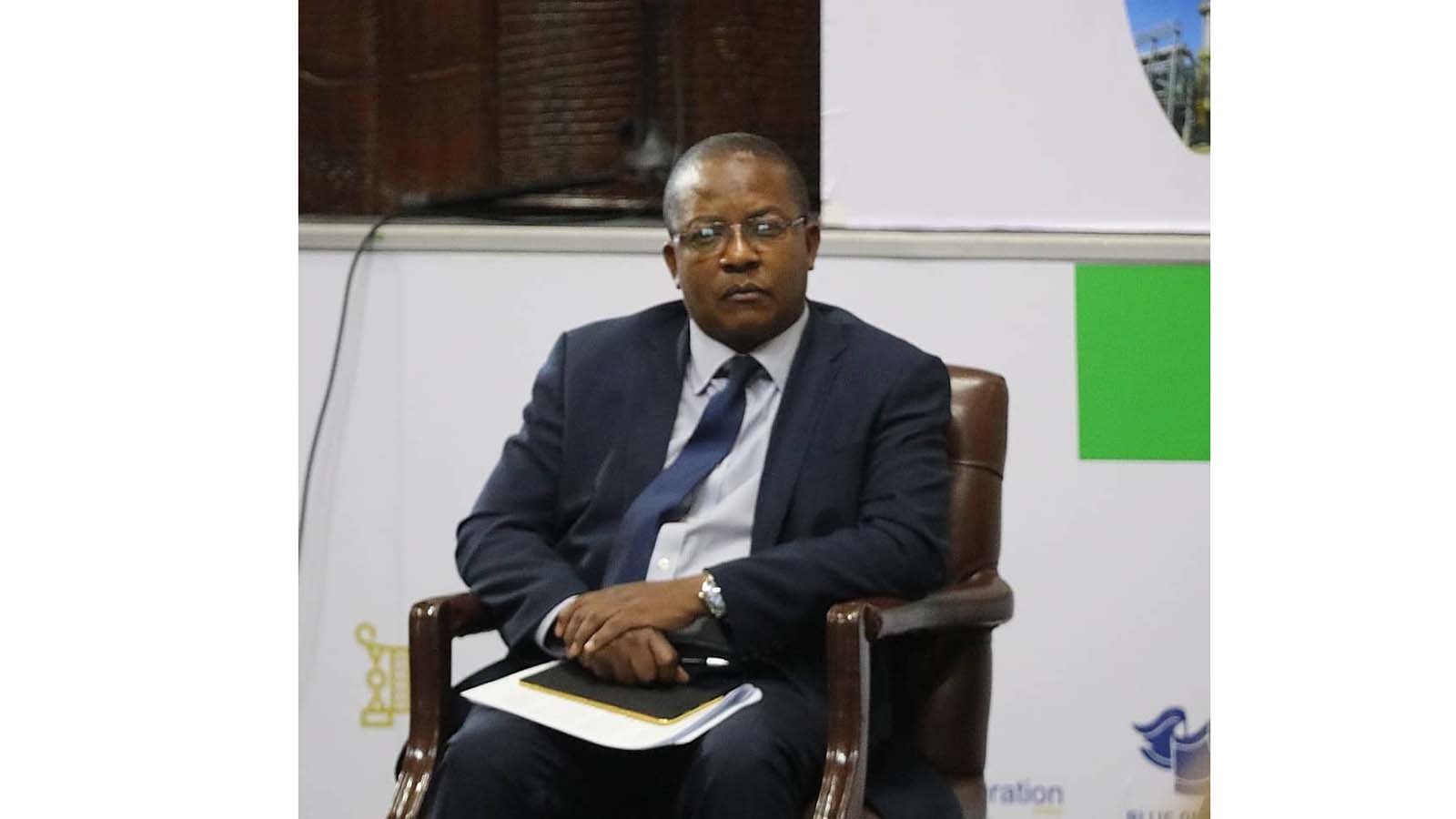
In a separate interview, Health and Child Care Minister Dr Douglas Mombeshora said Zimbabwe on its part was aiming to almost double its current number of community-based health workers from 19 000 to at least 40 000 by 2030.
“If we are looking at the village health workers, we have targeted that we must have a village health worker at every village. And we have got about 35 000 villages in Zimbabwe. Currently, we have about 19 000 village health workers, and it means we have to double that figure by 2030,” he said.
“These cadres are voluntary workers. We must have them in the community. They are supported with materials and training to be able to perform their duties. They are also given uniforms and bicycles to make them mobile in the community.”
He, however, expressed concern over the country’s reliance on external donor funding to pay village health workers, most of whom are currently not formally employed by the Government.
This also applies to many African countries.
According to the Africa CDC study, about 83 percent of AU member states, (38 countries out of 46 that reported), received Official Development Assistance (ODA) that exceeded 50 percent of their Community Health Programme funding.
“The challenge that we have seen so far is that almost all of them (community health workers) in our care centres in Zimbabwe are being paid by one of our partners.
“Quite a lot of money was coming through the US, but when it was announced there was going to be a work-stop order, most of them stopped going to work. This shows us we must absorb those village health workers into our Ministry of Health as permanent employees and give them decent remuneration,” Dr Mombeshora said.
The stop-work order from the US Government earlier this year temporarily disrupted services and left many village health workers unpaid, underscoring the urgency of creating a sustainable, locally-funded CHW system.
Dr Mombeshora said Government, through the Health Workforce compact launched last year, was on a drive to take over the remuneration of CHWs.
“We had made a suggestion that if we take them on board, then we should look at remunerating them between US$50 and US$80 a month. Unfortunately, the US work stop order came as a surprise before we had even said how many we were going to take on board in a year, because we wanted to do this in a phased approach until 2030.
“Currently, we’ve got that challenge and we are in discussion with the Ministry of Finance to see what steps we can do to cover that gap,” he added.
These concerns were echoed by Dr Ngongo, who warned that community health systems across Africa remain heavily dependent on aid, leaving them vulnerable to cuts.
He noted that multiple global funding agencies, including Gavi and the Global Fund, had committed over US$1,9 billion to support community-based health initiatives. But unless those investments were harmonised through a common delivery platform, their full potential would not be realised.