

 admin
admin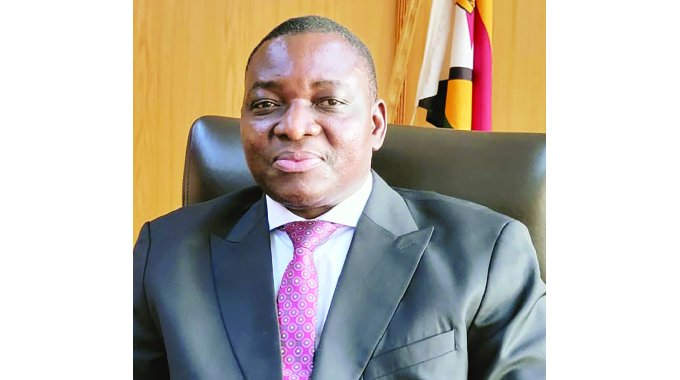
Africa Moyo
Deputy News Editor
SEVERAL measures aimed at addressing the affordability of houses, particularly for low-income earners, such as the construction of high-rise buildings and tackling the cost of doing business, are now being implemented, National Housing and Social Amenities Minister Zhemu Soda has said.
In an interview in Harare yesterday, Minister Soda said they are optimistic the measures will significantly help in solving the backlog of approximately two million housing units.
He said the 2020 National Human Settlements Policy, which seeks to address this deficit, emphasises modernity, sustainability and affordability.
Already, the Government has surpassed its initial target of 220 000 housing units, with over 700 000 units completed by late 2024.
“The focus on affordability is paramount,” Minister Soda said.
“We recognise that the cost of land is a significant barrier for low-income families. To address this, we are promoting vertical development, which allows us to maximise space and reduce costs by spreading the financial burden across multiple units.”
Government is also addressing sustainability in housing development.
All new projects are mandated to comply with sustainability guidelines, ensuring that they meet environmental standards.
This approach aims to not only provide adequate shelter, but also promote eco-friendly practices among developers.
In response to concerns regarding bureaucratic delays when people are awaiting the processing of their house plans and other paperwork, Minister Soda said Government is working to streamline approval processes for housing projects.
“The time it takes to approve plans can lead to increased costs for developers, which ultimately affects buyers.
“We are committed to expediting these processes to make housing more accessible,” he said.
Minister Soda also acknowledged the issue of corruption, stating that delays in approving plans often lead to desperation among prospective homeowners, which can foster unethical practices. “By adhering to strict timelines for approvals, we can minimise opportunities for corruption and ensure a fair process for all,” he added.
The recent inaugural competitiveness summit held in Bulawayo also focused on reducing the costs of construction materials.
Minister Soda expressed hope that the discussions from the summit will lead to lower housing prices.
“If we can control the costs of inputs like cement and steel, we can significantly lower the overall price of housing,” he said.
The Minister added that the US$1,5 billion Manhize Steel plant in Mvuma will help reduce the cost of houses as steel will become affordable.
Collaboration with the private sector is a key component of the Government’s strategy for housing delivery.
Minister Soda emphasised the importance of engaging with commercial banks, building societies, and private developers to create a comprehensive housing solution.
“The private sector’s involvement is crucial in complementing our efforts to meet the housing demand,” he said.



 Online Reporter