

 Online Reporter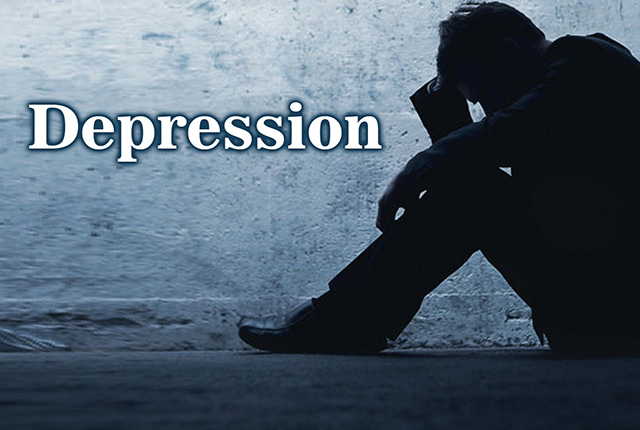
Trust Freddy-Zimpapers Correspondent
THE Government has partnered with local and international research institutions to launch a multi-district study aimed at integrating mental health into the national climate change policy, as part of efforts to protect citizens from the psychological impacts of environmental shocks.
The project, which is being implemented by the Zvitambo Institute for Maternal and Child Health Research, was unveiled today during a National Food and Nutrition Security Committee (NFNSC) meeting in Harare.
The meeting, hosted by the Food and Nutrition Council (FNC), was attended by representatives from the Ministry of Health and Child Care, the Ministry of Lands, Agriculture, Fisheries, Water and Rural Development, the World Food Programme (WFP), and UNICEF, among other key stakeholders.
Speaking at the meeting, NFNSC Chairperson, Mrs Nesta Gumbo, said the collaboration aims to align food security interventions with climate resilience.
“We have convened this meeting to deliberate on priority interventions for the year and to be sensitised on the new project with Zvitambo, which aims at linking climate change with mental health. We want to ensure good nutrition for the general public and that climate targets are met,” she said.
The study, titled “Mind Climate,” will be conducted between 2026 and 2028 in eight districts: Gutu, Kariba, Plumtree, Shurugwi, Bindura, Murewa, Chimanimani, and Lupane.
Dr Prosper Chopera, the Principal Investigator from Zvitambo, said the research is grounded in the hypothesis that climate-related stressors—such as droughts and extreme heat—trigger food insecurity, which subsequently increases the risk of anxiety and depression.
“Our main goal is to ensure that Zimbabwe’s climate response incorporates mental health. We believe local communities already have some answers on how they safeguard against these risks, and we want to see how these can be integrated into local programmes such as the Friendship Bench,” Dr Chopera said.
The three-year study will begin with evidence building through household surveys in 2025, followed by the “co-creation” of community-led action plans.
The final phase will involve a massive multimedia awareness campaign to inform national policy and the global community.
The project is a collaborative effort involving the FNC, the Meteorological Services Department, the Ministry of Health, CIMMYT, Welcome Trust Climate Impact award and Cornell University.
It comes at a critical time when Zimbabwe is experiencing erratic weather patterns, including late rains and recurrent cyclones, which have disrupted traditional livelihoods.



