Online Reporter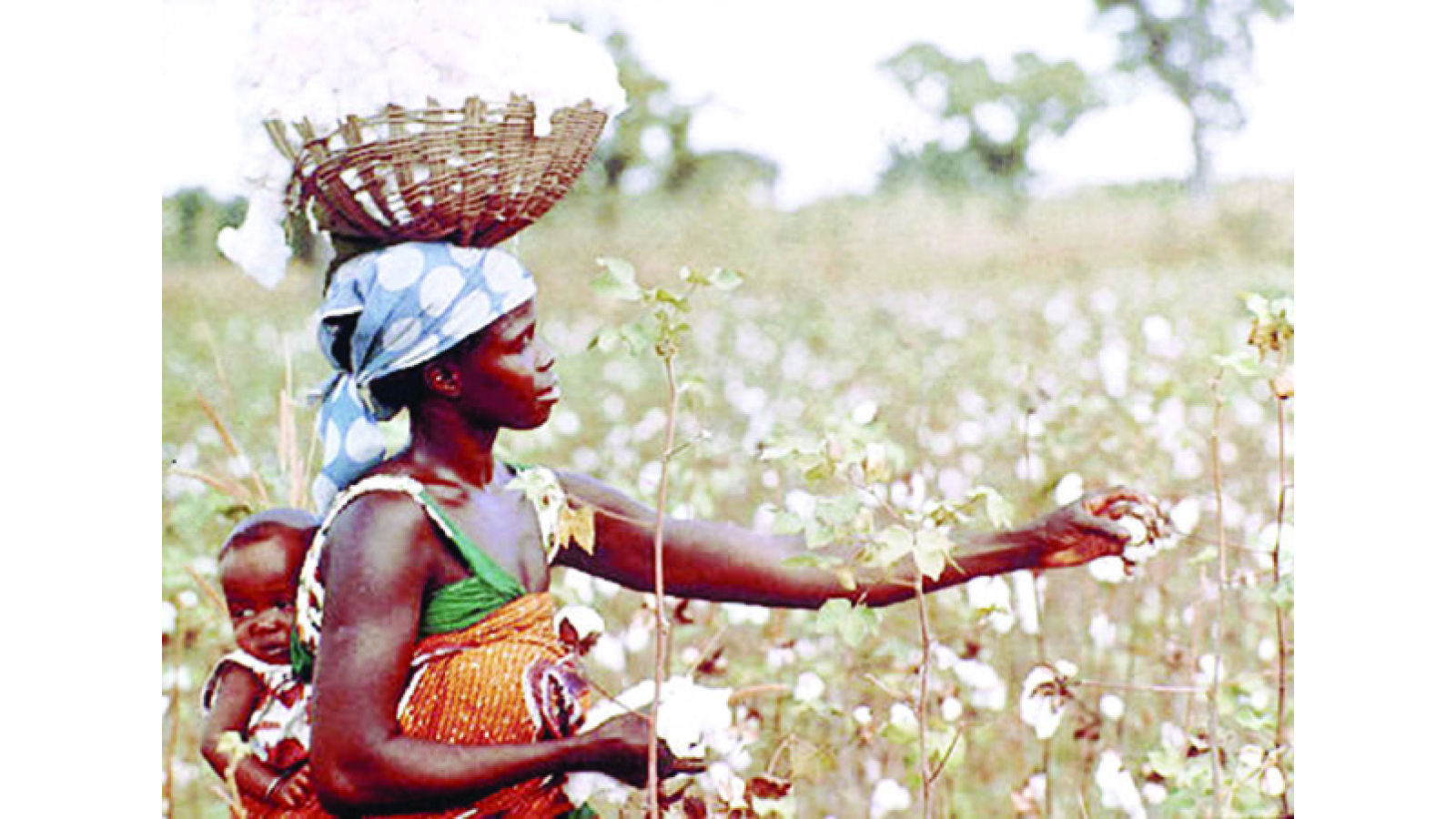
Edgar Vhera in Kwekwe
The Government has set three non-negotiable pillars to resuscitate the cotton industry, which has been experiencing challenges in recent years.
This came out at the two-day Cotton Indaba that started in Kwekwe yesterday and ends today.
The Indaba is running under the theme: “Revitalising Zimbabwe’s white gold, Towards a sustainable and competitive cotton sector”.
The indaba brought together farmers, bankers, spinners, contractors, Government agencies and experts to interrogate the structural and operational bottlenecks in cotton production.
Officially opening the Indaba, Lands, Agriculture, Fisheries, Water and Rural Development Deputy Minister, Vangelis Haritatos, said the two-day gathering was meant to rescue the national asset.
“The catastrophic decline from 350 000 tonnes to a mere 13 757 tonnes represents a story of squandered potential. This Indaba must mark the end of that decline and the beginning of a renewal,” he said.
Deputy Minister Haritatos Minister said justice and legal enforcement, productivity and profitability and value addition and industrialisation were paramount.
“We will restore the rule of law to bring clarity and order, where zoning will be implemented.
“The Agricultural Marketing Authority (AMA) will immediately commence the biometric registration of every single cotton farmer and merchant in the country. AMA is expected to act decisively against violations such as double-dipping,” he said.
Digital registry, the deputy minister said, would form the bedrock of a new era of transparency and bring an end to the chaos of cross-contracting and side marketing by enforcing one fundamental, non-negotiable rule: one farmer one merchant.
“We must advance beyond basic input provision to climate-smart, evidence-based agriculture.
“We will leverage innovations from the Cotton Research Institute (CRI) and consider all options, including a price stabilisation fund to ensure farmers receive a predictable and profitable return for their labour,” he said.
The cotton value chain also needs to take heed of the Government’s thrust of value addition and beneficiation and export of finished products and curtail export of jobs.
“Why export raw lint along with job opportunities? The future of this sector lies beyond the farm-gate, in local spinning mills, textile factories and manufacturing plants. We will build economic hubs that transform rural areas, moving from raw production to full beneficiation,” he said.
For the 2025/26 Government has set a target of 270 000 hectares, with the Pfumvudza/Intwasa Cotton programme targeting 180 000 hectares, while the private sector will do 90 000 hectares.
“This is a clear statement of intent to restore our white gold and this Indaba is not a talk shop but a launchpad to glory.
“The blueprint you produce must be actionable, specific, cost and equipped with clear timelines and accountability,” he said.
The indaba will also review the performance of the current input supply model, cotton pricing, contracting models and establish the possibilities of the creation of a stabilisation fund.
Stakeholders are also expected to get an understanding of regional and international cotton production and marketing models, interrogate the scope of zoning of cotton production in Zimbabwe and development of a cotton production and marketing blueprint for 2025/26.
Cotton is a national asset and the lifeblood of over 400 000 rural households and serves as one of the strategic pillars of the economy.
The crop is also a vital source of foreign currency and the foundational raw material for an extensive value chain, including oil expressers, stockfeed manufacturers, spinners and weavers.
The cotton sector is the engine for rural industrialisation, fostering economic hubs and generating employment from farm to factory.
The country has witnessed a decline in cotton production. For instance, production fell from over 350 703 tonnes in 2012 to just 13 757 tonnes in 2024.
Although 2023 saw an upturn with approximately 90 084 tonnes produced, volumes remained below national potential.
AMA, as the statutory regulator of cotton, acknowledges the urgent need to engage stakeholders to map out a new production model for the sector.