Online Reporter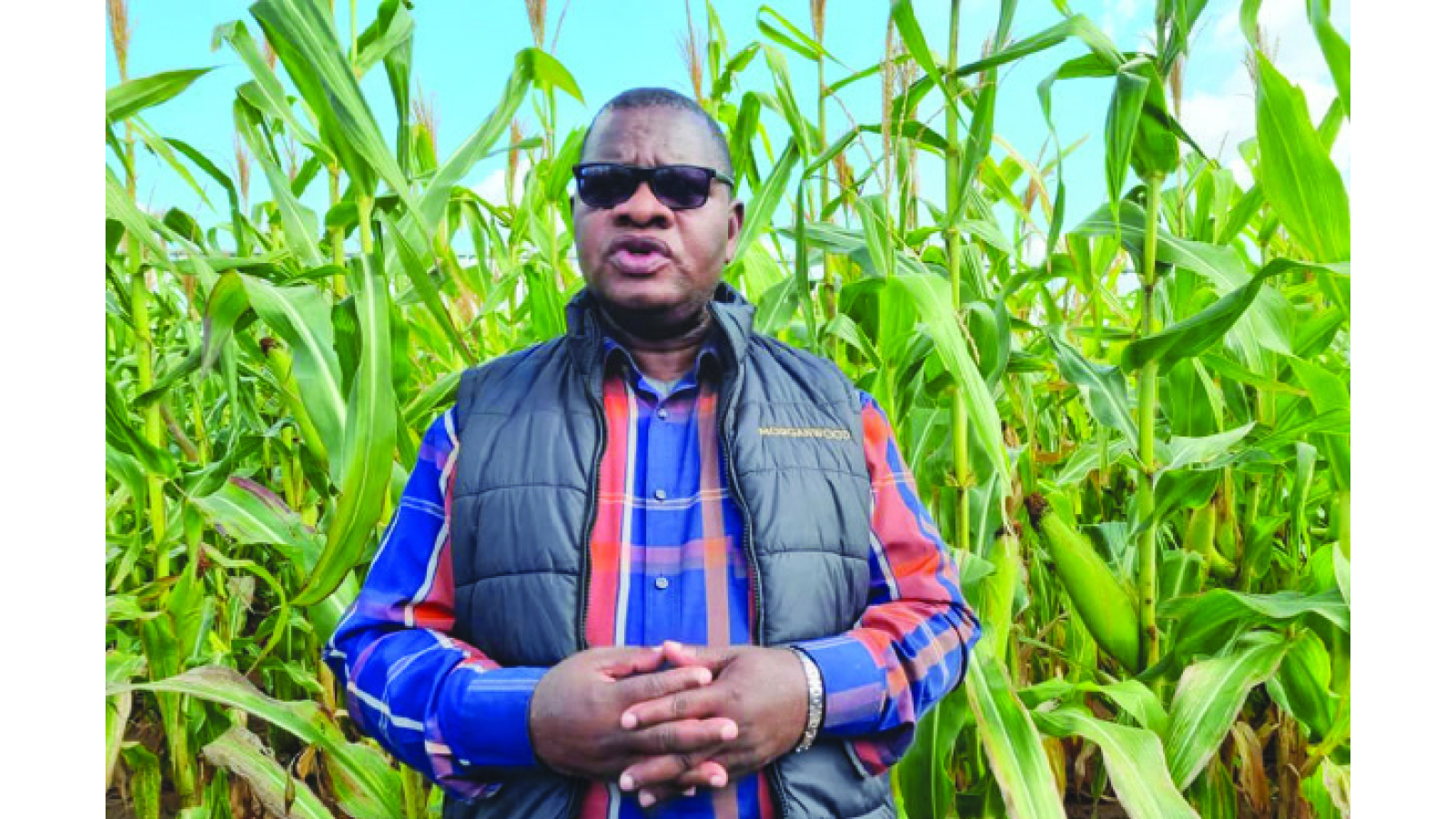
Precious Manomano
Herald Reporter
As Zimbabwe enters a pivotal agricultural season, the nation finds itself at a vantage point, with a unique opportunity to enhance food security and bolster agricultural productivity.
The Government’s ambitious target of producing 3,2 million tonnes of cereal this season is not merely a statistic; it embodies a strategic commitment to not only meet the nation’s food requirements but to exceed them by a remarkable 33 percent.
This target includes a significant 2,5 million tonnes of maize and 687 000 tonnes of traditional grains, underscoring the importance of cultivating a diverse agricultural landscape in a country where food security is paramount for its survival and growth.
The 2025/26 summer plan is designed to establish a robust agricultural output, focusing on sustainable practices that can withstand the increasing challenges posed by climate change. Zimbabwe’s reliance on maize as a staple food means that the anticipated rise in production — from 2 299 216 tonnes to 2,52 million tonnes — is not just a number; it is a beacon of hope for millions of Zimbabweans who depend on this crop for their daily sustenance.
Moreover, other essential crops are also set to see increased production. Sorghum is expected to grow from 436 784 tonnes to 450 000 tonnes, while the output of pearl millet is projected to rise from 188 261 tonnes to 220 000 tonnes.
The diversity in crop production not only helps to stabilise food supplies but also improves nutritional options for the population, which is crucial for health and well-being.
Lands, Agriculture, Fisheries, Water, and Rural Development permanent secretary Professor Obert Jiri, has been particularly vocal about the urgent need for innovation in agricultural practices.
“Irrigation is the way to go; we cannot wait for the rain. We must engage in massive irrigation.” This insistence on expanding irrigation infrastructure reflects the Government’s recognition that climate resilience is essential for sustainable agriculture. By reducing dependency on unpredictable rainfall patterns, Zimbabwe aims to ensure a stable food supply, irrespective of external climatic conditions.
The emphasis on irrigation aligns with global best practices in agriculture, where modern irrigation techniques can significantly boost crop yields. Implementing such methods not only enhances productivity but also conserves water resources, making farming more sustainable in the long run.
While the overall outlook for Zimbabwe’s agricultural sector appears promising, it is crucial to recognise that some regions continue to face significant challenges.
Areas such as Gweru, Hwange, and Beitbridge are projected to require ongoing food assistance, alongside ten other districts that will need support starting next month. This highlights the critical need for targeted interventions to assist vulnerable populations and mitigate food insecurity.
In contrast, regions like Mashonaland West, Central, and East are exhibiting varying levels of cereal sufficiency, with many areas reporting adequate grain supplies. This regional disparity underscores the importance of localised agricultural strategies that acknowledge the unique needs and conditions of different areas.
Prof Jiri said collaborative efforts of farmers, private sector players, and Government initiatives are vital for achieving food self-sufficiency.
“The collaborative approach is crucial for ensuring that we can overcome the disparities in food security across the nation.”
This collaboration can take various forms, from sharing resources and knowledge to implementing joint initiatives that address specific regional challenges.
For instance, partnerships between local farmers and private companies can foster innovation and improve access to markets. These collaborations not only enhance productivity but also provide farmers with more reliable income streams, helping them to invest further in their agricultural practices.
The Pfumvudza/Intwasa programme, a flagship government initiative, aims to support three million rural households by providing them with the necessary tools, inputs, and resources to thrive. This initiative is critical for empowering farmers and ensuring they have the means to cultivate their land effectively.
Under the National Enhanced Agricultural Productivity Scheme (NEAPS), financial institutions such as AFC, CBZ Agro Yield, and NMB are encouraged to continue their support for agriculture. This financial backing is essential for ensuring that farmers have access to vital resources, such as seeds, fertilisers, and equipment, which can significantly enhance their productivity.
As the season progresses, contractors have obligations to purchase what they have contracted, while the Agricultural Rural Development Authority (ARDA) and beneficiaries of the Presidential Input Support Scheme are mandated to deliver their crops to the Grain Marketing Board (GMB).
This structured approach not only secures farmers’ livelihoods but also reinforces the agricultural supply chain, ensuring that food reaches those who need it most.
Additionally, training programmes aimed at improving farmers’ knowledge of sustainable practices and financial management can further empower them. By equipping farmers with both the resources and the knowledge to leverage those resources effectively, Zimbabwe can create a more resilient agricultural sector.
Seed companies have reported sufficient stocks to cater to the summer season, and both financial institutions and chemical companies are positioned to assist farmers in their efforts.
The Government’s proactive approach to creating a resilient agricultural framework addresses immediate food security needs while laying the groundwork for sustainable farming practices in the long run.
Despite the challenges faced by certain regions, the overall trajectory for Zimbabwe’s agricultural sector remains optimistic. Favourable weather conditions, coupled with government initiatives, have fostered a sense of hope among farmers and citizens alike.
As the nation navigates these challenges and opportunities, its commitment to enhancing agricultural productivity stands as a beacon of hope for millions.
Community engagement plays a critical role in achieving food security. Local farmers’ associations, cooperatives, and community-based organizations can help facilitate the sharing of knowledge and resources among farmers. These groups can also serve as platforms for advocacy, ensuring that the voices of smallholder farmers are heard in policy discussions.
As Zimbabwe continues on its journey towards food security, the importance of grassroots involvement cannot be overstated. Empowering communities to take an active role in agricultural decision-making will not only improve productivity but also ensure that the needs of the most vulnerable populations are addressed.
Zimbabwe’s journey toward food security is not merely a destination but an ongoing commitment to resilience, sustainability, and innovation.
As the nation aims to produce 3,2 million tonnes of cereal this season, it is not just about meeting immediate needs, but preparing for a prosperous agricultural future that ensures food security for all Zimbabweans.
The collaborative efforts of farmers, the private sector, and governmental support are crucial in achieving food self-sufficiency.
As Prof Jiri aptly put it, “We are on the right path, and with continued collaboration and innovation, we can secure a brighter future for our agricultural landscape.”
The country stands at a unique juncture, where strategic planning, community involvement, and innovation can pave the way for a more secure and prosperous agricultural future.
By embracing these principles, Zimbabwe can not only enhance its food security but also ensure the well-being of its citizens for generations to come.