Sidumisile Mabena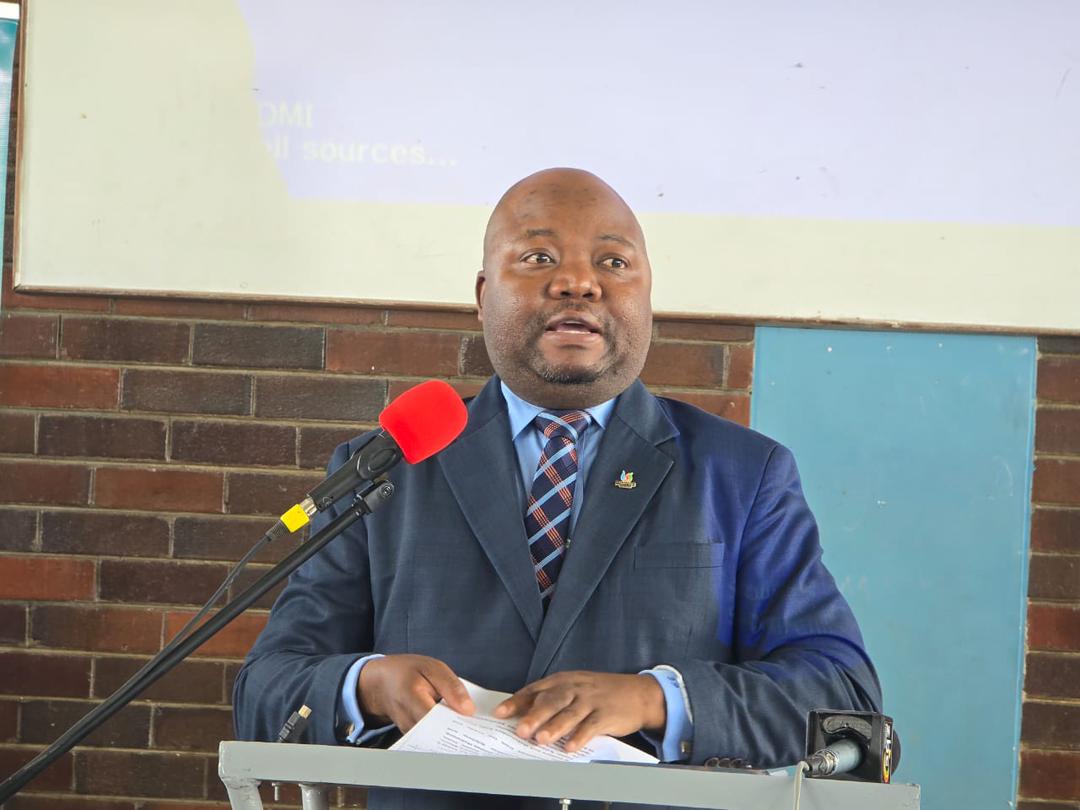
Mthabisi Tshuma, Zimpapers Writer
GOVERNMENT is making strides by rolling out programmes that seek to ensure every Zimbabwean is a digital native by 2030, Information Communication Technology, Postal and Courier Services Deputy Minister Dingumuzi Phuti has said.
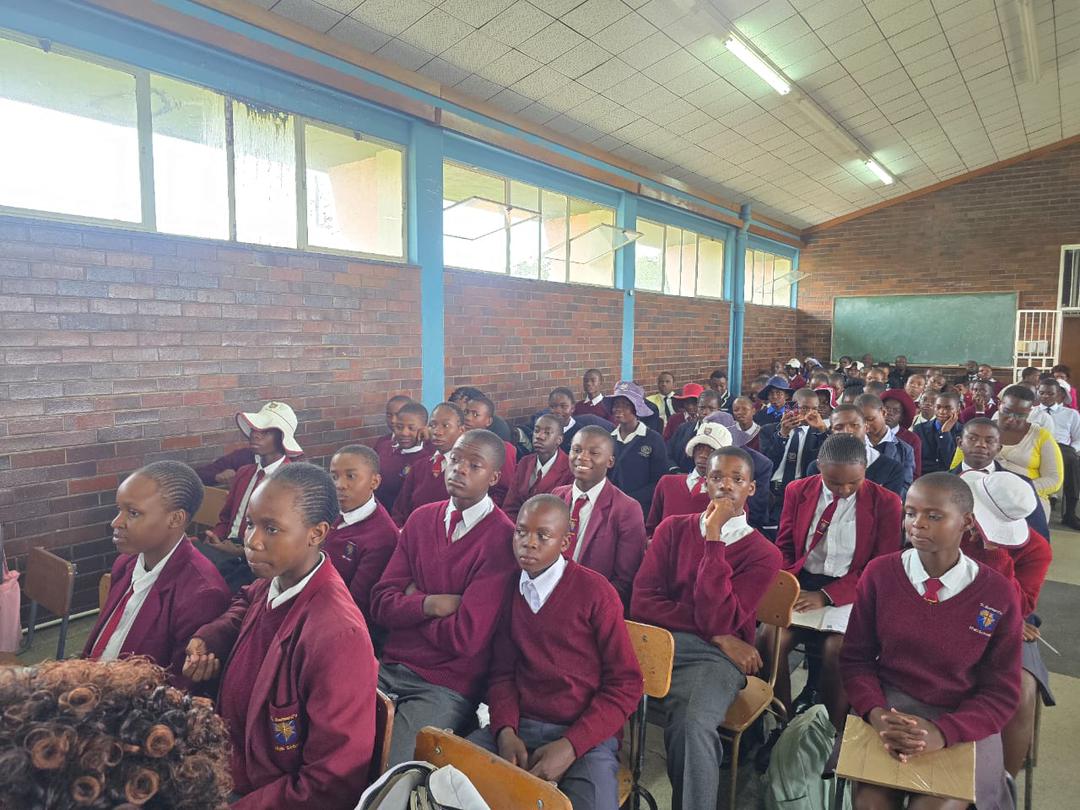
Deputy Minister Phuti made the remarks during a Digital Literacy Programme held at St Bernard’s High School last Friday. The event was held under the theme “Navigating the Digital Frontier with Purpose and Safety”.
The event drew several schools from Bulawayo and the National University of Science and Technology (Nust).
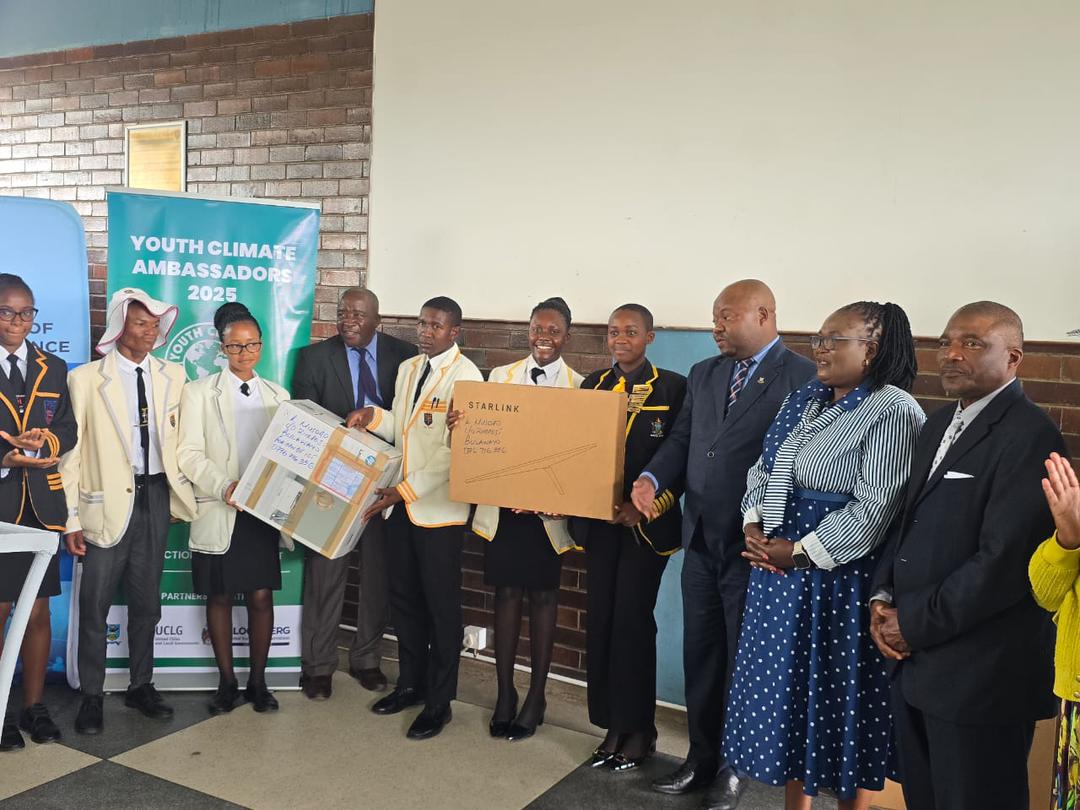
During the occasion, the ICT Ministry donated two Starlink kits to St Bernard’s Primary and High Schools, with the latter also receiving a printer.
Deputy Minister Phuti said the coming together of the organisers, facilitators and partners speaks directly to the national imperative of empowering people with relevant digital skills.
“This programme dovetails seamlessly with the Ministry of ICT, Postal and Courier Services’ overarching thrust to demonstrate that every Zimbabwean must become a digital native by the year 2030. Under the visionary leadership of His Excellency, President Emmerson Dambudzo Mnangagwa, the digital transformation agenda is no longer optional — it is central to our economic growth, service delivery, education system and global competitiveness.
“Digital literacy is the foundation for a modern, inclusive and productive economy. It is for this reason that the Government has rolled out complementary national programmes such as the 1.5 Million Coders Programme, the Digital Skills Ambassadors Programme and the Cyberus Cybersecurity Programme,” said Deputy Minister Phuti.
He said these initiatives are designed to ensure that Zimbabwe not only consumes digital technologies but also actively creates, secures and innovates in the digital space.
“Importantly, this training reminds us that digital skills are not the preserve of the youth alone. We all need digital competencies — students, teachers, entrepreneurs, civil servants, artisans and community leaders alike. As a nation, we must resist the temptation to delegate digital transformation solely to younger generations. Instead, we must all reskill and upskill, regardless of age, and actively participate in building the Zimbabwe we desire.
“This inclusive approach resonates with the words of His Excellency the President, ‘Ilizwe lakhiwa ngabanikazi balo’ — a nation is built by its owners. The Government cannot achieve Vision 2030 in isolation. We therefore warmly welcome support from both the private and public sectors. Partnerships, innovation hubs, mentorship and investment in skills development are critical enablers of the digital economy targets set out under National Development Strategy 2 (NDS2),” said Deputy Minister Phuti.
Follow on X: @mthabisi_mthire



 Online Reporter