Chronicle Editor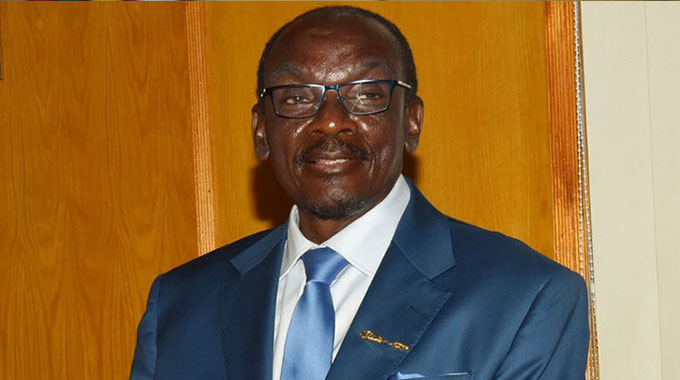
Joseph Madzimure, Harare Bureau
Government is ready to work with the private sector under public-private partnerships to achieve Vision 2030, which is aimed at transforming the country into an upper middle income economy, Vice President Kembo Mohadi has said.
Addressing the media after touring Irvine’s Zimbabwe plant in Waterfalls yesterday, VP Mohadi said Government was committed to working with the private players to increase production and earn the country the much needed foreign currency.
“We expect many organisations to carry activities that bring in foreign currency to achieve vision 2030,” he said. “We want to partner private business to achieve our intended goals as the Government.
“The Government is in need of foreign currency and would want many organisations to be involved in activities that bring in foreign currency to Zimbabwe. It is the only way that we can develop and it is the only way that we can achieve our vision, which is Vision 2030.
“So, the Government will always want to partner the private sector in achieving that. We cannot achieve it as the Government because we don’t run any business. The private sector has that sense of ownership.
They put everything that they have into whatever they are doing so that they can produce whatever they want.”
Vice President Mohadi toured the company in response to an invitation by the company’s chief executive Mr David Irvine. He was accompanied by the Minister in his office, Davis Marapira.
“I heeded your invitation on the basis that you come to my office about two to three weeks ago expressing that you would want support in whatever you are doing,” said Vice President Mohadi.
“After having been here and seen what you are doing, I feel very much encouraged to look into your challenges that you have been facing and see how the Government can ameliorate them.”
The company sells over 500 000 day old chicks per week throughout the country.
Irvine’s Zimbabwe is engaging into chicken out growers’ scheme, benefiting a number of people directly or indirectly employed by the company.
Those who benefit from the scheme are farmers residing in a 70km radius from its production centre.
Vice President Mohadi toured the plant, the school and the clinic which was built by the company as part of its social responsibility.
“We emphasised as Government on corporate social responsibility, that when you are working in the community you also need to develop the people around you,” he said.
“That is what you are exactly doing and we appreciate that as Government. We will always give you the support that you need in this industry that will see our people move out of the economic challenges that they are facing.”
Vice President Mohadi appealed to the company to decentralise its operations to all corners of the country. “We need more people to be engaged into this kind of business,” he said.
Vice President Mohadi challenged youths and the women to engage in chicken production as a way of supporting the economy.
“We would want the youth to know what is happening here and how easily it can be done so that they can be involved in this business,” he said. “The more they are involved in this kind of business, the better for our economy,”
Mr Irvine said he appreciated Government’s support to the private sector.


 Online Reporter