admin
admin
Blessings Chidakwa
Herald Reporter
ALL the bottlenecks associated with land acquisition and development are being eliminated to ensure citizens access decent accommodation, National Housing and Social Amenities Minister Zhemu Soda has said.
Government has acknowledged the historic hurdles of corruption and bureaucratic red tape that have plagued the process of getting decent accommodation over the years.
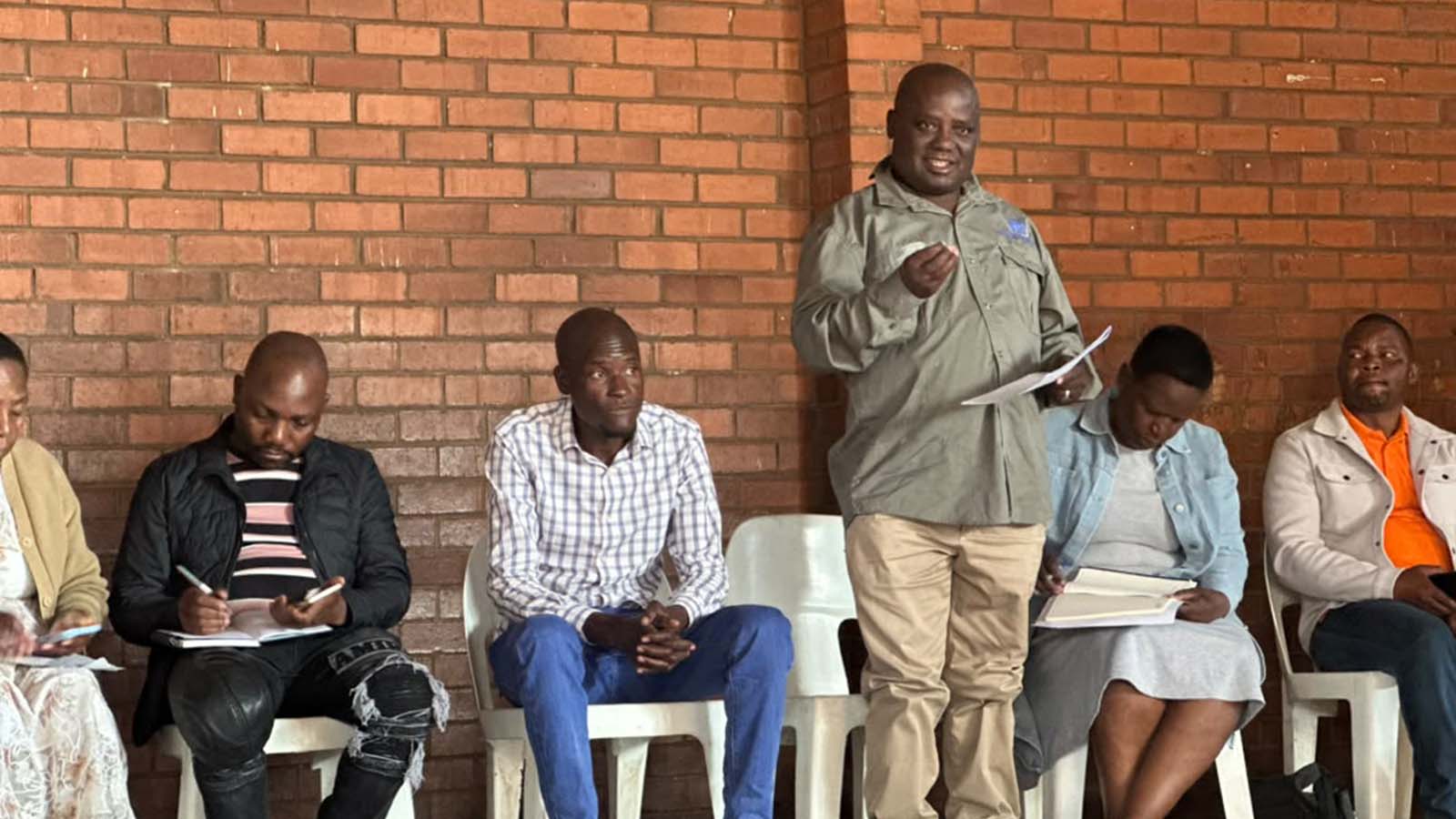
To tackle these issues, the National Housing and Social Amenities Ministry hosted a workshop on housing delivery bottlenecks in Harare yesterday.
The indaba brought together all 92 local authorities and the private sector.
In a speech read on his behalf by his deputy, Musa Ncube, Minister Soda said Government was determined to remove bottlenecks in the housing delivery system.
“The bureaucratic red tape which surrounds land acquisition and development often discourages potential investors and complicates the efforts of individuals seeking to build homes.
“We must streamline these processes, ensuring that they are transparent, efficient, and conducive to fostering growth in our housing sector,” he said.
Minister Soda said the workshop was meant to serve as a precursor to the Infrastructure Summit and Expo that will be held in Victoria Falls later this year.
He said as stakeholders, they should always be united by a common purpose to find solutions to the pressing challenges that confront the housing sector.
“Zimbabwe has witnessed a significant influx of rural-urban migration, driven by the search for better opportunities and improved living conditions. While this migration is a testament to our people’s resilience and ambition, it has also led to an overwhelming strain on our urban infrastructure.
“Our cities are growing at a pace that our current systems were never designed to accommodate, leading to an urgent need for innovative solutions,” said the Minister.
Minister Soda said one of the most pressing challenges the nation faces is the lack of investment in upgrading urban infrastructure to meet the demands of the expanding population.
“We must acknowledge that without a robust and well-maintained infrastructure, we cannot hope to deliver adequate housing or essential services to our citizens.
“It is imperative that we rally our resources and attract both local and foreign investment to revitalise our urban areas and ensure they can support the needs of all inhabitants,” he said.
Equally concerning, added Minister Soda, was the issue of housing financing.
“Many of our citizens dream of owning their own homes, yet the financial mechanisms necessary to turn those dreams into reality remain out of reach for the majority,” he said.
“The high cost in Zimbabwe, compounded by limited access to affordable credit, has created a significant barrier to home ownership. We must explore innovative financing models and partnerships that can empower our citizens to invest in their housing needs.”
National Housing and Social Amenities Permanent Secretary Engineer Theodius Chinyanga said housing delivery stands as one of the 14 thematic pillars under the National Development Strategy 1 (NDS1) economic blueprint.
Eng Chinyanga said the cumbersome land delivery processes must also be streamlined as there are bureaucratic hurdles that slow down acquisition, which in turn delay housing development.
He said the sector was also battling the challenge of outdated urban and building regulatory frameworks and the issue of weakening governance frameworks.
“Good governance is the backbone of successful housing delivery. We must strengthen our institutions, ensure accounability, and enhance community participation in decision-making processes.
“Transparent governance will foster trust and collaboration among all stakeholders, from government entities to private developers and the communities we serve,” said Eng Chinyanga.
“We must work collaboratively to simplify these processes, making it easier for developers and individuals to secure land for housing. This requires a comprehensive review of our land policies and proactive measures to eliminate red tape.
“It is imperative that we empower our local authorities to expedite land delivery while ensuring that the rights of all stakeholders are protected”.
Eng Chinyanga said despite the undeniable demand for housing, there has been a considerable shortfall in investment within the sector.
“To bridge this gap, we must create an environment that is conducive to both local and foreign investment.
“This includes ensuring that our policies are transparent, incentives are appealing, and that we actively engage with the private sector to foster partnerships that can drive innovation and funding into housing projects,” he said.


 Online Reporter