admin
admin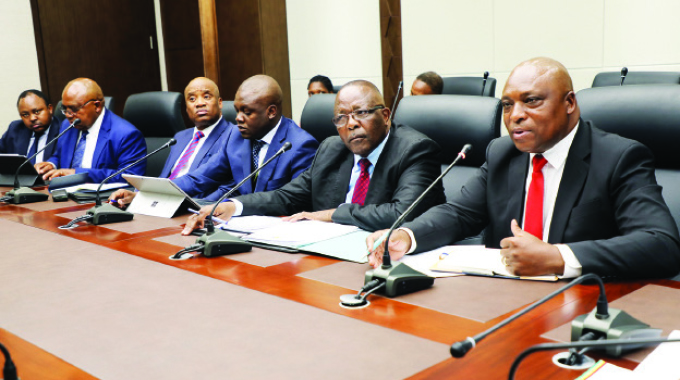
Zvamaida Murwira
Senior Reporter
State procurement can be streamlined when circumstances demand as the Procurement Regulatory Authority of Zimbabwe (PRAZ) can relax some time-consuming regulations that then allow deserving State entities to bypass bureaucratic hurdles to expedite the procurement of essential goods and services.
That flexibility fostered a more conducive business environment, as envisioned by the Second Republic under the leadership of President Mnangagwa and could benefit small businesses and historically disadvantaged firms, which often struggled to navigate complex procurement processes, so allowing more entrepreneurs to participate in Government contracting.
PRAZ operations director Mr Benson Share said several State companies were granted several exemptions in the run-up to the SADC Summit to allow them to procure goods and services on time.
Zimbabwe Broadcasting Corporation was approved within 48 hours the exemptions to acquire broadcasting equipment ahead of the Summit.
Mr Share was giving oral evidence before Parliament’s Portfolio Committee on Information, Publicity and Broadcasting Services which wanted to details of several issues regarding procurement bottlenecks in State entities and legacy debts of parastatals such as ZBC.
In his evidence, Mr Share said due to several reforms made to the procurement law, PRAZ, whose major role was to regulate procurement, could grant certain exemptions to State entities to reduce the period within which full procurement should be done to minimise bureaucracy and red tape.
Mr Share said ZBC was one case in point where it was allowed to procure equipment without following the longer process, like the need to advertise in the media among other procedural requirements.
“You talked of bureaucracy. The law is alive to such circumstances, for example, ZBC approached us requesting for exemptions to allow it to procure equipment.
“The application came on July 24 and on July 26 we granted authority. We even gave them latitude to avoid following advertising periods and we granted them exemptions to conclude all the procurement without referring to PRAZ,” he said.
The same exemptions could also be granted where it is felt that inflation could affect the price of goods and services.
PRAZ capacity building director Mr Cliff Gondo said the organisation’s major function was to regulate procurement given that the law had been decentralised.
Earlier on, Reserve Bank of Zimbabwe’s Governor, Dr John Mushayavanhu said the law allowed the RBZ to impose a one percent penalty on an entity that failed to acquit the foreign currency that it would have received from the Reserve Bank.
He said ZBC was yet to acquit US$900 000 from the US$1,3 million received from the RBZ to acquire equipment outside the country between 2015 to 2022.
As a result of its failure to acquit the money, it is incurring one percent penalty for any further imports that it does until it acquits all the money.
“What is important to mention is that we have not blocked ZBC from importing, but we charge them one percent should they need to import any equipment outside the country,” said Dr Mushayavanhu.
The Reserve Bank was still engaging ZBC to ensure that it acquitted the money as is required by the law.



 Online Reporter