dyton mupawaenda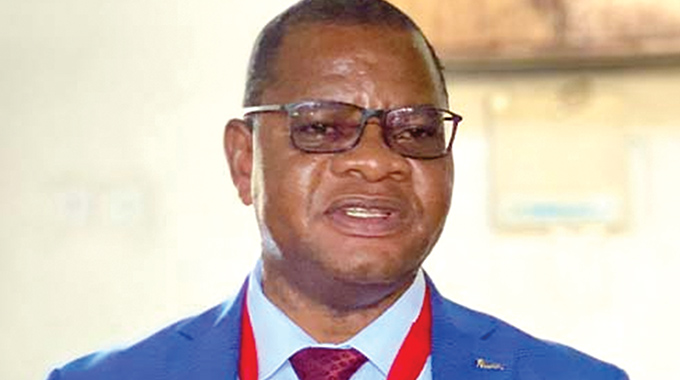
Obert Chifamba and Ashton Mutyavaviri
THE Government is pulling out all stops to ensure the country achieves a US$1 billion fish industry by 2030 with eight breeding sites and 460 fish ponds having already been established countrywide to guarantee the availability of enough fingerlings to meet the anticipated high demand the project will trigger.
Lands, Agriculture, Fisheries, Water and Rural Development permanent secretary Professor Obert Jiri yesterday said the country had set up eight breeding sites at places that included Henderson Research Station in Mazowe, Murehwa, Bubi, Makoholi and Matopos to name some of them.
“You will also appreciate the fact that we have established fish ponds or weirs at 460 irrigation schemes across the country that will also be used as breeding sites for fingerlings that will be distributed throughout the country as seed for the programme. We also have highly trained personnel to run the programme and also train others to make sure it is done professionally and profitably,” said Prof Jiri.
He added that every time teams from his ministry established village business units, they also set up fish ponds in all of the country’s 35 000 villages, which would be stocked with fingerlings that would also be later used in stocking of big dams across the country. The move would also contribute to the achievement of the national agenda to replace imports with locally produced products through improved food and nutritional security, employment creation and improved incomes.
The Government’s initiative also aims to capitalise on the country’s abundant water resources and favourable climatic conditions for aquaculture.
Essentially, Prof Jiri’s remarks come at a time the Government is moving to ensure that all sectors of the economy, agriculture included, continue to contribute effectively to the gross domestic product (GDP), creating jobs and incomes as the country moves towards attaining Vision 2030 of an upper middle income economy.
In 2017, the Government launched the Command Fisheries Programme and supplied fingerlings to a number of dams across the country with the Zimbabwe Parks and Wildlife Management Authority (Zimparks) indicating that if all dams were fully utilised for fish production, the fisheries industry could support in excess of 1,2 million people at the primary production level. The Command Fisheries Programme was designed to contribute towards the provision of food, promote good health among citizens through improved diets while alleviating poverty at the same time.
The country’s dams have the capacity to produce at least 1,5 tonnes of fish per year if they fully utilised, which can produce meaningful revenue for citizens involved both directly and indirectly in the industry.
The Government, through the Ministry of Lands, Agriculture, Fisheries, Water and Rural Development has also been working with the European Union-funded Zimbabwe Agriculture Knowledge and Innovation Services (ZAKIS) and local firm Profeeds to train agricultural extension officers on competitive fish farming practices. The extension officers are expected to impart their knowledge to farmers who will be taking part in the fish farming project to ensure they meet targets and contribute to the economy of the country.



 Online Reporter