Online Reporter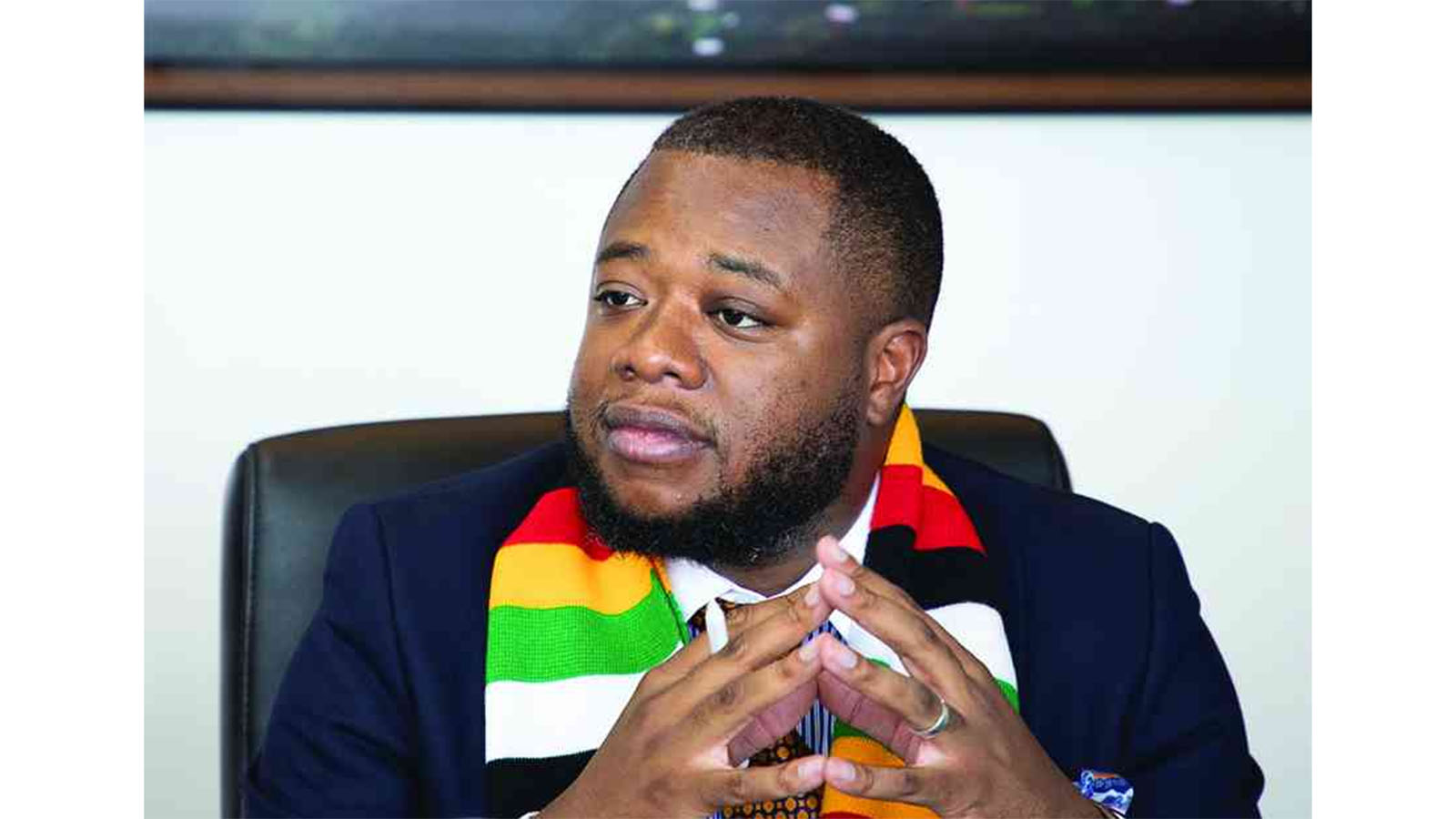
Farirai Machivenyika-Senior Reporter
GOVERNMENT will leverage infrastructure it has already funded to raise additional capital for the construction of new development initiatives, Finance, Economic Development and Investment Promotion Deputy Minister David Mnangagwa has said.
This approach, known as asset recycling, involves unlocking value from existing infrastructure by partnering investors who take over the operation of completed projects.
In return, the Government channels the freed-up capital into new projects such as roads, dams and energy facilities.
Deputy Minister Mnangagwa made the remarks in the National Assembly while responding to issues raised by legislators during debate on the Mid-Term Budget Review statement presented last month by Finance Minister Professor Mthuli Ncube.
He said the Government had deliberately prioritised local companies in the construction of major infrastructure projects to empower them and demonstrate their capacity to deliver.
“As a matter of fact, the main thrust of our economic strategy is to have a private sector–led economy. At the advent of the Second Republic, it was important to capacitate our local contractors and prove that it is possible for a Zimbabwean company to construct a road or build a dam,” he said.
The deputy minister said all roads being rehabilitated or constructed in Zimbabwe are being carried out by local companies. “Government put its best foot forward in terms of economic, ideological and psychological thrust to show that you do not need a foreign company to come in. That does not necessarily mean that Government should continue funding roads.
“What we are now doing to allow Treasury not to spend short-term money for long-term projects is to assign a lot of these Government projects, prescribed asset status. A lot of these projects are economically viable. We are going through asset recycling and we are in talks with Africa50 to raise financing through the Harare-Beitbridge Road. They will take over a portion of it and that will unlock new funding for something else.”
It is envisaged that under the proposed arrangement, Africa50 would assume responsibility for operating and maintaining a section of the Harare–Beitbridge Road, most likely through a concession or public-private partnership.
In exchange, Africa50 would provide Government with an upfront payment or structured financing based on projected revenues from the road — for example, from toll fees. This payment would then be reinvested by Government into other infrastructure projects, such as dam construction, energy plants or new roads.
Essentially, Government uses an already completed asset to unlock capital for fresh projects, while investors recoup their money through long-term revenue streams.
Africa50, an investment platform established by African governments and the African Development Bank, was created to help bridge Africa’s infrastructure funding gap by facilitating project development, mobilising public and private sector finance and investing directly in projects.
It targets medium to large-scale ventures that deliver both strong development impact and competitive returns for investors.
Across the continent, several countries have turned to asset recycling and PPP models to bridge their infrastructure funding gaps.
In Kenya, sections of the Nairobi Expressway were financed and are being operated under a PPP model by a Chinese investor, with toll revenues used to repay the investment while freeing up state funds for other projects.
In South Africa, asset recycling has been applied in the energy sector, with state utility Eskom leasing some of its transmission infrastructure to private operators to raise fresh capital for new investments.
Meanwhile, in Nigeria, the Lekki–Epe Expressway in Lagos was developed under a concession agreement where a private investor built, operated and maintained the road in exchange for toll revenues.
Turning to the country’s growth outlook, Deputy Minister Mnangagwa defended Zimbabwe’s six percent economic growth projection, saying it was credible and had been validated by international institutions.
“The six percent growth figure and projection, while the IMF went to other jurisdictions to revise downwards, they actually concurred and acknowledged the six percent growth for Zimbabwe,” he said.
“These reports are public knowledge.
“The IMF has confirmed and corroborated our growth projections, and that they are achievable.
“There is no motivation to fudge these numbers and to lie to ourselves as a nation.”