Online Reporter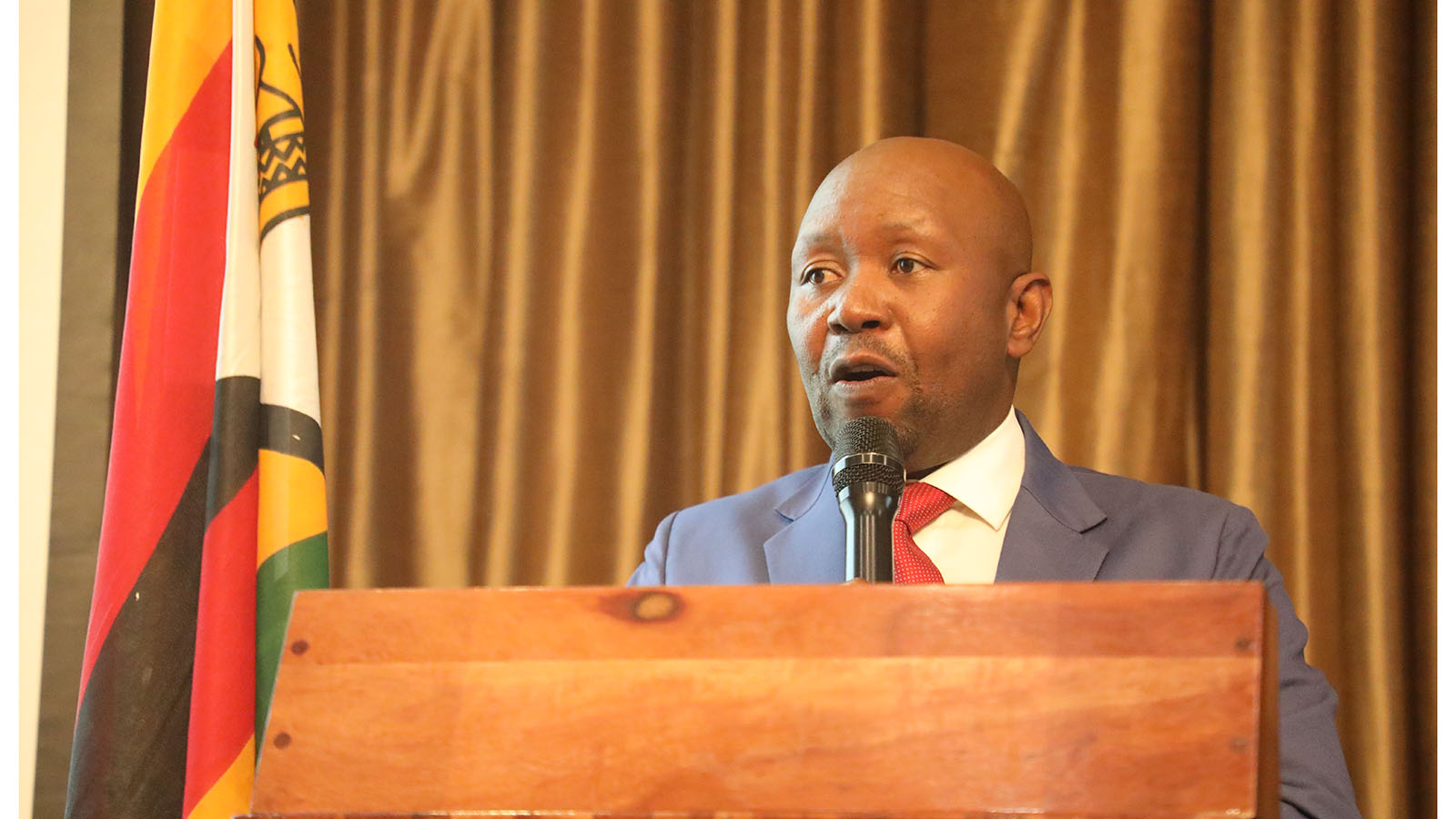
Rumbidzayi Zinyuke-Senior Health Reporter
ZIMBABWE is streamlining health sector financing to cushion itself against dwindling donor support and guarantee sustainability of critical services, with Government accelerating plans to establish a National Health Insurance (NHI) scheme that will provide broader and more predictable coverage for citizens.
The NHI is designed as a pooled financing mechanism where contributions from workers, employers and Government are combined into a central fund to finance healthcare services.
Speaking at a Health Sector Working Group (HSWG) meeting in Harare on Wednesday, Permanent Secretary for Health and Child Care Dr Aspect Maunganidze said while international partners had played a crucial role in sustaining health delivery, the abrupt withdrawal of US government support earlier this year exposed the need to strengthen domestic financing.
“The withdrawal of US government support came as a shock, but it reminded us that we need to rely more on local resources,” he said.
“Treasury has already introduced sin taxes, such as the sugar tax and fast-food tax, to mobilise funds for critical sectors like health.
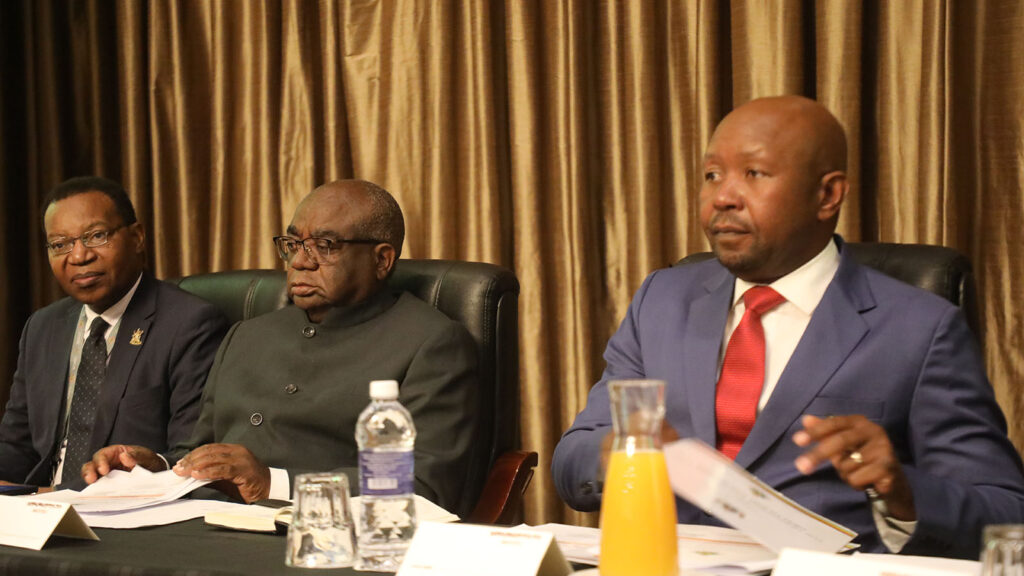
Ministry of Health and Child Care Permanent Secretary Dr Aspect Maunganidze (right), Chief Director Public Health, Dr Wenceslaus Nyamayaro (centre) and Health and Child Care Curative Services chief director Dr Maxwell Hove follow proceedings during health produdct supply chain management dialogue in Harare yesterday. – Picture Memory Mangombe.
“We also have the Health Levy and the AIDS Levy, which have proven successful in the past.”
The sugar tax, introduced in 2024, imposes a levy of US$0,02 per gramme of added sugar in beverages, while the fast-food tax adds a 5 percent surcharge on meals sold by fast-food outlets.
Both measures are expected to raise millions annually while also encouraging healthier diets.
Dr Maunganidze said health should be viewed not as an expense, but as an investment in productivity and national resilience.
He said Treasury’s consistent commitment was essential and pointed to the accelerated development of the NHI, whose draft Bill and benefit package are already under discussion, as a key step towards sustainability.
The HSWG, chaired by the Health Secretary, serves as the Ministry’s main co-ordination platform, bringing together Government, development partners, UN agencies, civil society and the private sector.
It reviews progress across 10 technical working groups – including financing, health workforce and family health – and feeds into the Ministry’s Development Forum before going to Cabinet.
One of the key issues tabled at Wednesday’s meeting was the 2023-24 Zimbabwe Demographic and Health Survey (ZDHS).
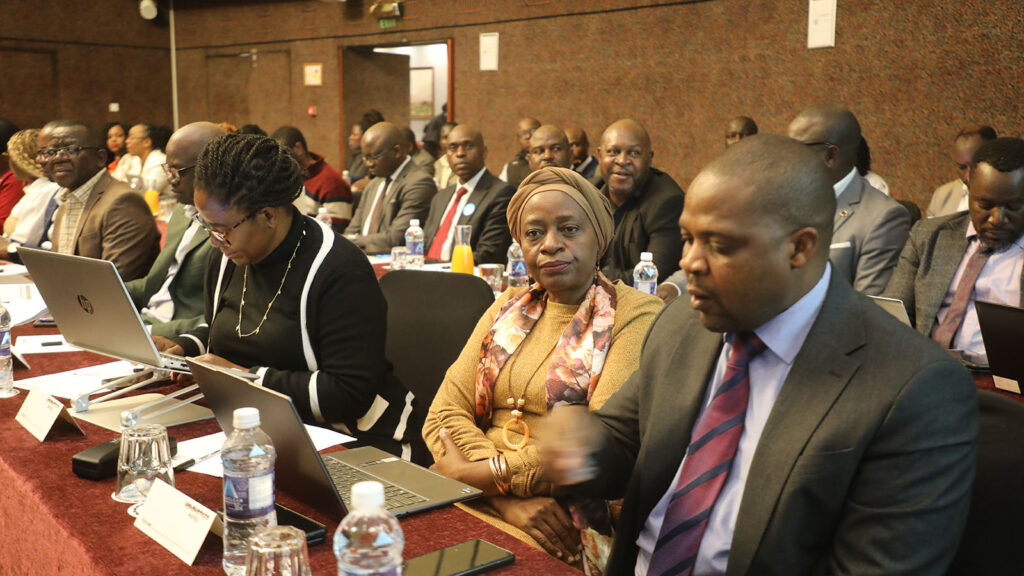
Stakeholders follow proceedings during health produdct supply chain management dialogue in Harare yesterday. – Picture Memory Mangombe
The survey revealed major gains, with maternal mortality declining from 651 deaths per 100 000 live births in 2015 to 212 in 2024, while life expectancy rose from 61 years to 64,4, with women averaging 68 years.
However, neonatal mortality increased to 37 deaths per 1 000 live births – the highest level recorded to date.
Dr Maunganidze called for renewed investment in perinatal and neonatal care, stronger referral systems and better continuity of care from pregnancy through the postnatal period.
WHO coordinator for strategic health policy and planning in Zimbabwe, Dr Najibullah Safi, reaffirmed UN support, saying development partners remained active members of the technical working groups and were committed to identifying solutions for Zimbabwe’s health challenges.
“Zimbabwe is doing a great job in improving life expectancy and reducing maternal mortality, as shown in the DHS results, but as the Permanent Secretary noted, there is more work to do in addressing neonatal mortality and ensuring further reductions across maternal and child health,” he said.
Civil society also raised concerns over resource gaps in rural communities.
Mrs Vuyelwa Sidile-Chitimbire, executive director of the Zimbabwe Association of Church-Related Hospitals (ZACH), said her network of facilities, which provide nearly 70 percent of rural healthcare, continued to face critical shortages of skilled staff and equipment.