admin
adminNgoni Masoka , Agriculture, Mechanisation and Irrigation Development Minister Joseph Made, recently said Government was committed to promoting the participation of smallholder farmers in the production of fresh produce.
“The Government Medium Term Plan 2011-12 recognises the importance of horticultural production to export generation capacity and employment creation.
“In this regard Government will facilitate the training of new horticulture farmers who need to meet certification requirements and processes that enable them to participate in the export market,” said Minister Made.
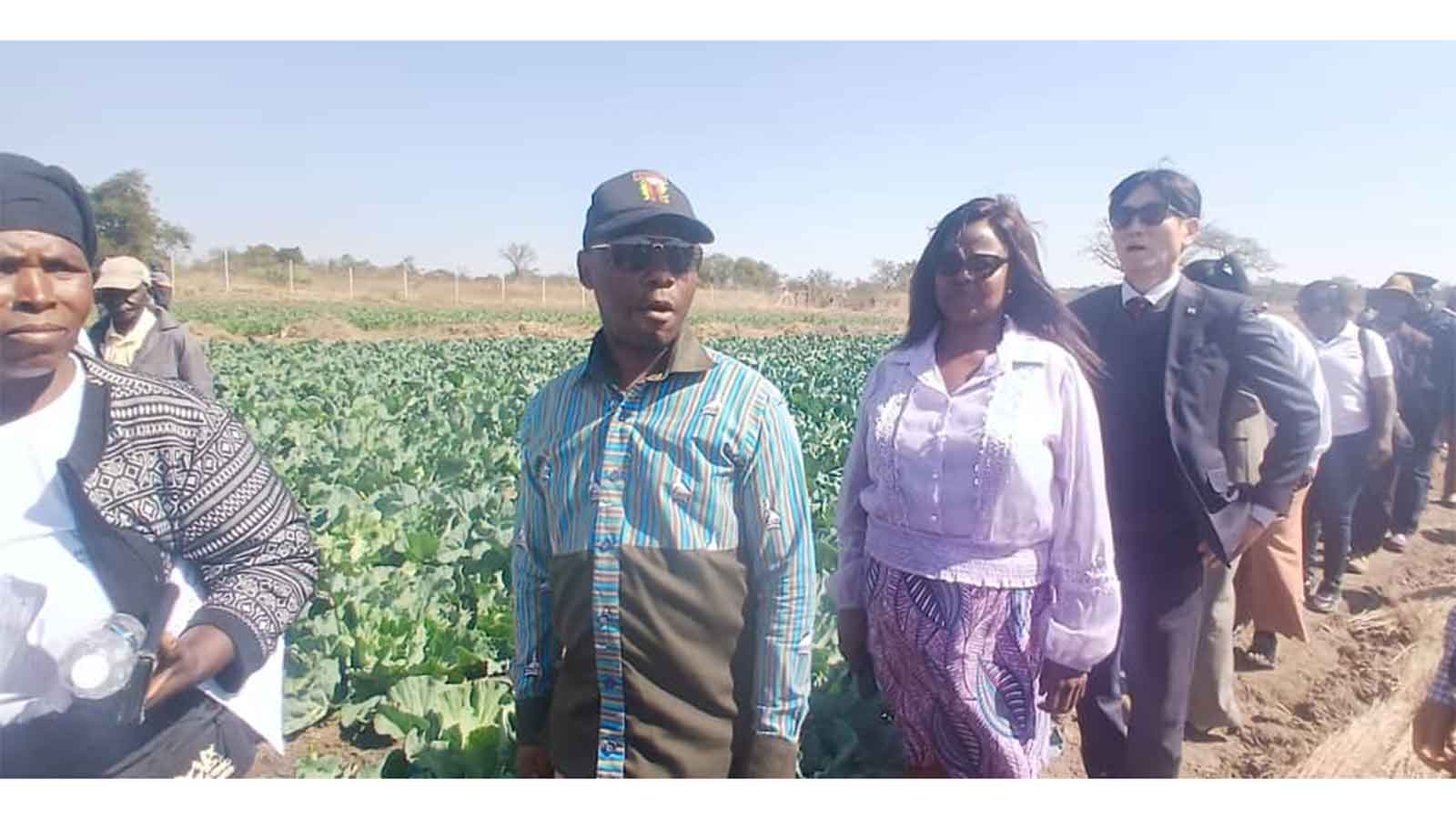
He was addressing delegates attending a field day held at the Prime Seed Research Station and Nursery at Gletwyn Farm in Harare recently.
The occasion also drew delegates from Switzerland, Kenya and South Africa, among others.
Minister Made described horticulture as a major foreign currency earner after tobacco and cotton accounting for approximately 4,5 percent of the national Gross Domestic Product.
“The agricultural sector ranks as one of the largest employers employing approximately 500 000 people with horticulture accounting for 15 percent of the figure.
“The major horticultural crops grown in Zimbabwe include tomatoes, onion, cabbage, kales, baby corn, mange tout peas, pepper, cauliflower and broccoli, which we have seen on our field tour today,” he said.
Tea, coffee, citrus, bananas and flowers, he said, had been some of the country’s major export crops in the past.
Minister Made said a lot of research and work had been done on horticulture production with various Horticulture Research Institutes across the country.
“Nyanga Research Institute has the mandate to conduct research on potatoes and deciduous fruits, Chipinge Coffee Research Institute does coffee and tea while
Marondera Horticulture Research Institute does brassicas and solanaceous crops among others.
“Private companies like Prime Seed Group and institutions like ART Farm are also involved in horticulture research work. More, however, still needs to be done to develop new varieties better adapted to the local climatic conditions and breeding for pest and disease tolerance in horticulture,” said Minister Made.
He also revealed that Zimbabwe used to export close to 20 000 tonnes of horticultural produce in the 1990s and had grown to export over 80 000 tonnes by 2001.
Despite experiencing a 56 percent drop in export volumes afterwards, the industry had started showing signs of recovery as of 2007 to the present, said Minister Made.
“The country has the capacity to export close to 200 000 tonnes of horticultural produce annually with major exports including mange tout peas, sugar snap peas, runner beans, baby corn, sweet corn, broccoli and courgettes.
“Passion fruit, plums, mangoes, nectarines and raspberries have also been identified as export winners and are being exported in increasing volumes,” he commented.
Minister Made also challenged Government to come up with a horticultural crop development authority to spearhead the development of the horticultural sector like Kenya has done.
In an interview on the sidelines of the field day, Prime Seed managing director, Mr Willie Ranby, challenged farmers to visit the Prime Seed Research Station and Nursery on any day for assistance and not just wait for field days.
“We are here 365 days a year and farmers should take advantage of that to come and seek technical assistance to improve their yields,” he said.


 Online Reporter