Online Reporter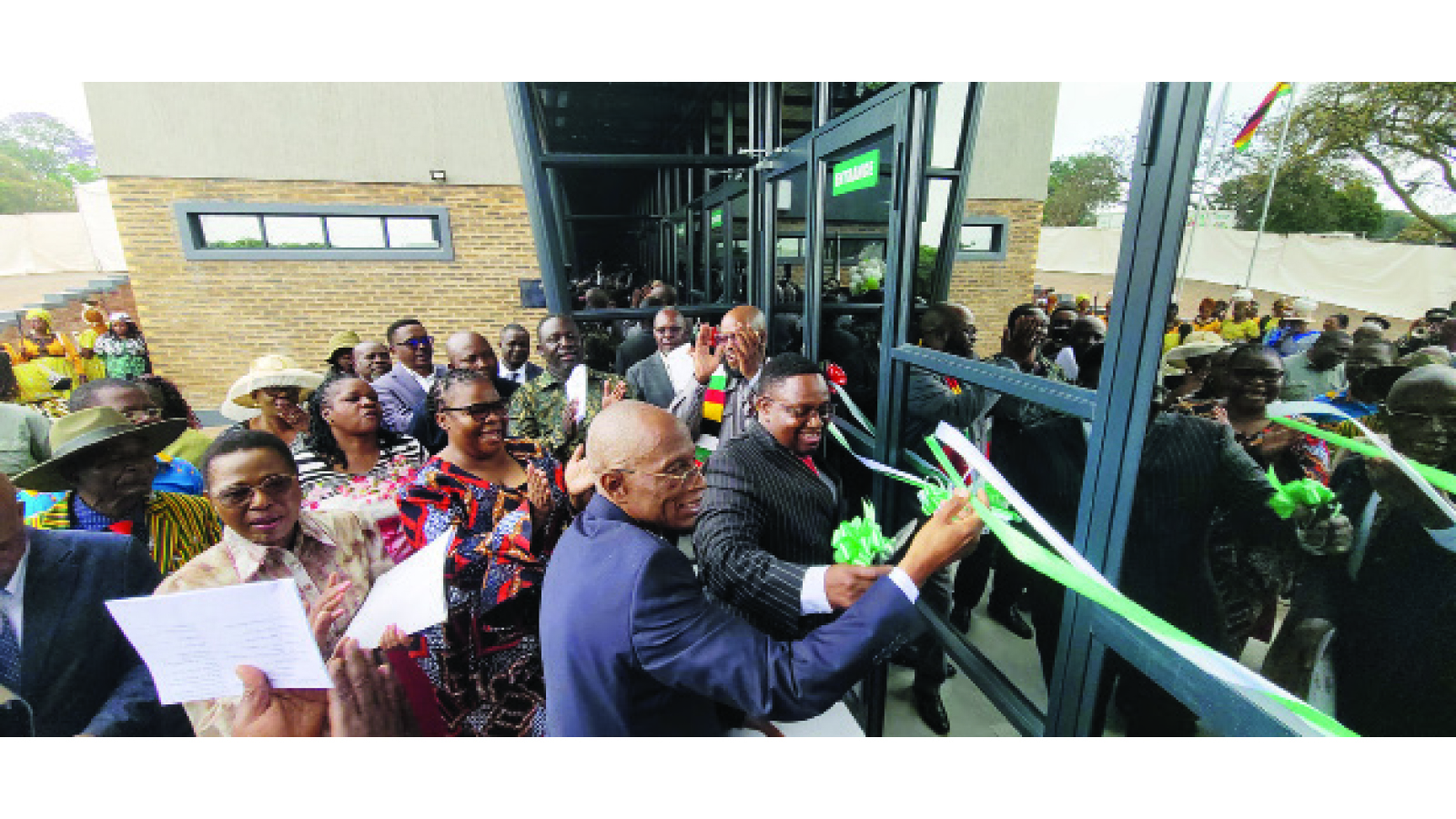
Tendai Gukutikwa-Mutare Bureau
In a bid to fortify digital identity systems and enhance access to vital civil documents, the Government yesterday commissioned the state-of-the-art Mutare Provincial Registry Office, thereby expanding the e-passport and modernised systems to Manicaland.
Home Affairs and Cultural Heritage Minister Kazembe Kazembe officiated at the ceremony, hailing the initiative as a pivotal milestone in the country’s digital transformation journey and stating that the move was not just about bricks and mortar but aligning the country’s civil registry with global digital standards.
“This is a milestone in our journey towards modernising public service delivery as the registry office will ensure that every citizen’s records are properly documented and safeguarded, thereby strengthening national security and improving economic planning. It represents our dedication to making a tangible difference in the lives of Zimbabweans,” said Minister Kazembe.
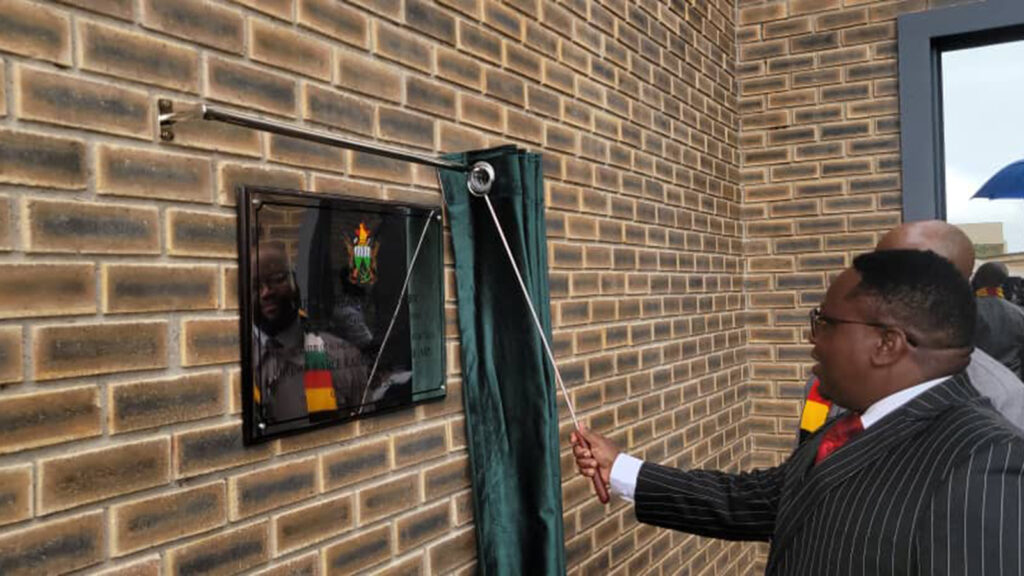
He noted that the construction of the new provincial registry office was in direct response to President Mnangagwa’s call for improved governance and service delivery under Vision 2030, emphasising that this momentous occasion marks yet another significant milestone in the journey towards infrastructure development and modernisation of public service delivery in Zimbabwe as they rally behind President Mnangagwa’s clarion call for a prosperous and empowered upper-middle-income society by 2030 and beyond.
The minister explained that the decentralisation of e-passport services was a tangible expression of the Second Republic’s mantra of leaving no one and no place behind, ensuring that provinces outside Harare have access to modern, secure and globally recognised travel documents.
Minister Kazembe also stressed that civil registration is a constitutional right and cornerstone of modern governance, asserting, “Zimbabwe is a signatory to several international conventions on children’s rights and we are obligated to ensure that every individual is granted legal identity. Without civil documents, one cannot go to school, access health services or travel.
“This building connects our people to all those rights and opportunities.”
He added that the launch of e-passport services in Mutare reflects the country’s compliance with international aviation and migration protocols, noting, “As a nation, we are bound by International Civil Aviation Organisation standards which require secure, machine-readable travel documents.
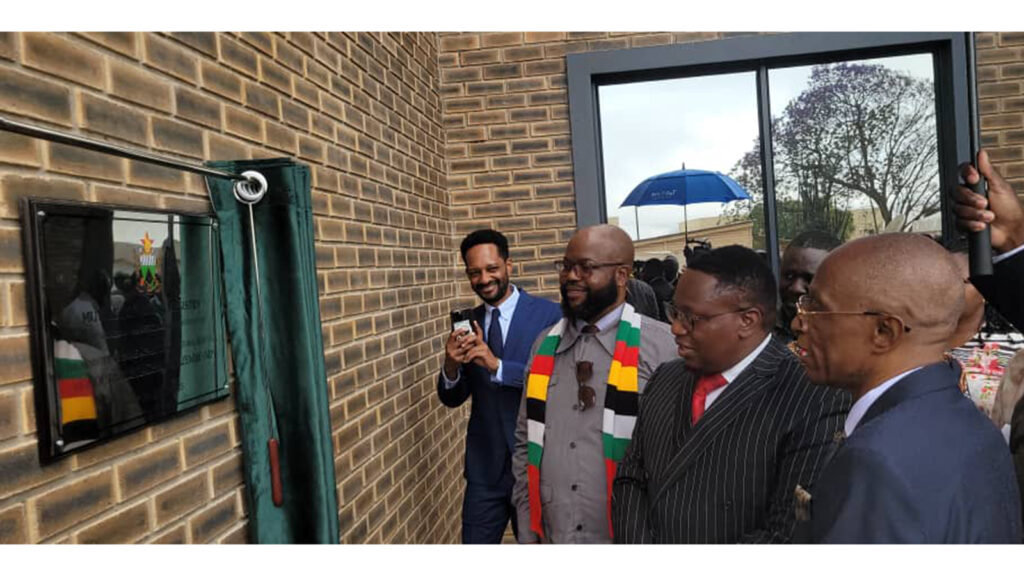
“The introduction of e-passports was our direct response to these standards, and I am proud to announce that our passports are not only secure but globally recognised. This will combat fraud and illegal migration while making international travel seamless for our citizens.”
The minister also revealed that the Government is expanding registry services beyond the country’s borders, with a passport office already established in Johannesburg and plans underway to commission another in the United Kingdom, followed by further expansion to Canada, Australia and Botswana.
“Our President directed us to take services to the people, even beyond our borders, so that our citizens everywhere remain connected to their country,” he said.
He emphasised that the new facility is about building a future where digital identity and efficient governance go hand-in-hand, stating, “Civil registration is not just about issuing certificates; it is about good governance, protecting human rights and fostering an inclusive society. As we move towards Vision 2030, our goal is to leave no one and no place behind. This building is proof of that commitment.”
Registrar General Mr Henry Machiri mentioned that the Mutare facility is part of a broader digitalisation programme aimed at anchoring the country towards a robust national identity system.
“The Civil Registry Department is responsible for registering births, deaths, national IDs, citizenship, marriages and travel documents. These functions remain pivotal to unlocking legal identity.
“Looking to the future, we are leveraging digital technology to decentralise further and bring services closer to the people. This will not only improve access but also enhance the ease of doing business in Zimbabwe,” he said.
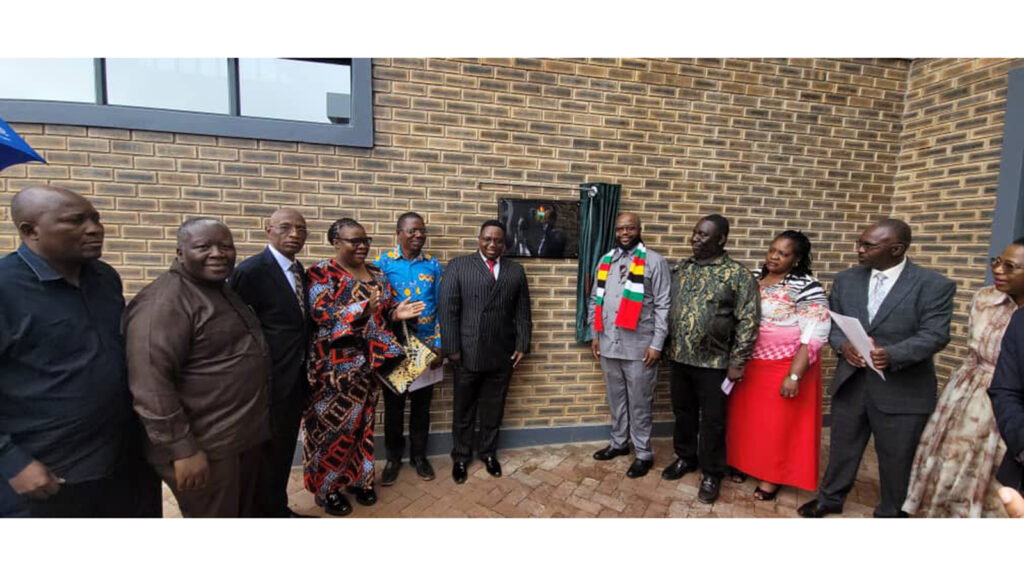
Mr Machiri pointed out that the previous Mutare provincial office was housed in a dilapidated wooden structure that posed risks to both people and vital civil records, adding that the new building is a beacon of progress and proof of the Government’s commitment to strengthening civil registration systems.
Minister of State for Manicaland Provincial Affairs and Devolution, Advocate Misheck Mugadza, described the new registry building as a powerful symbol of Zimbabwe’s transformation under the Second Republic.
“For over a decade, the provincial registry operated from temporary wooden structures, but today we witness the dawn of a new chapter.
“This project guarantees that every Zimbabwean enjoys their constitutional right to secure documents without hassles, bringing seamless convenience to the people of Manicaland.
“It is also an expression of our devolution agenda, empowering provinces to be the drivers of their own development,” said Minister Mugadza, who added that the introduction of e-passports in Mutare has seen a surge in demand from citizens who previously travelled to Harare, Marondera or Chipinge to apply for travel documents.
“This attests to the Government’s desire to make lives easier and services more affordable for everyone,” Minister Mugadza concluded.
The Mutare Provincial Registry Office, powered by a 40kva solar plant to guarantee uninterrupted services, took two years to complete and is expected to serve thousands of citizens per month.