Online Reporter
Lonster Mutata
Herald Correspondent
GOVERNMENT has rolled out a comprehensive six-point strategy to safeguard national food security and cushion farmers against a forecast drier-than-normal 2026/2027 summer season, with the Summer Cropping Plan now approved by Cabinet and implementation set to begin immediately.
The strategy, anchored on strengthening the Strategic Grain Reserve, scaling up climate-smart agriculture, expanding agricultural financing, protecting livestock, facilitating strategic food imports where necessary, and reinforcing coordination and early warning systems, is designed to ensure Zimbabwe sustains agricultural production despite the El Niño threat.
Speaking last Friday during a wheat field visit at Ceres Farm in Shamva, Mashonaland Central, owned by Cde Nicholas Goche, Permanent Secretary for Agriculture, Mechanisation and Water Resources Development, Professor Obert Jiri said Government had shifted from reacting to climate shocks to planning, with preparedness now taking centre stage.
While seasonal forecasts point to below-normal rainfall, subject to confirmation by the Meteorological Services Department, Prof Jiri said Government was already activating interventions to minimise production losses and guarantee food availability.
Central to the strategy is the strengthening of the Strategic Grain Reserve, which remains the country’s first line of defence against food insecurity.
Prof Jiri urged farmers to maintain adequate grain stocks at the household level while delivering surplus produce to the Grain Marketing Board, which continues to offer competitive producer prices.
Millers and other players in the grain value chain have also been encouraged to maintain sufficient stocks to ensure uninterrupted processing throughout the season.
Climate-smart agriculture forms the second pillar of the strategy, with renewed emphasis on production based on agro-ecological regions.
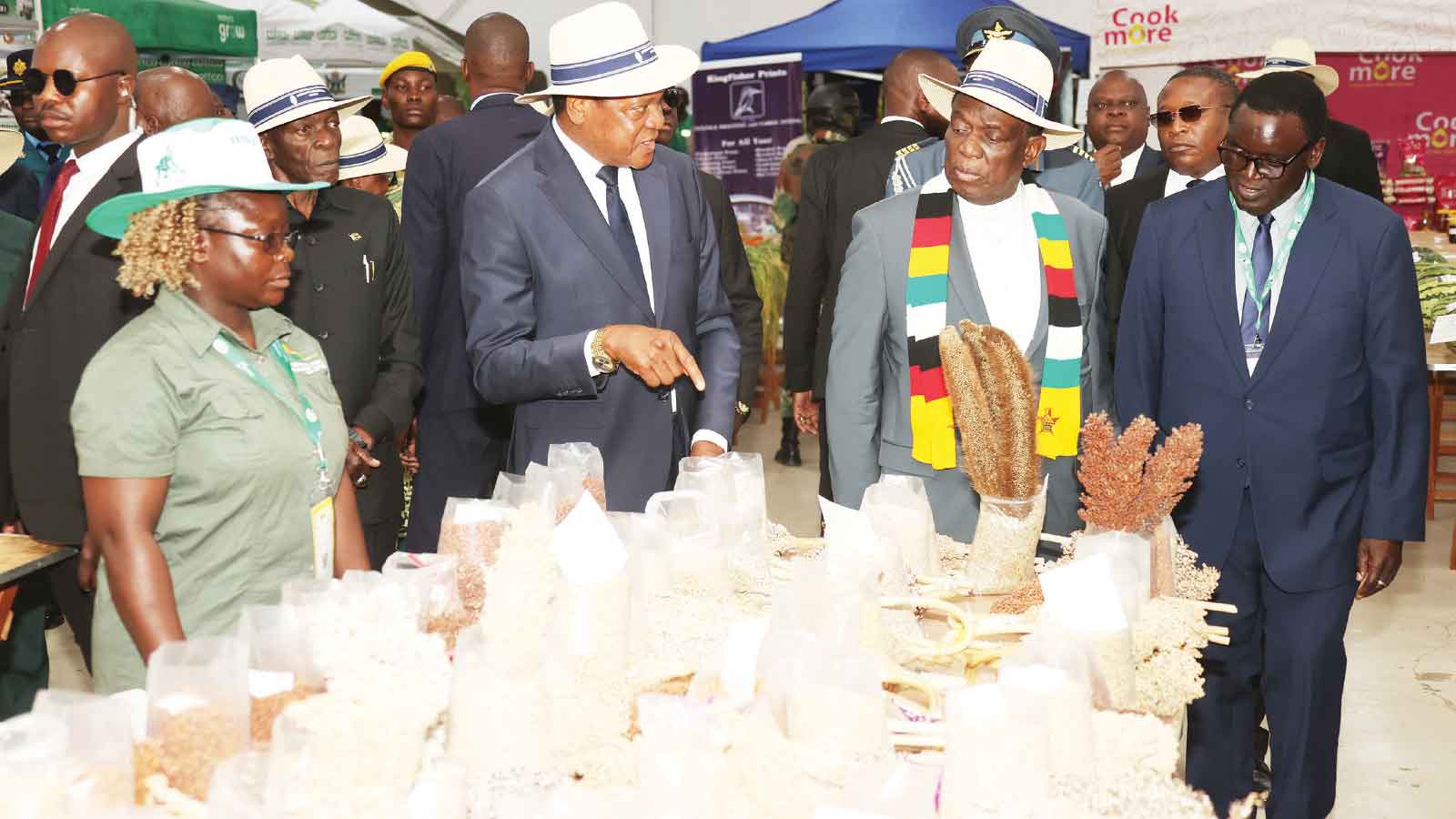
Farmers in the drier Regions IV and V are being encouraged to prioritise traditional grains, while producers across the country are being urged to adopt early- and medium-maturing seed varieties capable of performing under shorter rainfall seasons.
Government will also continue driving the Pfumvudza/Intwasa programme, whose conservation agriculture principles have become a cornerstone of Zimbabwe’s climate resilience agenda.
Recognising that timely financing often determines the success of agricultural seasons, Government is widening funding opportunities under the third intervention.
Farmers have been urged to secure production loans early through the Food Crop Contractors Association, banks participating under the National Enhanced Productivity Scheme and other agricultural financing institutions to ensure they are fully prepared before the onset of the rains.
Livestock protection has also emerged as a priority.
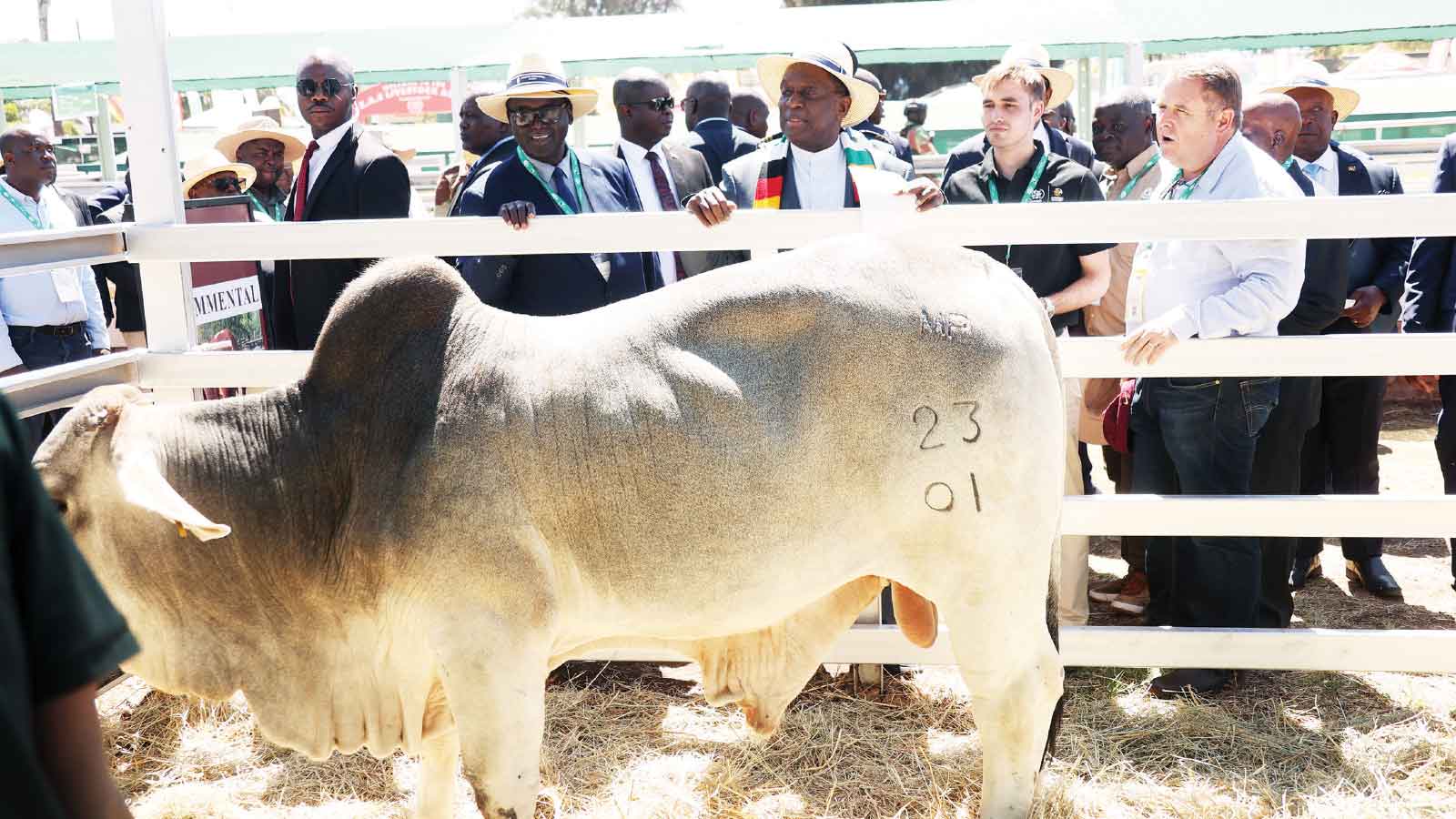
Government is calling on farmers to intensify dipping, vaccination, supplementary feeding and nutritional management programmes to shield the national herd from the anticipated effects of prolonged dry conditions.
The fifth intervention provides for strategic food and feed grain imports under Statutory Instrument 87 whenever necessary, although Prof Jiri stressed that imports would remain a contingency measure rather than a substitute for local production.
He challenged millers and stockfeed manufacturers to partner Government in accelerating irrigation development and fully utilising irrigable land, describing irrigation as the country’s most dependable insurance against rainfall variability.
Completing the strategy is a strengthened coordination and early warning framework that will integrate provincial, district and ward structures to ensure rapid information flow, timely planning and effective implementation of the Summer Cropping Plan.
The measures signal Government’s determination to stay ahead of climatic uncertainty by building resilience across the entire agricultural value chain, protecting both crop and livestock production while safeguarding national food security.
With Cabinet approval now secured, the focus shifts from planning to implementation as Zimbabwe positions itself to confront another potentially difficult agricultural season through early preparation, coordinated action and climate-smart production systems.