

 Online Reporter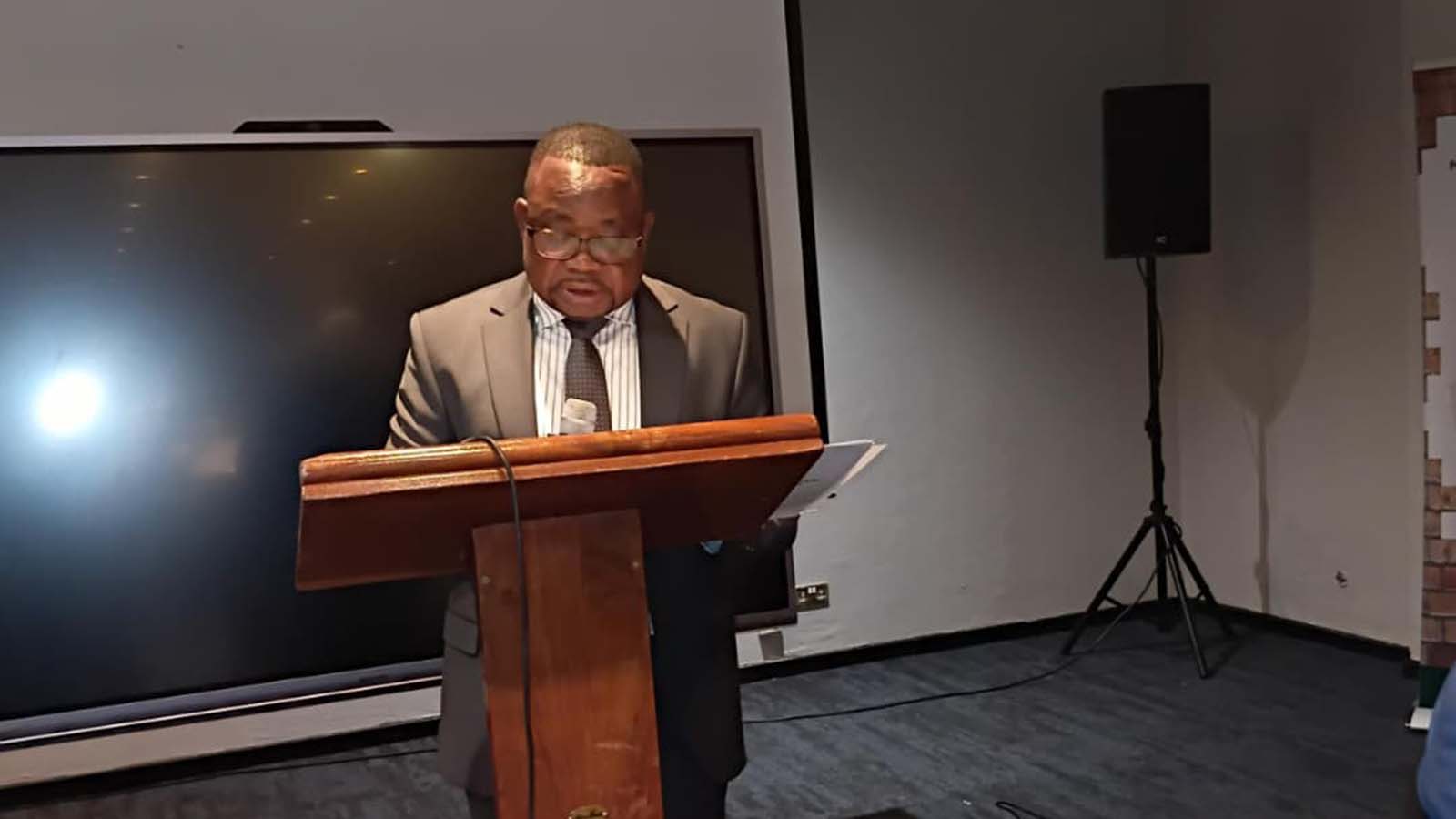
Trust Freddy
Herald Correspondent
GOVERNMENT has challenged private land developers, financial institutions and civil society organisations to forge strategic partnerships with the State to unlock land value and accelerate affordable housing delivery under National Development Strategy 2 (NDS2).
This comes as the country is targeting to deliver an additional one million housing units under National Development Strategy 2, building on gains recorded during the first phase of the country’s economic blueprint.
Addressing delegates at a high-level stakeholder breakfast meeting in Harare this morning, National Housing and Social Amenities Minister, Professor Paul Mavima said the Second Republic was ready to leverage state land allocations to de-risk and attract private sector investments to clear the national housing backlog.
He challenged captains of industry to bring their financial resources to the table to complement Government efforts.
“Government has land, and you, as our partners, have the financial resources, or at least the means to mobilise the same,” Prof Mavima said.
“Let’s find ways to combine these two resources, combine the skills, and add value to the land while bringing returns to yourselves.”
He also added that housing delivery requires deep-seated synergies rather than isolated efforts by individual institutions.
“We recognise that the Ministry cannot achieve these goals in isolation,” Minister Mavima said.
“Your expertise, resources, and innovative ideas are indispensable. Today (Thursday), we heard your expectations of the government, and equally, we shared our expectations of you as stakeholders. This mutual exchange will help us build trust, transparency, and accountability in our collective journey.”
The high-level engagement sought to align multi-sectoral operations with the targets set out under NDS2 (2026–2030) as the country drives towards Vision 2030.
Minister Mavima also revealed that under the new economic blueprint, housing must be treated as a fundamental driver of citizen dignity, security, and social stability rather than just basic shelter.
To achieve this, the ministry is pursuing a four-pronged mandate aimed at expanding access to decent housing for all income demographics, strengthening public-private partnerships, promoting innovative financing mechanisms alongside sustainable green building technologies, and ensuring that all housing delivery contributes to national economic empowerment.



