Online Reporter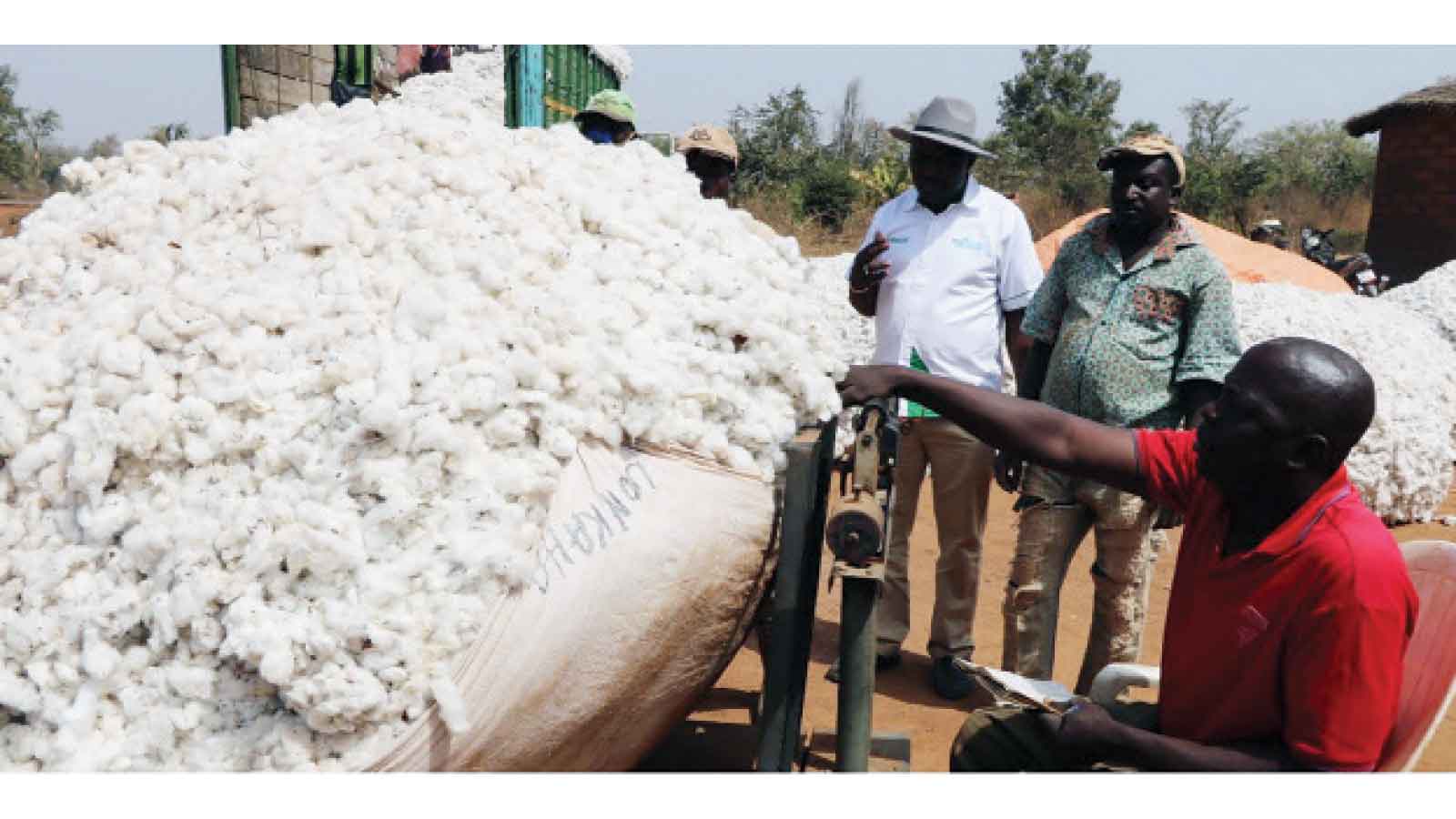
Obert Chifamba-Agri-Insight
THE Government’s recent resolution to slash levies across key agricultural sub-sectors is set to ignite a powerful surge in the country’s farming landscape.
By cutting costs and boosting profitability, this move will unleash fresh momentum — driving higher production, strengthening food security, and energising the entire agro-economy.
This levy rollback does not just lighten the financial load for farmers; it turbocharges investment, sparks innovation, and positions Zimbabwe as a stronger competitor in both regional and global markets. For rural communities, it promises a transformative ripple effect — improving livelihoods and securing sustainable growth.
Put simply, more cash stays where it matters most — in farmers’ pockets —slashing operational costs and creating fertile ground for expansion.
This game-changing policy shift will fuel enhanced output, lift incomes, and pave the way for millions of Zimbabweans to enjoy greater food security. The era of heavier levies is ending; the era of empowered agriculture is beginning.
Typically, the slashing of the agricultural levies or fees means that more farmers can now afford to start and keep a season going with very limited or even without any disruptions ranging to failure to paying the fees to struggling to secure inputs and essential services.
The move will also lower upfront compliance costs, while reducing the incentive to operate informally — so activity can shift back toward the formal value chain. It will also help lower fixed- and allow farmers to produce more.
It does not require rocket science for anyone to appreciate the fact that when licences or registration fees, levies at buying points, and other administrative charges are reduced, farmers and small agribusinesses can run with lower cash outlay before they even produce or sell. This has a direct effect on farm gate earnings (especially for crops like cotton).
Reducing the cotton buying point levy by 75 percent matters because cotton farmers earn money at buying points, which explains the subsequent higher net prices received per unit sold because deductions or charges at the point of sale are smaller.
One exciting observation is that better cash flows at peak buying periods can easily translate into more timely payment for labour, and enhanced farmers’ capacity to buy inputs for the next season.
The fisheries sector also benefited from the reduced levies following the scrapping of the harvest fees in a development that lowers the cost of harvesting and supplying fish. The removal of 15.5 percent VAT on fisheries products has a direct effect on consumption prices and incentives. It can reduce consumer prices or improve margins for sellers —either way it supports demand and activity.
Essentially, the higher demand generated by the move can pull more supply through the fisheries system through increased harvesting and processing.
And beyond the one-off cost relief that these reforms will bring, there is the added advantage they bring through improving policy predictability and reducing regulatory friction across crops, horticulture, fisheries and fertiliser.
Essentially, the long and short of this argument is that the slashing of levies will give birth to enhanced ease-of-doing-business while boosting investment at the same time.
The cotton sector, for instance, has reason to revel in this new development given that the cotton buying point levy was reduced by 75 percent, which will see farmers and producers recording less deductions or charges at buying points. This will inevitably improve net prices received for cotton.
In general, the slashing of levies comes as a blessing to most smallholder farmers, the bulk of whom are youths and women who incidentally do not have much in terms of financial resources. Most of them produce crops under contract arrangements because they do not have ready access to funding on their own.
The slashing of levies will open opportunities for that group of farmers who have potential, but lacked resources to participate in the production of high-value crops that require them to make significant financial injections for a start.
Reduced regulatory costs can mean cheaper supply chains for inputs and better market access for farm products (particularly where exporters’ and producers’ charges feed into farm gate economics.
On the one hand, the removal of import licencing requirements for agricultural equipment spares improve farmers’ access to spares for implements thereby reducing machinery downtime and improving productivity turnaround, which leads to more timely farming operations and better yields.
It is also worth noting that Government’s decision to indefinitely suspend VAT on agricultural inputs or equipment and produce comes across as a huge incentive for farmers to produce more and for various lucrative markets.
This helps lower upfront input costs for such basic requirements as mechanised implements and selected special inputs while indirectly supporting irrigation and scaling up production.
The other motivating fact is that producers can keep margins or lower prices (depending on market structure), while more reliable profitability can encourage investment in nets, storage, transport, and consistent harvesting schedules rather than harvesting less because costs are too high.
Waiving import licence requirements for agricultural equipment spare parts for farmers’ own use reduces bureaucratic friction and the time needed to get parts in. This will have a positive impact on production targets and deadlines given that there will be less “standstill time” when machinery or implements – tractors, pumps, irrigation components, or sprayers break will be grounded due to the non-availability of spares.
The ready availability of equipment means better adherence to planting, weeding, spraying, irrigation and harvesting calendars, which usually makes the difference between normal yields and yield loss.
One important observation is that the slashing of charges for fertiliser producers and horticulture exporters, on the other hand, is not always a benefit that reaches farmers immediately — but it can filter through supply chains. What this means is that when fertiliser producers face lower compliance or operating charges, there is a huge potential for more stable supplies and less pricing pressure.
Exporters facing lower regulatory charges can operate more efficiently, which in turn can churn better returns to farmers supplying raw materials or produce, especially where contract arrangements are in place.
Such an eventuality helps to lower incidences of uncertainty among farmers and encourages agribusinesses to invest in productivity (better seeds, inputs, storage, mechanisation, irrigation) — because they can plan costs and timelines with fewer surprises.
The removal of the levies will also allow smoother operations during peak periods with such things as labour scheduling becoming more effective especially with equipment being readily available when needed.
After all is said and done, the reduction of the levies can easily translate into benefits for all sub-sectors of the agriculture industry, for example, maize, cotton and tobacco. Farmers and those in production pipeline will benefit immensely with the economy also emerging as one of the biggest winners here.



 Bongani Ndlovu